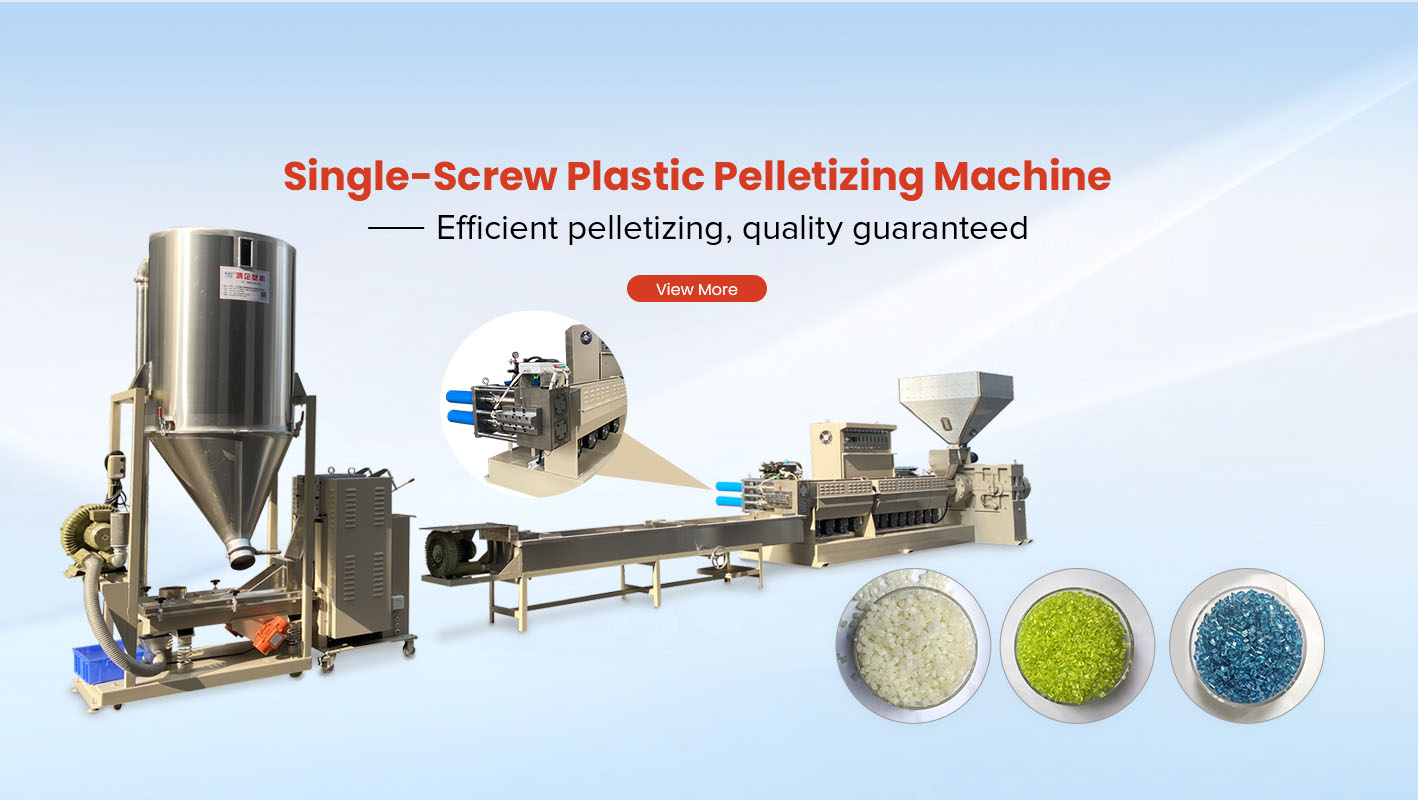
In plastic processing plants, color mixing efficiency directly affects output stability, color consistency, material loss, and overall production cost. Inefficient mixing leads to common problems such as uneven coloration, longer cycle times, excessive masterbatch consumption, frequent downstream adjustments, and repeated rework. Improving efficiency does not rely on a single adjustment. It requires systematic optimization of equipment selection, material handling, dosing control, operating parameters, and workflow coordination.
This article explains how to increase the efficiency of your plastic color mixing process from a practical production perspective, focusing on actions that can be implemented on the shop floor. All recommendations are based on typical operating conditions for plastic color mixers. Equipment reference is provided through the HONGQI plastic color mixer machine, which is designed for stable batch mixing and industrial-scale operation.
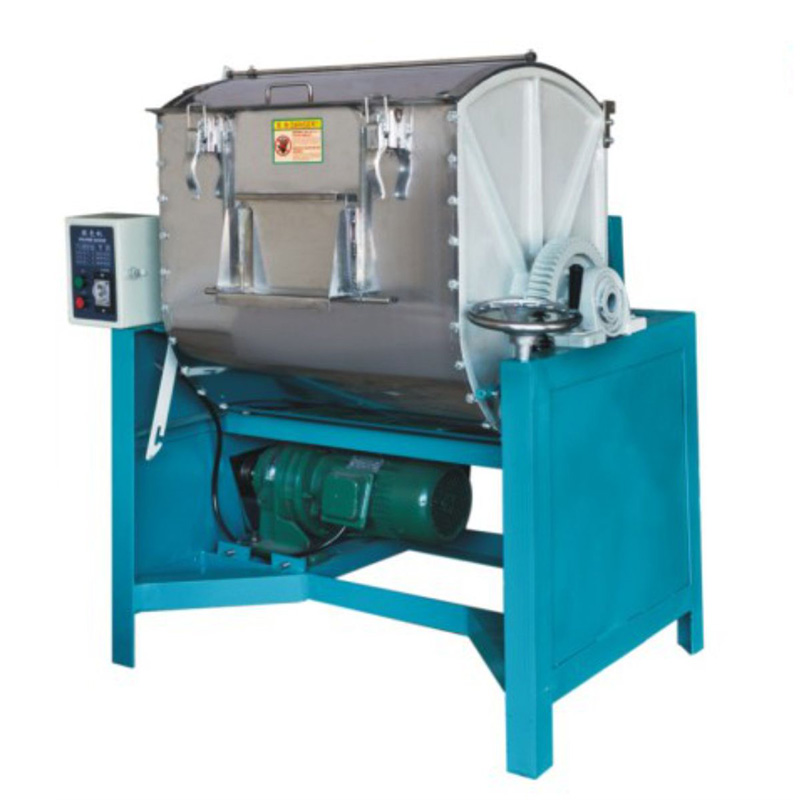
Select the right mixer structure for your material and batch size
The structural design of a color mixer has a direct impact on mixing efficiency. Using an unsuitable mixer often forces operators to compensate with longer mixing times, repeated batches, or manual intervention.
Horizontal color mixers are typically more suitable when:
Batch sizes are medium to large
Materials are pellet-based or mixed with regrind
High mixing uniformity is required within a fixed cycle time
Production prefers predictable, repeatable batch output
vertical color mixers are often chosen when:
Floor space is limited
Batch sizes are smaller or more frequent
Material flow relies on vertical circulation
The mixer is positioned close to feeding points
Efficiency improves when the mixer capacity closely matches the downstream machine consumption rate. Oversized mixers running partial loads reduce effective mixing dynamics. Undersized mixers increase handling frequency and idle time. Aligning mixer batch size with one extrusion or molding feeding cycle minimizes waiting time and unnecessary stops.
Control material condition before mixing to reduce mixing time
Material condition determines how quickly uniform mixing can be achieved. Poorly prepared material cannot be corrected by extending mixing time alone.
Key material conditions that affect efficiency:
Moisture content
Wet pellets or regrind cause clumping and uneven color distribution. Pre-drying or proper storage significantly shortens mixing cycles.
Particle size consistency
Large size differences between pellets and regrind increase separation risk. Consistent regrind size improves mixing behavior.
Excessive fines
Fines absorb color differently and tend to accumulate locally. Removing fines before mixing improves uniformity and reduces over-mixing.
Static buildup
Static causes pellets and masterbatch to cling to surfaces instead of dispersing evenly. Proper grounding and clean internal surfaces help maintain stable mixing.
When materials enter the mixer in a stable and predictable condition, uniform color can be achieved faster and with less mechanical energy.
Optimize dosing accuracy to avoid repeated mixing cycles
Inaccurate dosing is one of the main causes of low mixing efficiency. When masterbatch or additives are not added consistently, operators often extend mixing time or re-run batches to correct visible color variation.
Efficiency-oriented dosing practices include:
Using fixed batch weights rather than visual estimation
Keeping masterbatch ratios consistent across shifts
Adding masterbatch after base resin begins circulating in the mixer
Pre-mixing low-percentage additives with a portion of base material before full loading
Limiting regrind percentage variation between batches
Accurate dosing allows the mixer to perform its function within a predictable time window. This reduces the need for extended cycles and prevents unnecessary masterbatch consumption.
Set practical mixing time and speed based on material behavior
Mixing efficiency does not increase linearly with time. Once uniformity is reached, additional mixing only increases energy use and wear without improving quality.
Recommended practices:
Establish a standard mixing time range for each material recipe
Use visual checks or sample comparison during initial setup to define the minimum effective time
Avoid using a single default mixing time for all materials
Keep rotation speed consistent once validated for a specific mixer model
HONGQI color mixers commonly allow adjustable time control, enabling operators to stop the cycle once uniformity is achieved rather than running extended fixed programs. This flexibility improves throughput without compromising consistency.
Reduce color changeover losses through structured cleaning procedures
Color changeover efficiency strongly affects overall mixing productivity, especially in plants with multiple SKUs or short production runs.
Ways to improve changeover efficiency:
Sequence production from light colors to dark colors whenever possible
Use controlled purge batches rather than full disassembly
Standardize cleaning steps and tools for all operators
Avoid excessive additive buildup that increases cleaning difficulty
Schedule deep cleaning based on batch count or operating hours
A clear and repeatable cleaning routine reduces downtime and minimizes the need for extra mixing cycles to correct contamination.
Prevent post-mixing separation during discharge and transfer
A batch that appears uniform inside the mixer can still separate during discharge, conveying, or temporary storage. This separation reduces effective mixing efficiency by creating downstream inconsistency.
To maintain uniformity after mixing:
Discharge the batch immediately after mixing completion
Avoid long free-fall drops that separate heavy and light fractions
Use consistent transfer paths and hopper geometry
Limit holding time in intermediate bins
Sample material at the beginning and end of discharge during validation
Efficient mixing includes not only blending but also preserving uniformity until the material enters the next processing stage.
Standardize operating procedures to stabilize long-term efficiency
Sustainable efficiency improvement comes from standardization rather than individual operator experience.
A practical color mixing procedure should define:
Material preparation requirements
Dosing tolerance ranges
Loading sequence
Mixing time window
Discharge method
Cleaning and changeover rules
Batch identification and record keeping
For operations handling bulk orders or multiple production lines, standardized procedures reduce variability and simplify training while maintaining consistent output quality.
How HONGQI supports efficient plastic color mixing operations
HONGQI focuses on developing plastic Auxiliary Equipment that supports stable industrial operation. Plastic Color Mixer Machines are designed with attention to structural balance, reliable drive systems, and practical operation controls. Multiple capacity options and mixer configurations allow users to match equipment to real production needs rather than forcing process adjustments to compensate for mismatched machinery.
Through consistent manufacturing control and practical service support, HONGQI helps processors build mixing steps that integrate smoothly with extrusion, pelletizing, and molding lines.
For product details and configuration options, refer to the HONGQI plastic color mixer machine.
Conclusion
Increasing the efficiency of a plastic color mixing process requires coordinated optimization of equipment selection, material preparation, dosing accuracy, operating parameters, and workflow discipline. When the mixer structure matches batch size, materials are conditioned correctly, and procedures are standardized, uniform mixing can be achieved in shorter cycles with less energy and lower scrap. A stable and efficient mixing process improves downstream performance and supports consistent, scalable production.