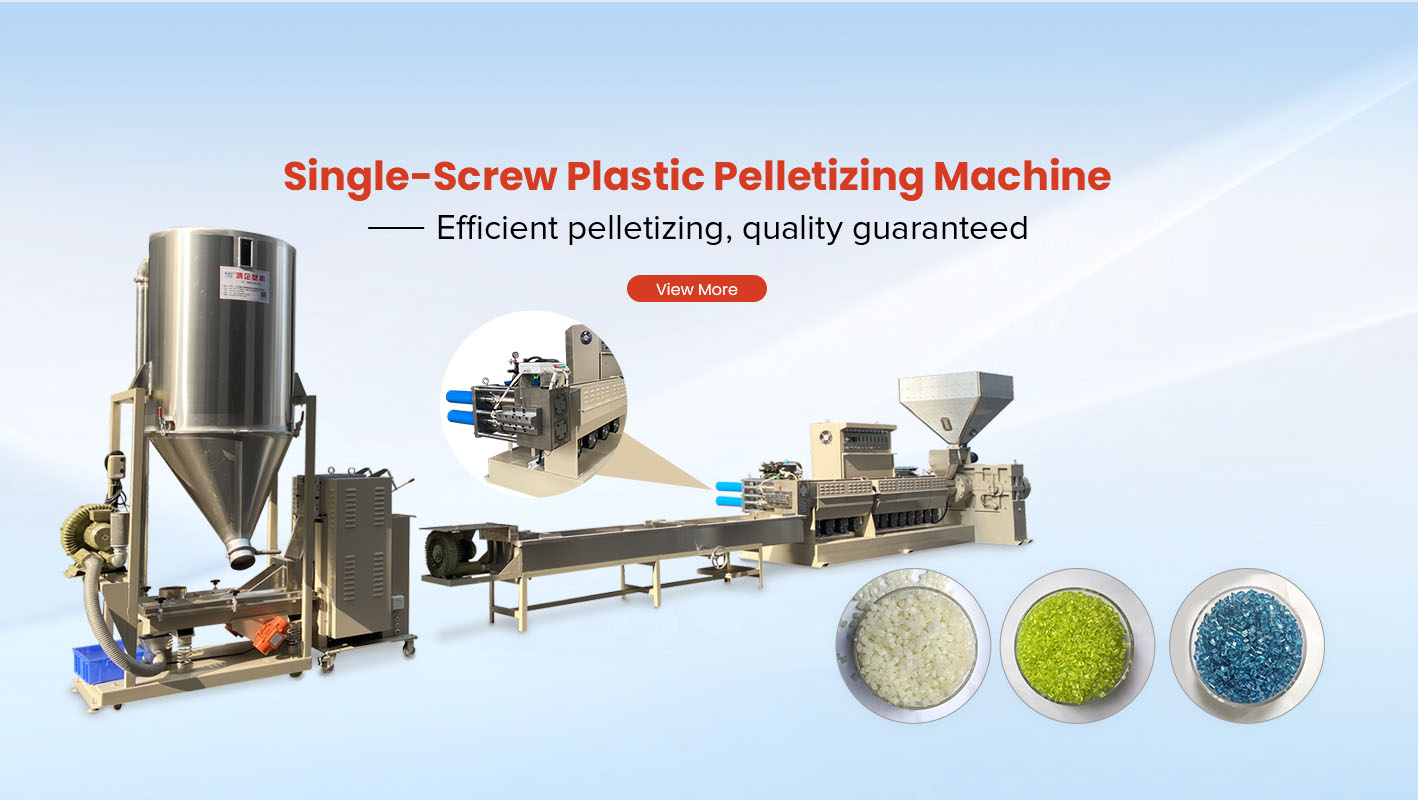
Yes, a single screw extruder can pelletize mixed plastic waste, but success depends on what mixed means in your feedstock and how the line is configured. In real recycling plants, mixed waste typically carries two challenges at the same time: polymer variation and contamination variation. A single screw system can handle many mixed streams, especially when one polymer family dominates, the material is size-controlled, and the process includes stable feeding, melt filtration, and (when needed) vacuum devolatilization.
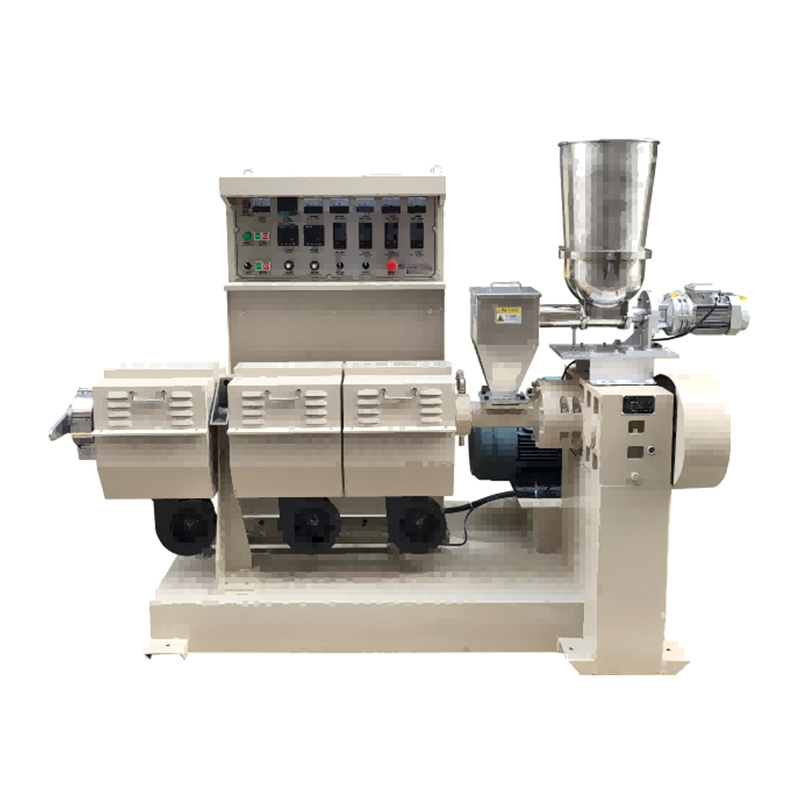
HONGQI designs single screw pelletizing lines for continuous recycling operation and stable output. See the equipment details on our Single Screw Plastic Pelletizing Extrusion Machine page.
What Mixed Plastic Waste Usually Includes
Mixed plastic waste can describe very different inputs. Before you evaluate an extruder, define your stream in practical terms:
Same-family mixes: different grades or colors of PE, or different grades of PP
Commingled polyolefins: PE and PP together in one stream
Multi-polymer mixes: PE/PP mixed with PET, PA, ABS, PC, plus labels, paper, metal fines, sand, and moisture
Single screw pelletizing is most predictable when the stream is polyolefin-dominant and the variation is mainly grade, color, and light contamination. As multi-polymer content increases, the melting window narrows and the filtration load rises, which reduces uptime and increases pellet variability.
When A Single Screw Extruder Works Well
A single screw extruder is a strong fit when the line can keep the melt stable from feeder to die. In practice, it works well under these conditions:
One polymer family dominates, typically PE or PP, and the incoming mix does not swing drastically batch to batch
The material is washed or at least controlled for dust, paper fiber, and mineral dirt that drive screen clogging
Moisture is managed so the melt does not foam and pressure does not fluctuate
Melt filtration capacity matches real contamination, not ideal lab samples
In these cases, single screw extrusion provides steady melting and pumping, which directly supports uniform pellet cutting and consistent throughput. The output is commonly positioned as commercial-grade recycled pellets for applications that accept a realistic property band.
The Main Limits You Must Plan Around
Mixed streams create four predictable risks that you should engineer around:
Melting window conflicts: low-melting fractions can degrade if you raise temperature to chase higher-melting contaminants, while high-melting contaminants can remain as gels if you protect the base polymer
Immiscibility: some polymers do not form a uniform phase, so mechanical properties can swing with small composition changes
Moisture and volatiles: residual water, detergents, and inks can generate bubbles, odor, and unstable pelletizing
Contamination load: labels, paper, aluminum flakes, and sand accelerate screen clogging and cause frequent stops if filtration is undersized
These issues do not automatically disqualify a single screw extruder. They mainly determine whether your project needs tighter pre-sorting, stronger filtration, better drying, and venting capability.
How To Make Mixed-Waste Pelletizing Stable
Start by writing a simple feedstock definition: dominant polymer, estimated composition range, particle form, moisture condition, and contamination type. Then build the process around three control points.
First, stabilize feeding. Film-heavy mixes often need densification or controlled feeding to prevent bridging and surging. Rigid regrind needs consistent granulation size to avoid throughput swings.
Second, stabilize the melt. Use temperature profiling aligned to the dominant polymer, then tune screw design and back pressure so melting is complete without excessive shear. If the stream carries inks, detergents, or higher moisture, vacuum venting helps remove volatiles and reduces foaming.
Third, treat filtration as an uptime tool, not only a quality tool. Choose screen area and change strategy based on the contamination you actually see in production. Stable melt pressure before the die is one of the best indicators that the line is running correctly.
Quick Decision Table
| Feedstock Type | Single Screw Feasibility | Main Focus |
|---|
| Washed PE film with minor PP | High | Feeding stability, filtration |
| Mixed PP and PE rigid regrind | High | Pressure stability, filtration |
| Printed packaging stream | Medium | Venting, filtration, odor control |
| PE/PP with frequent PET pieces | Medium | Pre-sorting, screen load |
| Highly commingled multi-polymer mix | Low to Medium | Output spec, tighter sorting |
For a project buyer evaluating a bulk order line, this table helps prioritize where improvements pay back fastest. Upstream sorting and moisture control often increase stable output more than simply increasing motor power.
Conclusion
A single screw extruder can handle mixed plastic waste for pelletizing when the stream is within a controllable melting window and the line is configured for stable feeding, realistic melt filtration, and appropriate venting. The most reliable results come from polyolefin-dominant mixes with controlled moisture and contamination, plus a pellet specification that matches the nature of the feedstock.
If you want to verify feasibility for your specific material, send your waste type, approximate composition range, moisture condition, and a few photos or sample notes. HONGQI can recommend a practical single screw pelletizing configuration and operating guidance to help you reach stable production and consistent pellets.