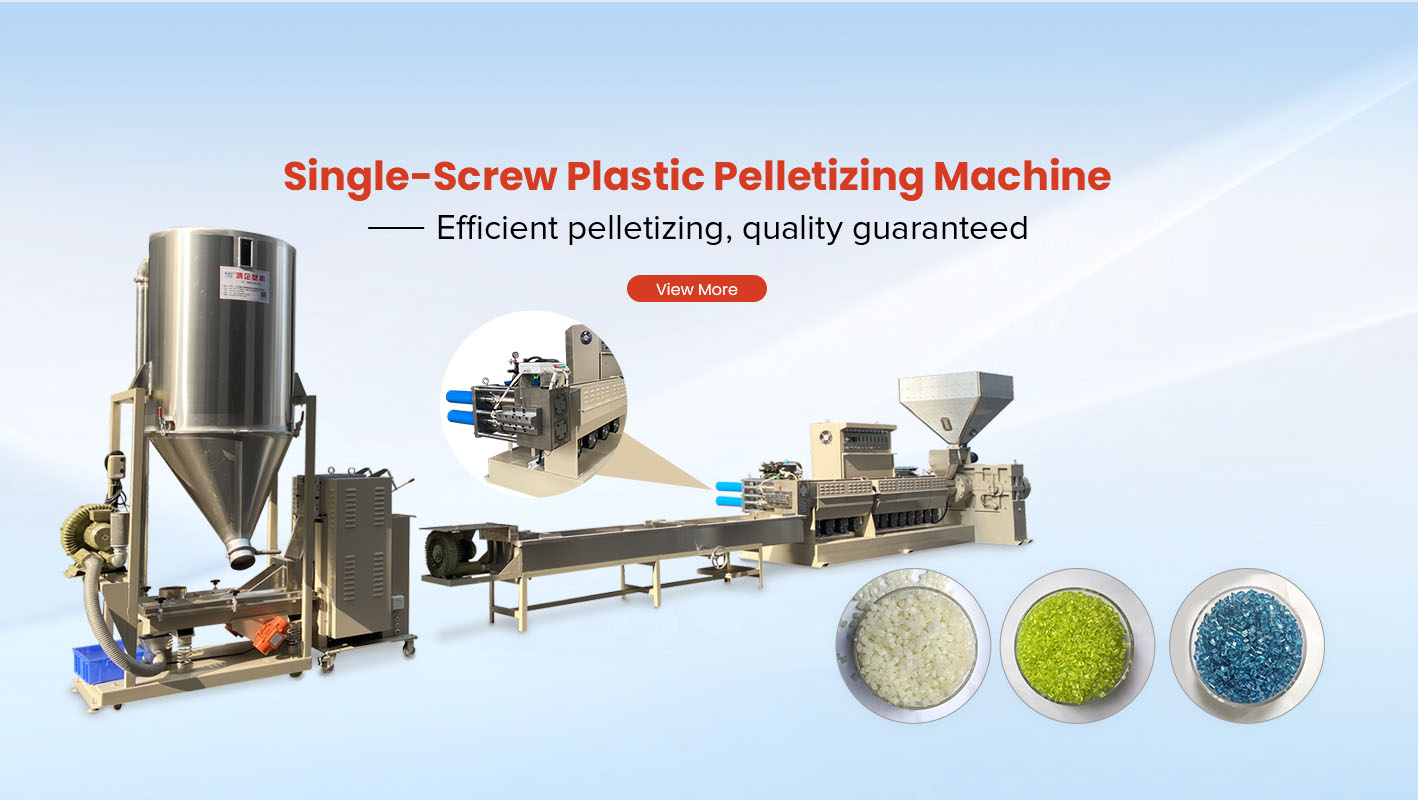
A single screw pelletizing machine combines high torque rotation, high barrel and die temperatures, pressurized molten polymer, and fast-moving pelletizing equipment. Most injuries happen during non-routine moments such as startup checks, screen changes, die cleaning, jam clearing, and maintenance, when guards are opened and people work close to moving or hot parts. Safe operation is not only about caution. It is about using consistent procedures that control energy, heat, pressure, and access every time.
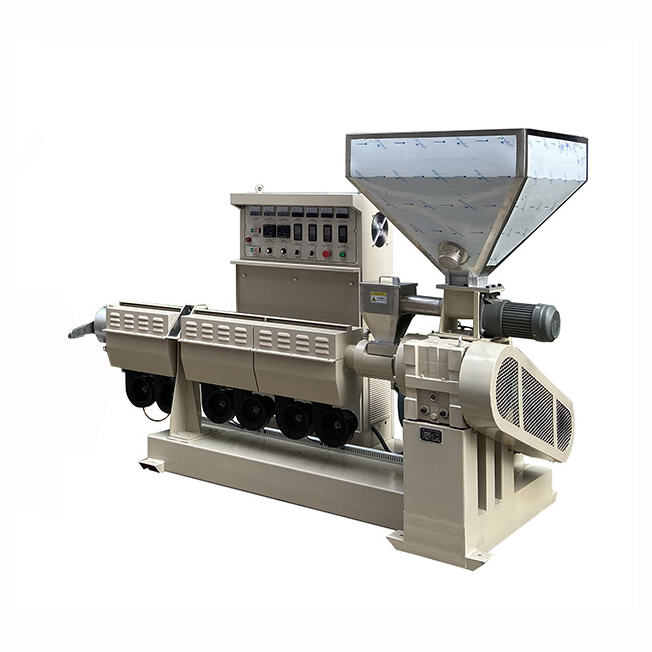
HONGQI manufactures single screw pelletizing systems for stable recycling and continuous pellet production. You can review the machine structure and typical line configuration here: Single Screw Plastic Pelletizing Extrusion Machine.
Recognize The Core Hazards On The Line
Start by separating hazards into clear categories so the team reacts correctly under pressure. Mechanical hazards include rotating shafts, couplings, gearboxes, pullers, and pelletizer cutters. Thermal hazards include heaters, barrel zones, the die head, and hot polymer that can burn skin instantly. Pressure hazards concentrate around the screen changer and die, where partial blockage can raise pressure quickly and cause leakage or sudden release. Electrical hazards exist in heater circuits, drives, and control cabinets, especially during troubleshooting. Water systems used for cooling or pellet handling add slip risks and require extra attention around electrical components.
Follow Lockout/Tagout And Verify Zero Energy
Lockout/tagout is the most important rule for maintenance and jam clearing. Isolate the extruder drive, pelletizer motor, feeders, conveyors, and any hydraulic or pneumatic power used for screen changing. Do not rely on stop buttons alone. After lockout, verify zero energy by confirming no rotation, no cutter motion, and no stored pressure. If heaters must remain hot for process reasons, the procedure should clearly define a safe boundary and tools, and no one should reach into hazard zones.
Control Heat And Molten Polymer Exposure
Hot surfaces are everywhere on a pelletizing line. Mark hot zones, maintain insulation where appropriate, and keep tools ready for hot work. When a melt leak appears, treat it as both a quality issue and a safety risk. Reduce output in a controlled way, stabilize pressure, and follow the planned shutdown or service steps. During die cleaning and purging, use a face shield and heat-resistant gloves, keep your body position out of the potential ejection path, and never improvise with unsafe tools. Good thermal discipline prevents burns and reduces unplanned downtime.
Manage Screen Change And Pressure Events Safely
Screen changes are high-risk because operators work near hot, pressurized melt. Monitor melt pressure trends and plan changes before alarms. Follow the screen changer procedure step-by-step, confirm seals and bolts, and inspect for leakage after the change before returning to full rate. If pressure rises rapidly, do not force throughput. Identify the restriction, reduce feed, and stabilize the melt. A stable pressure profile protects both equipment and people.
Keep Guards, Interlocks, And Safe Access Practices
Guards and interlocks exist because reaction time is slower than machine energy. Do not bypass interlocks to keep output running. If a guard must be opened for inspection, the machine should be in a verified safe state with motion impossible. For pelletizers and pullers, treat the cutting and roller zone as a no-hand area while running. Use strand guiding tools rather than fingers, and clear jams only after the rotor has fully stopped and energy is locked out.
Practical Checklist For Daily Operation
| Task | Main Risk | Safe Practice |
|---|
| Startup | Wrong sequence, unexpected motion | Check guards, E-stops, downstream readiness, gradual heat-up |
| Normal Running | Burns, rotating parts | Keep distance, monitor temperature and pressure trends |
| Screen Change | High pressure, leakage | Plan early, follow procedure, verify sealing, recheck pressure |
| Jam Clearing | Cutter injury, stored energy | Stop correctly, lock out, confirm zero motion |
| Cleaning | Slips, hot purge | Use PPE, keep floors dry, handle purge with tools |
Conclusion
Safe operation of a single screw pelletizing machine comes from controlling four things every day: energy isolation, hot-surface discipline, pressure-aware screen change practice, and guarded access to rotating and cutting equipment. When these controls are standardized, operators face fewer abnormal events, and the line runs more consistently.
If you are installing a new pelletizing line or updating operating procedures, share your material type, line layout, and typical maintenance tasks. HONGQI can provide practical operating guidance and configuration suggestions to help your team run safely and keep pellet output stable.