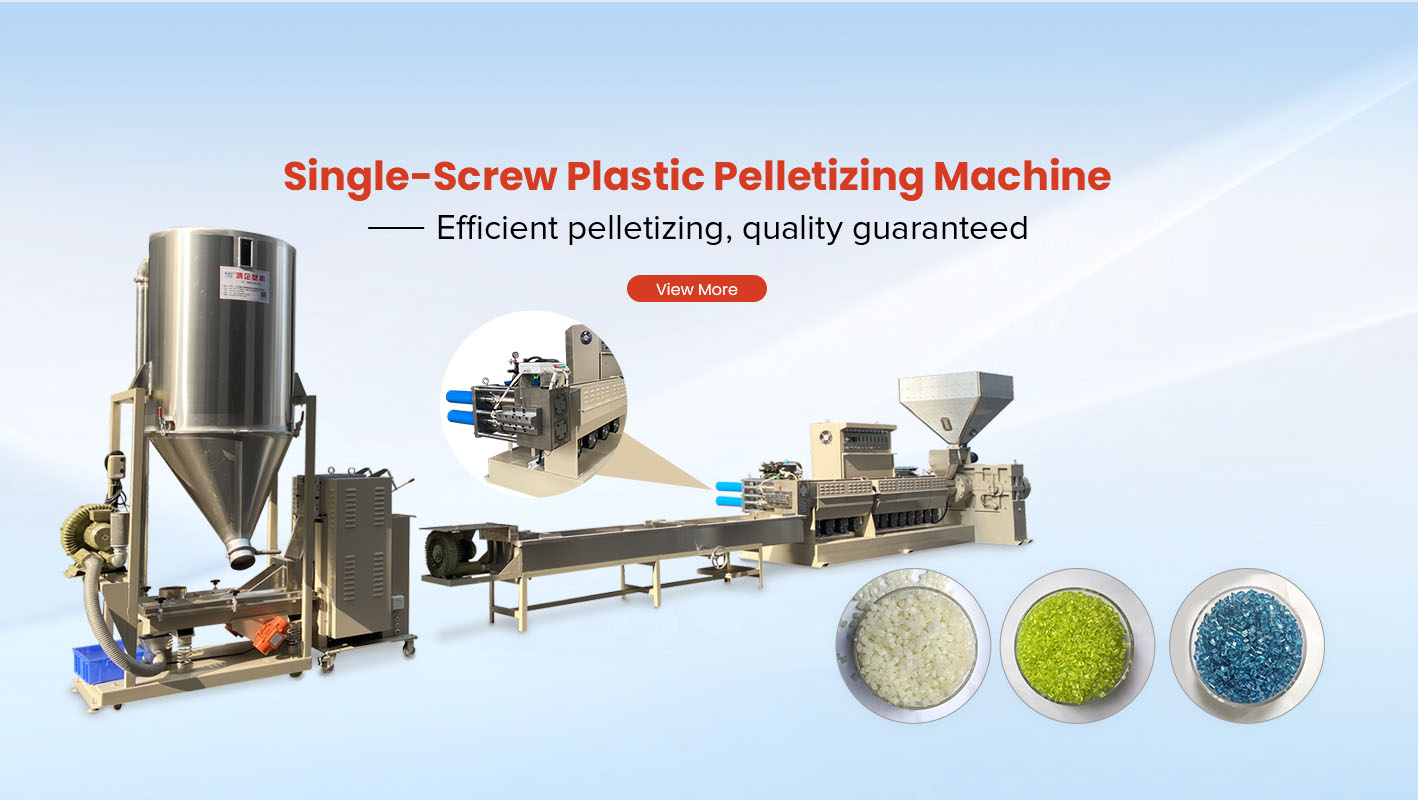
Plastic color consistency is one of the fastest ways customers judge product quality, and one of the easiest places for small factories to lose money through scrap, rework, and long changeovers. A Plastic Color Mixer Machine is often a practical upgrade for small plastic factories because it improves the uniformity of resin and masterbatch blending before extrusion, injection molding, or pelletizing. The key is choosing a mixer that matches your material form, batch size, and daily operating rhythm, instead of buying the biggest unit available.
HONGQI supplies mixers designed for production-friendly operation and stable mixing results. You can review the product here: Plastic Color Mixer Machine.
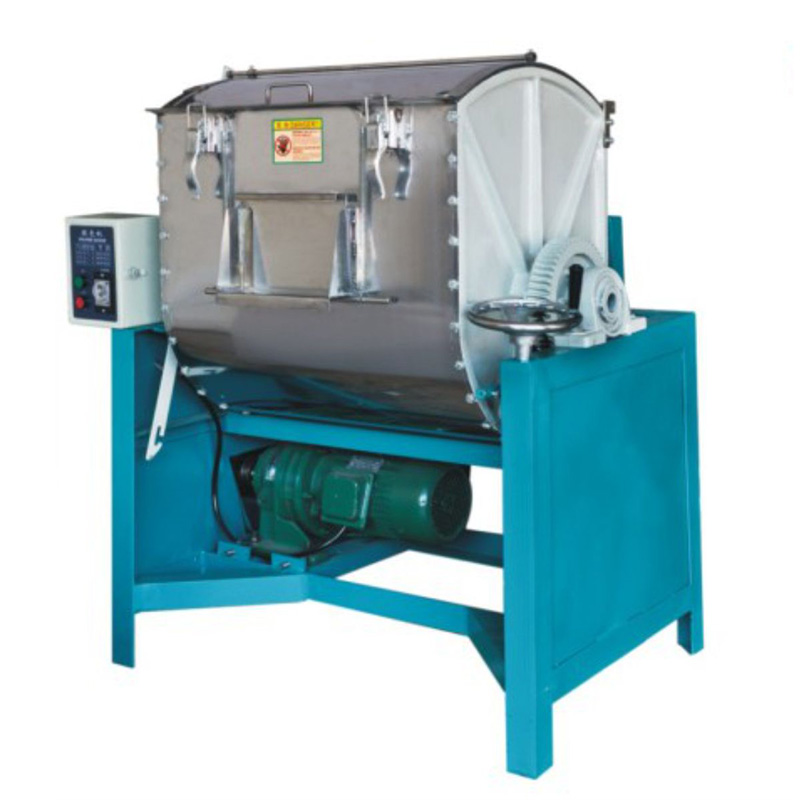
A plastic color mixer machine blends base resin with color masterbatch, additives, and sometimes regrind, so the feed going into downstream equipment is more consistent. For small factories, the value is not only better color. A well-matched mixer also reduces visible streaking, stabilizes feeding behavior, and helps operators reach target shade faster after start-up or color change.
HONGQI mixers are designed to handle common material forms such as granules, flakes, and powders, and can be used with typical resins including PP, PE, PVC, and more. :contentReference[oaicite:0]{index=0}
Why Small Factories Often Benefit More Than Large Plants
Small factories usually run shorter batches, more colors, and more frequent material switches. That combination increases the chance of uneven dispersion and raises the cost of every adjustment. A mixer supports small operations in three direct ways.
First, it reduces start-up waste. If resin and masterbatch are pre-blended uniformly, the downstream machine reaches stable color faster, so fewer parts or pellets are rejected at the beginning of a run.
Second, it improves repeatability between shifts. Small teams often rely on operator experience, and a stable mixing step reduces the impact of minor handling differences.
Third, it makes recycled or variable-tone regrind easier to manage. When base tone varies, consistent mixing helps you control shade drift and reduce customer complaints.
When A Mixer Is Not The Right Fit
A mixer is not a cure for upstream problems. If your material is wet, contaminated, or heavily dusty, you may still see color instability or black specks even with good mixing. In that case, drying, filtration, or better material handling will deliver a larger improvement first. Also, if your production runs are extremely long with a single color and stable raw material, the payback from a dedicated mixer may be slower.
Choosing The Right Mixer For A Small factory
The decision should start from your daily batch size and material behavior.
Material form matters. Uniform pellets are usually easy to mix, while flakes and powders may require careful speed and time control to avoid segregation or dust issues. HONGQI’s product range is positioned to mix granules, flakes, and powders with adjustable parameters for different materials. :contentReference[oaicite:1]{index=1}
Mixing time is also important for small factories because the mixer often becomes the pacing step between material prep and production. Typical mixing can be completed in about 5 to 10 minutes depending on material and batch size, which supports fast turnover without long waiting periods. :contentReference[oaicite:2]{index=2}
Speed control helps when you switch between brittle pellets, light flakes, and fine powders. HONGQI mixers support adjustable mixing speed so operators can tune dispersion without over-agitating sensitive materials. :contentReference[oaicite:3]{index=3}
Capacity should match your actual loading pattern. HONGQI offers capacity options from small-scale models to larger machines, which is useful for factories that grow by adding one line at a time. :contentReference[oaicite:4]{index=4}
Horizontal Vs Vertical Mixers For Small Operations
Small factories usually choose between vertical and horizontal structures. A horizontal design is often used when you want strong, fast, uniform mixing in a compact workflow, while vertical styles can be convenient for simpler batch handling and floor layout preferences. HONGQI provides both horizontal and vertical mixer options under the plastic color mixer category. :contentReference[oaicite:5]{index=5}
| Factory Condition | Mixer Style Often Preferred | Practical Reason |
|---|
| Frequent color changes, tight quality tolerance | Horizontal | Faster, more uniform mixing for short runs |
| Limited handling tools, simple batch routine | Vertical | Straightforward loading and discharge workflow |
| Mixing includes flakes or variable regrind | Either, with correct settings | Focus on time, speed, and anti-segregation handling |
| One mixer serving multiple machines | Higher-capacity unit | Reduces scheduling conflicts between lines |
Daily Use Tips That Protect Quality And Reduce Scrap
A mixer performs best when the process is standardized. Keep a fixed recipe sheet for each product family, including masterbatch ratio, mixing time, and speed setting. Weigh materials consistently rather than estimating by volume. Clean contact surfaces when switching from dark to light colors, because residual pigment is one of the most common causes of shade drift. Finally, train operators to look for early signs of segregation, such as color specks or uneven tone in the first parts, and correct the mixing step before increasing throughput.
Conclusion
Plastic color mixer machines are suitable for small plastic factories when you run multiple colors, short batches, or recycled material that needs more consistent blending. The right mixer improves color uniformity, reduces start-up waste, and makes production more repeatable across shifts. The best results come from matching mixer type and capacity to your real batch size, material form, and changeover frequency, then locking in simple operating standards.
If you want help selecting a model, share your resin type, batch size per run, material form, and how often you change colors. HONGQI can recommend a practical configuration and provide operating guidance so your team can achieve stable color with less scrap and smoother daily production.