Plastic recycling can be profitable, but not in the simple way many people imagine. Money is not made from plastic waste alone. It is made from turning unstable scrap into a cleaner, more consistent material that manufacturers can use again. The real business value comes from sorting, washing, melting, filtering, and pelletizing plastic into a form that is easier to store, transport, and reuse in production.
For many processors, workshops, and recycling plants, the question is not whether plastic has value. The real question is whether the material can be processed efficiently enough to leave a margin after labor, electricity, transport, and equipment costs. When that part is controlled well, recycling plastic can become a practical and repeatable business.
Why Plastic Recycling Can Be A Real Business
Recycling plastic creates revenue because recycled material can replace part of the demand for virgin resin in many applications. Manufacturers often look for ways to reduce raw material costs, manage internal scrap, and improve material utilization. Once plastic waste is converted into uniform pellets, it becomes much easier to feed back into production or sell to another processor.
This is why the recycling business usually works better for companies that do more than collection. Collecting loose waste brings low value. Processing that waste into stable granules brings higher value. The closer the recycled output is to the performance needed by downstream users, the stronger the pricing power becomes.
In practical terms, businesses usually make money in one of three ways. Some recycle their own factory scrap and reduce raw material purchasing costs. Some buy industrial waste streams, process them, and resell recycled pellets. Others provide contract recycling services for factories that need their production waste handled in a more organized way.
What Decides Whether The Business Is Profitable
Profit in plastic recycling depends on material quality, process control, and output consistency. Clean, sorted plastic is always more valuable than mixed, contaminated waste. A recycler working with stable industrial scrap usually has a much better chance of making money than one relying on heavily mixed post-consumer waste.
The next factor is the process itself. If the recycling line cannot run steadily, material loss rises, energy use climbs, and pellet quality becomes harder to control. That quickly eats into margins. In contrast, a stable pelletizing process can improve output quality and reduce waste during production. This matters even more when dealing with engineering plastics or transparent materials, where color stability and melt performance can directly affect resale value.
Another major factor is scale. Small operations can still be profitable, but they need tight control over sourcing and costs. Large operations may gain better purchasing power and output volume, yet they also face higher requirements for workflow, maintenance, and sales channels. In both cases, recycling becomes more attractive when the operator knows exactly what material is coming in and what standard the final pellets need to meet.
Which Plastics Usually Offer Better Value
Not all plastics generate the same return. Low-value mixed waste is harder to process profitably. Clean industrial scrap from known sources usually performs better because the material is more predictable. That is why many processors prefer working with well-identified production offcuts, rejected molded parts, sheet scrap, or optical material leftovers.
Materials such as PC and pmma often receive more attention because they are used in products where clarity, strength, and appearance matter. When these materials are recycled correctly, the resulting pellets can still hold meaningful value for reuse in selected applications. The challenge is that they also require better control during processing. Poor temperature management, contamination, or unstable filtration can lead to discoloration, degraded flow, or lower-quality output.
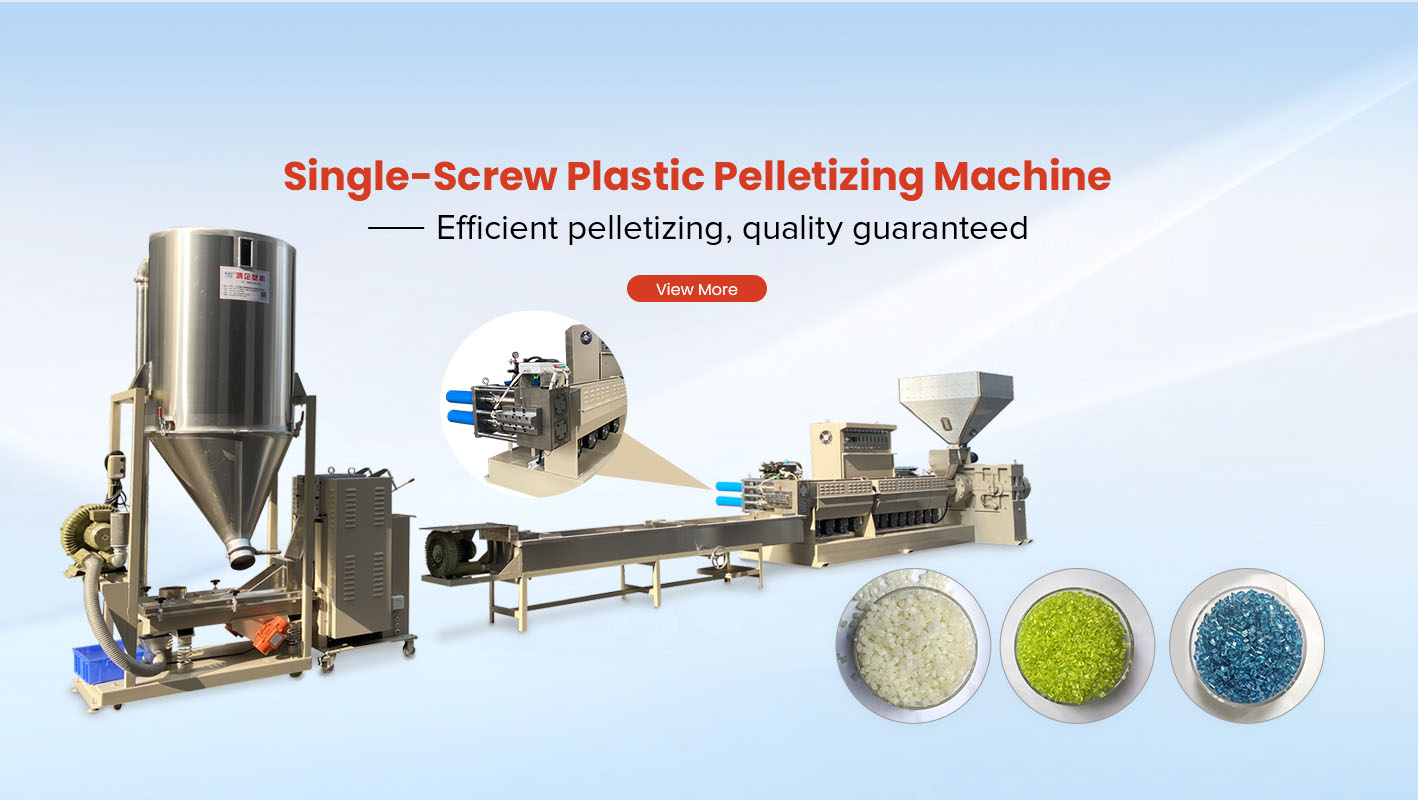
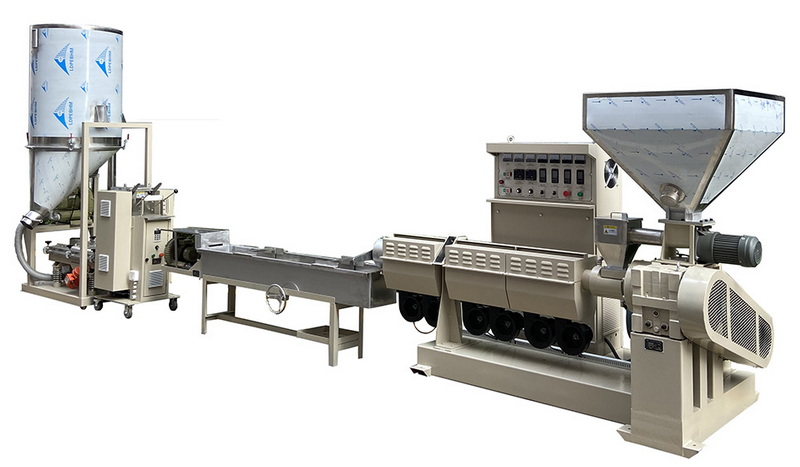
That is where a dedicated pelletizing solution becomes important. For operations handling PC and Pmma scrap, a single-screw recycling granulator designed for these materials can help maintain more stable processing conditions and support cleaner pellet output. This is especially useful when the goal is not just volume, but usable recycled material that can return to production with fewer quality issues.
Where Most Recycling Businesses Actually Earn Their Margin
Many new buyers focus too much on machine price and too little on process economics. In reality, profit usually comes from the gap between input cost and output value, minus operating costs. A cheaper machine does not automatically mean a better return. If it produces unstable granules, causes more downtime, or creates excessive loss, the saving at purchase stage disappears later.
The stronger recycling businesses usually earn their margin by improving the value of material before sale. They sort better, reduce contamination, run more stable extrusion, and produce pellets that are easier for customers to use. A buyer will usually pay more for recycled pellets that feed smoothly, look consistent, and perform closer to expectation.
This is also why internal recycling can be highly attractive for manufacturers. A factory generating steady plastic scrap already owns the raw material stream. Once that scrap is reprocessed properly, the business may lower waste disposal costs and reduce dependence on outside raw materials at the same time. In many cases, that internal saving is more reliable than chasing open-market scrap.
Why Equipment Selection Matters More Than Many Buyers Expect
In plastic recycling, the machine is not just a tool for melting waste. It is the core of quality control. A well-matched pelletizing system affects output stability, pellet appearance, throughput, maintenance frequency, and labor efficiency. This becomes even more important when processing transparent or higher-grade plastics.
For example, a recycling granulator built for PC and PMMA processing is typically expected to support stable melt handling and reduce the risk of visible discoloration during pelletizing. On the product side, the referenced model uses a single-screw structure, manual rotary screen changer, and is designed around materials that require controlled handling during recycling. It is also presented for small to mid-scale output ranges, which is useful for factories or recyclers that need a practical balance between capacity and floor space.
The point is not that one machine solves every problem. The point is that the right machine reduces avoidable loss. In recycling, avoiding preventable loss is often the difference between an operation that survives and one that struggles.
What Buyers Should Evaluate Before Entering This Business
Before starting a plastic recycling business, it is worth looking at the whole chain instead of only the equipment list. The first question should be about feedstock. Where will the plastic come from, and how stable will that supply be? A recycling line without reliable material is difficult to run profitably.
The second question should be about the target output. Are the pellets for internal reuse, for resale, or for a specific downstream customer? Without a clear output goal, it is hard to define the right level of sorting, filtration, and pellet quality.
The third question is about process matching. Different plastics behave differently. Transparent engineering plastics need different handling from mixed commodity scrap. Buyers should think about screw design, heating stability, filtration method, and whether the line is suited to the actual material they plan to run.
Finally, there is the operating side. Power use, labor needs, maintenance, lead time for Spare Parts, and ease of cleaning all affect the real return on investment. A recycling project should be evaluated as a working system, not as a single machine purchase.
Is Plastic Recycling Better For Traders Or Manufacturers
Manufacturers often have an advantage because they understand their own scrap source. Their material is cleaner, more traceable, and more consistent. That makes it easier to produce usable recycled pellets. Traders can also succeed, but they usually depend more on sourcing networks and sorting discipline. If the incoming material quality changes too much, output quality becomes harder to stabilize.
This is why many equipment buyers in this field are not only recyclers. They are also plastic product factories trying to recover value from production waste. In that setting, recycling is less about chasing scrap volume and more about building a tighter material loop inside the business.
Conclusion
Yes, you can make money recycling plastic, but only when the operation is built around material control, process stability, and realistic output standards. Plastic waste by itself has limited value. Processed plastic with consistent quality has a market. The business becomes much stronger when the material source is clear, the machine is properly matched, and the recycled pellets can be used with confidence.
For processors working with PC, PMMA, or other demanding plastic materials, choosing the right recycling granulator is a key part of making the numbers work. A suitable pelletizing line helps reduce waste, protect material quality, and support more stable production over time.
If you are reviewing a recycling project and want to understand what machine setup fits your material, capacity, and product goals, feel free to contact us. We can help evaluate your plastic type, expected output, and processing needs, then suggest a practical recycling solution for your operation.