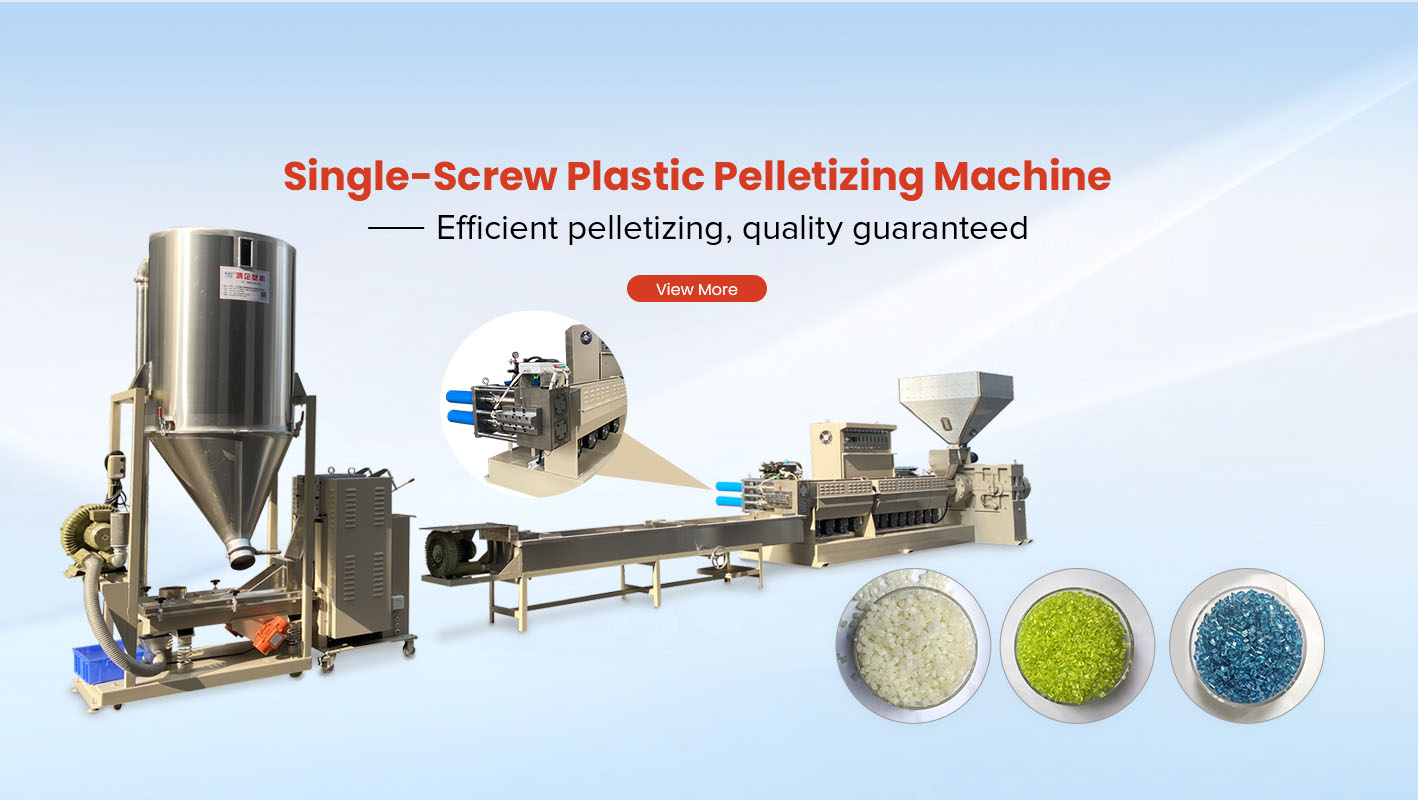
When people ask what machine turns plastic pellets, they are usually referring to a plastic pelletizing machine. This type of equipment melts plastic material and converts it into small, uniform granules that can be easily stored, transported, and reused in manufacturing. Pelletizing is an essential step in many plastic recycling and compounding processes because pellets are the most stable and practical form of plastic raw material for industrial production.
Instead of working with irregular plastic scraps or flakes, manufacturers prefer pellets because they feed smoothly into injection molding machines, extrusion lines, and other plastic processing equipment. A pelletizing machine therefore plays an important role in turning raw plastic material or recycled plastic into a consistent industrial resource.
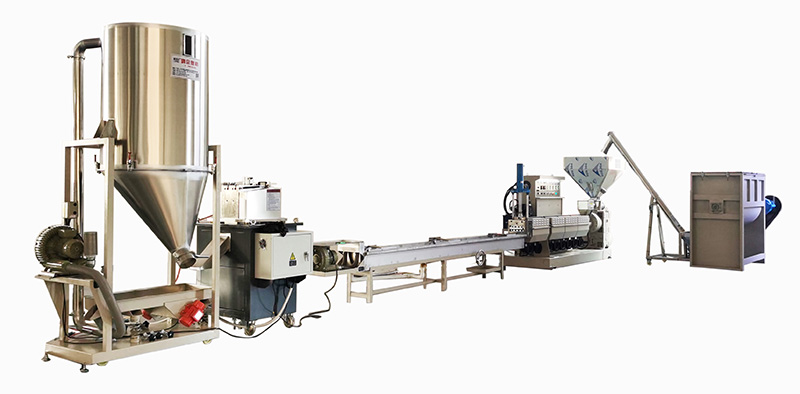
A plastic pelletizing machine converts melted plastic into evenly sized pellets through a controlled extrusion process. The material first enters the machine through the feeding system. Inside the extruder barrel, a rotating screw pushes the plastic forward while heat gradually melts the material.
Once the plastic becomes a stable melt, it passes through a filtration section that removes impurities and contaminants. After filtration, the molten plastic exits through a die and forms continuous strands. These strands are cooled and then cut into small pellets by a pellet cutter.
This sequence of melting, filtering, shaping, cooling, and cutting is what transforms irregular plastic material into uniform pellets. The result is a material form that is much easier to handle in later production processes.
Why Plastic Is Turned Into Pellets
Plastic pellets are widely used because they provide better consistency in manufacturing. Loose plastic waste or irregular flakes can cause feeding problems in processing machines. Pellets solve this issue by offering a uniform size and density.
Manufacturers also prefer pelletized material because it is easier to measure, mix, and transport. In recycling operations, turning plastic waste into pellets greatly increases the value of the material. Clean pellets can be reused directly in production or sold as recycled raw material to other processors.
For many factories, pelletizing also helps manage production scrap. Instead of discarding plastic waste generated during manufacturing, companies can reprocess it into pellets and feed it back into the production cycle.
The Main Machine Used For Pelletizing
The main machine responsible for turning plastic into pellets is the plastic pelletizing extrusion machine. This equipment is typically built around an extruder, combined with feeding devices, filtration systems, cooling units, and pellet cutters.
Among these components, the extruder is the core of the system. The screw inside the extruder barrel moves, melts, and compresses the plastic material until it becomes a uniform melt ready for pellet formation.
Many industrial pelletizing systems use single-screw extruders because they provide stable operation and efficient processing for a wide range of plastics. A well-designed single-screw pelletizing machine can handle materials such as PP, PE, ABS, PS, PC, and other common polymers used in recycling and compounding applications.
How A Pelletizing Line Works
Although the process seems simple, pelletizing actually involves several coordinated stages that must work together smoothly.
Material Feeding
Plastic raw material, recycled flakes, or regrind enters the machine through a feeder. Stable feeding ensures consistent extrusion pressure and improves pellet quality.
Melting And Plasticizing
Inside the extruder, the rotating screw compresses and heats the plastic. Mechanical friction and barrel heaters gradually melt the material until it becomes a homogeneous plastic melt.
Filtration
Before the plastic exits the extruder, it usually passes through a screen or filter. This stage removes impurities such as dust, paper residue, or unmelted fragments that could affect pellet quality.
Extrusion Through The Die
The melted plastic then flows through a die that forms continuous strands of plastic. The die design influences strand thickness and overall pellet uniformity.
Cooling And Cutting
The hot strands are cooled in water or air and then cut into small pellets by a pellet cutter. The final pellets are collected and prepared for storage or packaging.
Each stage contributes to the quality and consistency of the final pellets. If any step becomes unstable, pellet quality can decline quickly.
Industries That Use Plastic Pelletizing Machines
Plastic pelletizing machines are widely used in several industries because they support both recycling and new material production.
In plastic recycling plants, these machines convert waste plastic into reusable pellets that can re-enter manufacturing processes. In compounding facilities, pelletizing machines are used to blend polymers with additives, fillers, or colorants before forming pellets.
Manufacturing factories also use pelletizing machines to recover internal scrap generated during production. Instead of discarding plastic waste, companies can recycle the material and convert it back into pellets for reuse.
Because of these advantages, pelletizing equipment is commonly found in industries producing packaging materials, engineering plastic components, household products, and consumer goods.
Choosing The Right Pelletizing Machine
Selecting the right pelletizing machine requires understanding the type of plastic material being processed. Different plastics behave differently during melting and extrusion, so the machine configuration must match the material characteristics.
Feedstock quality is another important factor. Clean industrial scrap is easier to process than heavily contaminated waste plastic. In cases where impurities are present, stronger filtration systems may be required to maintain pellet quality.
Production capacity and pellet quality expectations also influence machine selection. Some applications focus mainly on recycling efficiency, while others require higher pellet uniformity for resale or reuse in precision manufacturing.
A properly matched pelletizing system helps maintain stable production, reduce material loss, and produce pellets that can be used reliably in downstream processing.
Conclusion
The machine that turns plastic into pellets is known as a plastic pelletizing machine. By melting plastic material and reforming it into uniform granules, this equipment helps convert raw plastic or recycled waste into a practical industrial material.
Pelletizing improves material consistency, simplifies transportation, and allows plastic to be reused efficiently in manufacturing. For recycling facilities, compounding plants, and plastic product factories, pelletizing equipment plays a central role in managing plastic materials and maintaining production efficiency.
If you are planning a plastic recycling or compounding project and want to determine what pelletizing machine fits your material and production goals, feel free to contact us. We can help evaluate your plastic type, processing requirements, and output targets to suggest a suitable pelletizing solution for your operation.