This question matters because plastic is now involved in almost every industrial chain, from packaging and consumer goods to electronics, automotive parts, construction materials, and optical applications. Understanding when plastic was invented also helps explain why recycling, pelletizing, and material recovery have become so important today. As more industries use engineering plastics such as PC and pmma, efficient recycling systems are no longer just a support process. They are part of modern production itself.
The Early Beginning Of Man-Made Plastic
The story of plastic began long before the materials used in today’s factories. In the mid-nineteenth century, inventors were trying to create substitutes for natural materials such as ivory, shell, horn, and wood. These early experiments led to materials that could be shaped and processed more easily than many natural resources.
One of the earliest important milestones came in 1862, when Alexander Parkes introduced a material known as Parkesine. It is often described as one of the first man-made plastics. It showed that a material could be chemically created, molded, and used in manufactured products. Even though it had limitations in cost and performance, it opened the door to a new industrial direction.
This is why the invention of plastic should be seen as a process of development rather than a single discovery. The idea of a moldable artificial material came first. The large-scale industrial value came later.
The Rise Of Modern Synthetic Plastics
The real turning point arrived in 1907, when Leo Baekeland developed Bakelite. This is widely recognized as the first fully synthetic plastic. Unlike earlier semi-synthetic materials, Bakelite did not depend mainly on natural polymers as its base. It was created through chemical synthesis and became important in electrical products, consumer goods, and industrial components.
From that point on, plastics began to move into a new stage. Manufacturers saw that synthetic materials could be engineered for different uses, and the plastics industry expanded rapidly in the following decades. Materials such as polystyrene, polyethylene, acrylic, and polycarbonate gradually entered the market and changed the way products were designed and made.
So while early plastic materials appeared in the 1800s, modern industrial plastic, in the way most people understand it today, really took shape in the early 1900s.
Why Plastic Became So Important
Plastic became important because it offered something industry had always needed: flexibility in both form and function. It could be light or rigid, transparent or opaque, impact-resistant or decorative. It could be processed into sheets, films, pipes, housings, containers, and precision components.
This wide processing range made plastic useful across many industries. As production methods improved, plastic stopped being only a substitute for natural materials and became a material class with its own advantages. That is why plastics such as PC and Pmma gained value in technical and visual applications. PC is often chosen where toughness and impact resistance matter. PMMA is valued for clarity, surface appearance, and light transmission.
As these materials became more common, manufacturers also had to think beyond production alone. Waste recovery, reprocessing, and stable recycling became increasingly important parts of the overall plastics chain.
Plastic Invention And Today’s Recycling Industry
When people ask when plastic was invented, the question often sounds historical. But in industrial manufacturing, it connects directly to the present. The more plastic materials developed and entered production, the more necessary recycling equipment became. Modern factories are no longer focused only on making plastic products. They also need ways to recover scraps, reuse clean production waste, and turn used plastic into reusable raw material.
This is especially relevant for engineering and transparent plastics. Materials like PC and PMMA are valuable, and in many production environments, the ability to recycle them efficiently can help reduce material waste and improve cost control. That is where granulating and pelletizing equipment plays an important role. Instead of treating plastic leftovers as a loss, manufacturers can process them into pellets for further use in production.
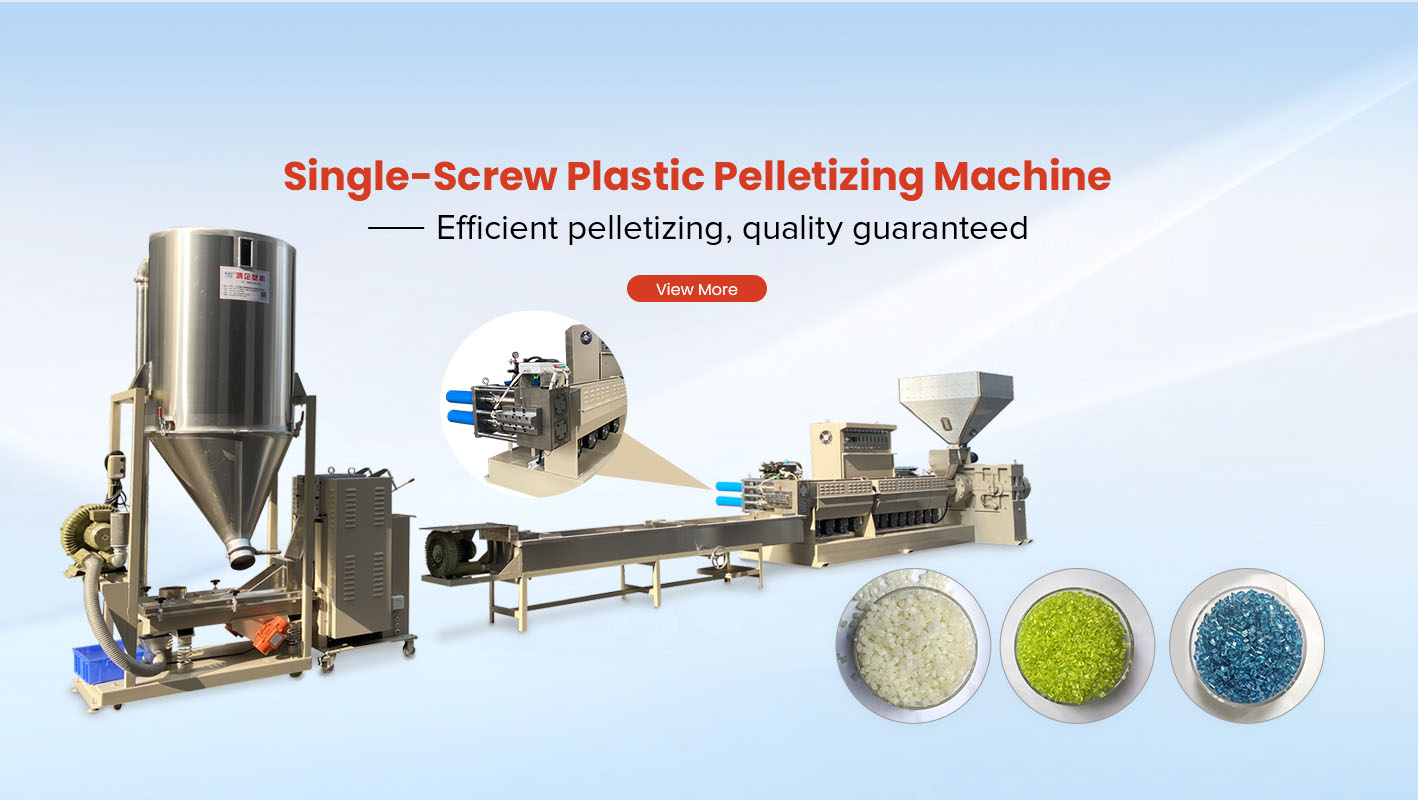
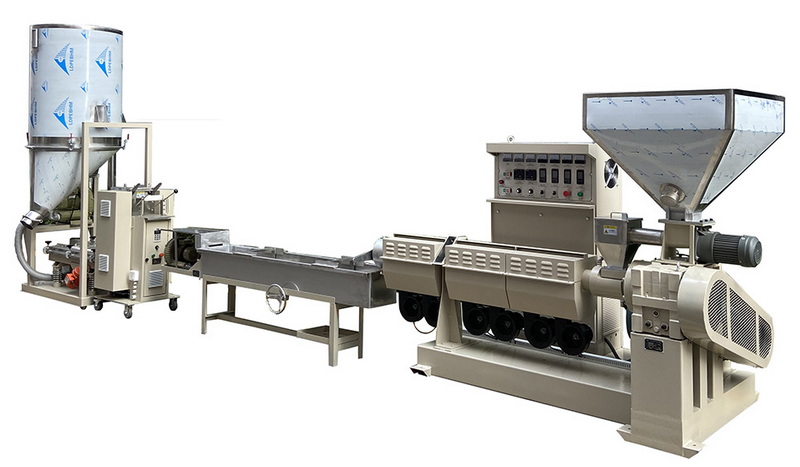
A plastic recycling granulator designed for PC and PMMA helps support this kind of closed-loop material use. It connects material recovery with industrial efficiency and makes recycling part of normal plant operation rather than a separate afterthought.
Why Recycling Matters More Than Ever
Plastic changed manufacturing because it made products more practical, scalable, and cost-effective. But that same success also created a new challenge: managing plastic waste responsibly. Today, the industry is under pressure to use materials more efficiently and reduce unnecessary waste. This is why recycling technology is no longer optional in many sectors.
For manufacturers working with PC, PMMA, and similar materials, recycling equipment helps recover value from offcuts, rejected parts, and production leftovers. Instead of sending these materials out as waste, businesses can process them back into a usable pellet form. This supports cleaner production planning and better raw material utilization.
In this sense, the question of when plastic was invented naturally leads to a second question: how should plastic be handled now? Modern industry increasingly answers that question through better sorting, pelletizing, and recycling systems.
From Invention To Circular Use
The development of plastic did not stop with invention. It continued through material innovation, mass production, product specialization, and now circular manufacturing. Today’s plastics industry is not only about creating new materials. It is also about improving how those materials are recovered and reused after processing.
This is particularly true in sectors where transparent and engineering plastics are widely used. PC and PMMA are not low-value materials. They often require controlled processing and careful handling, so recycling equipment used for them needs to support consistent output and practical plant operation. A recycling granulator built for these materials helps manufacturers move from simple disposal toward structured reuse.
That shift reflects the modern stage of the plastics industry. Plastic was first invented to solve material problems. Today, recycling technology helps solve efficiency and sustainability problems within that same industry.
Conclusion
So, when was plastic invented? The early foundations appeared in the nineteenth century, with important progress in the 1860s, while the first fully synthetic plastic arrived in 1907. From there, plastics grew into one of the most important material families in modern manufacturing. But the story of plastic is no longer only about invention. It is also about how plastic is processed, recovered, and reused in today’s industrial environment.
For manufacturers handling PC, PMMA, and other recyclable plastic materials, efficient pelletizing and recycling equipment has become an essential part of production planning. If you are exploring recycling solutions for engineering plastics or want to improve material recovery in your plant, feel free to contact us. We can help you review suitable equipment options and provide practical support for your recycling process.