The short answer is: sometimes, but not always. Some plastic containers are designed for microwave use, while others can warp, soften, or release unwanted substances when exposed to heat. That is why the safer question is not simply whether plastic can go in the microwave, but what type of plastic it is, how long it will be heated, and whether it was made for food-contact heating in the first place.
This matters because plastic is not one single material. It is a broad category that includes many different polymers with very different heat performance. Some plastics are used for packaging, some for durable industrial parts, some for transparent products, and some for technical applications that require better temperature control. In manufacturing, materials such as PE, PP, PVC, PC, and other thermoplastics are processed in very different ways because each one reacts differently to heat and pressure.
Not All Plastics Behave The Same Under Heat
One reason people get confused about microwaving plastic is that plastic containers often look similar from the outside. A clear food box, a takeaway lid, and a storage tray may all seem alike, but they may be made from different materials with different melting points and stability levels.
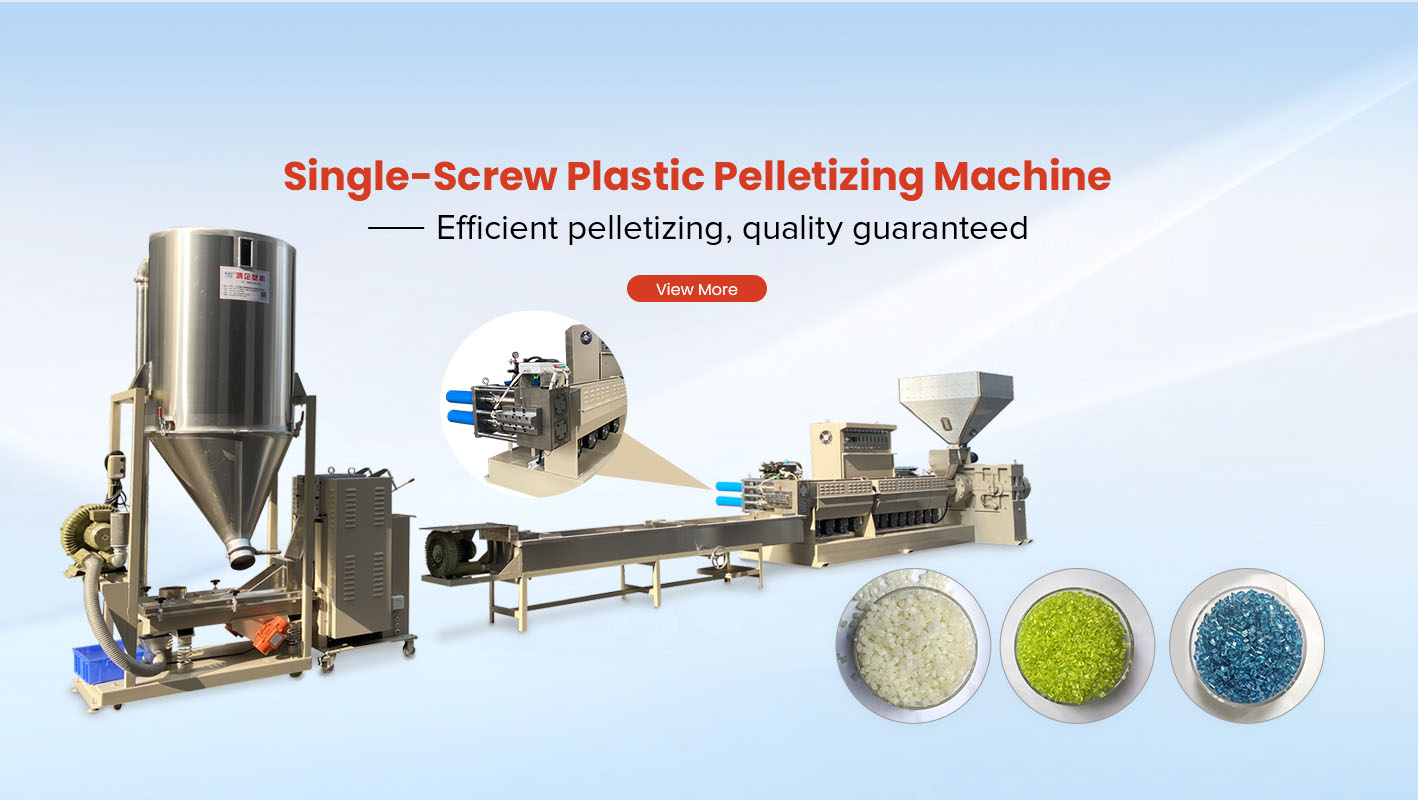
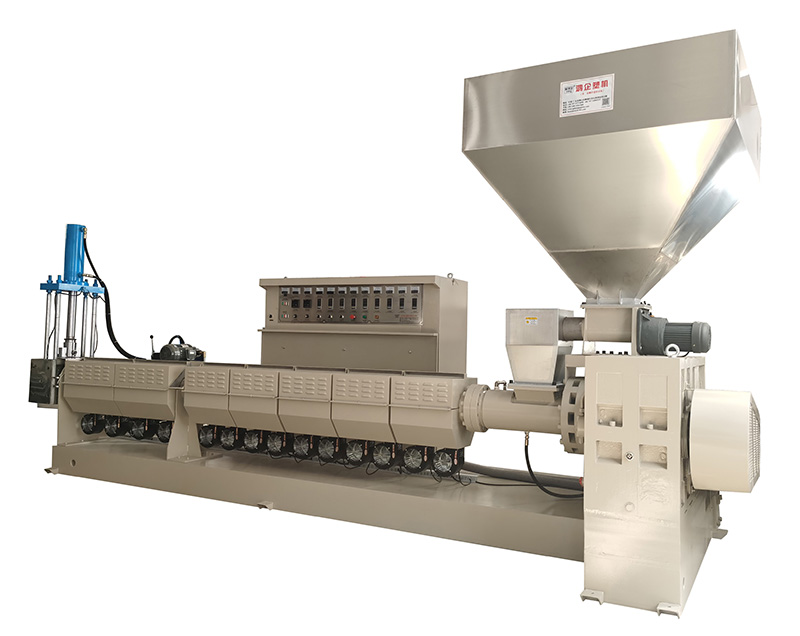
In industrial processing, this difference is obvious. plastic extrusion equipment is built to handle a range of thermoplastics by carefully controlling temperature, pressure, and screw speed so the material melts and flows in a controlled way. That alone shows an important fact: plastics respond to heat very differently, and they need the right conditions to remain stable.
When plastic is placed in a microwave without knowing its grade, the risk is not only melting. The container may bend, become brittle, lose its shape, or stop being suitable for food use. So the main issue is not whether something is “plastic,” but whether it is a microwave-safe plastic.
What Microwave-Safe Plastic Really Means
A microwave-safe plastic container is usually designed to tolerate reheating conditions without deforming too easily under normal use. That does not mean it can handle every temperature, every heating time, or every food type. Oily foods, high-fat sauces, and long heating cycles can create more stress than simple reheating.
This is why microwave safety should be treated as a product-use question, not a general material label. A plastic that works in one packaging format may not work in another thickness or product design. In manufacturing, precise process control is necessary because even the same family of material can perform differently depending on formulation and intended application. Extrusion systems use controlled heating zones and process settings for this reason.
So if a container is not clearly labeled for microwave use, it is usually better not to assume it is safe.
Why Some Plastics Warp Or Fail
Plastic changes under heat because heat affects the internal structure of the material. Some plastics soften earlier, some stay rigid longer, and some lose clarity or shape when heated repeatedly. In production, maintaining stable temperature is essential because overheating can affect quality, consistency, and final performance.
That same principle applies in the kitchen. If a plastic container is exposed to microwave heat beyond what it was designed for, it can deform even if it does not fully melt. Lids may curl, corners may sink, and the container may no longer seal or sit flat. This is especially common with thinner disposable packaging.
The problem becomes more obvious with repeated use. A container that survives one microwave cycle may still weaken over time if it was never meant for that purpose.
Clear Plastics Need Extra Attention
Many people assume clear plastic is safe because it looks clean and strong. But transparency does not automatically mean microwave suitability. Some transparent plastics are chosen for appearance, optical quality, or product display rather than heating performance.
In industrial applications, transparent plastics such as PC, pmma, and PETG are valued for clarity and optical properties, and processing equipment is designed to maintain those characteristics during production. But those material advantages in industrial use do not automatically mean a finished consumer container should go into a microwave. Final suitability depends on the exact resin, product design, wall thickness, and food-contact purpose.
That is why appearance alone is not a reliable guide. Clear plastic can still be the wrong choice for microwave heating.
How To Make A Safer Decision At Home
The simplest rule is to use only containers clearly intended for microwave use. If the item has no clear microwave-safe marking, no product guidance, or already shows signs of wear, it is safer to choose glass or ceramic for reheating.
It also helps to avoid overheating food in plastic for long periods. Even microwave-safe plastic performs better when used within reasonable limits. Short reheating is different from prolonged high-heat cooking. The condition of the container matters too. If it is scratched, cloudy, cracked, or warped, it should not be trusted for repeated microwave use.
This practical approach reflects a broader truth from plastic processing: performance depends on material control. In manufacturing, equipment is designed to regulate process conditions carefully to reduce waste, defects, and instability. In daily life, the same logic applies in a simpler way: use the right plastic for the right purpose.
Why Material Knowledge Matters In Manufacturing
The question of microwaving plastic may sound like a kitchen topic, but it also reflects something bigger about the plastics industry. Plastic materials are selected and processed based on performance requirements. Some are chosen for packaging, some for transparency, some for toughness, and some for chemical or heat resistance.
Plastic extrusion systems are used to process many thermoplastics, including PE, PP, PVC, PC, PA, and ABS, with controlled heating and screw design to support stable production. This wide material compatibility shows how important it is to understand plastic by application, not by appearance alone. A plastic product is only as suitable as the material choice behind it.
That is why businesses in plastic processing, recycling, and pelletizing pay close attention to material type, clarity, heat behavior, and end-use requirements.
Conclusion
So, can you put plastic in the microwave? Sometimes yes, but only when the plastic is specifically made for that use. Plastic is not one uniform material, and different types respond to heat in very different ways. Some can handle reheating better, while others may warp, weaken, or become unsuitable when microwaved.
The safest approach is to check whether the container is clearly microwave-safe and avoid guessing based on appearance alone. This is the same principle that guides plastic manufacturing: material choice matters, and performance depends on using the right plastic in the right conditions.
If you are involved in plastic processing, recycling, or pellet production and want to understand material behavior more clearly for different applications, feel free to contact us. We can provide practical support on plastic extrusion and pelletizing solutions for a wide range of thermoplastic materials.