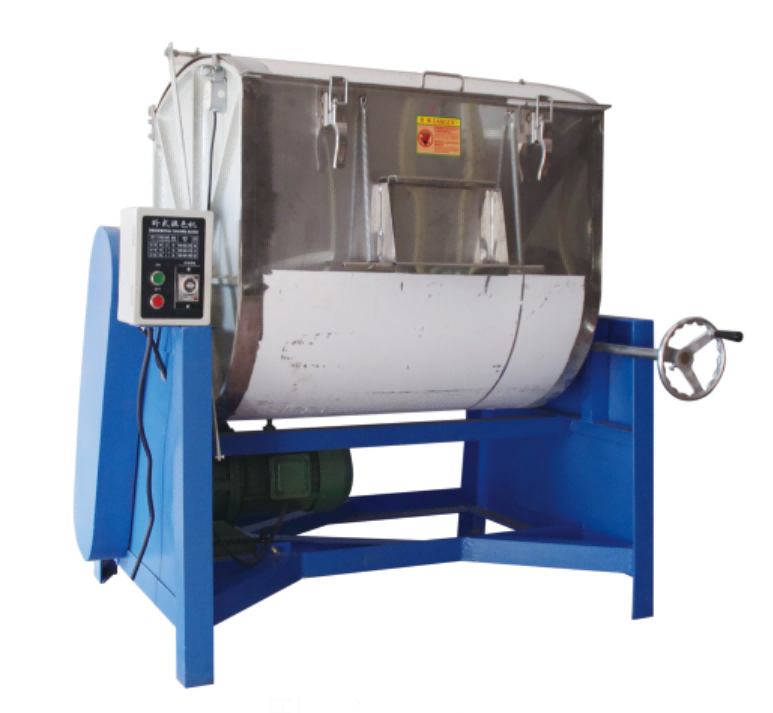
When buyers search how much does a paint mixing machine cost??, they are usually thinking about more than the machine price itself. They are also thinking about batch consistency, labor input, mixing efficiency, and whether the equipment will actually suit long-term production. That is why this topic connects naturally with industrial color mixing equipment. In many factories, the real question is not only how much a machine costs to buy, but how much it costs to run, maintain, and rely on every day. A horizontal Plastic Color Mixer Machine fits this discussion well because it addresses the same practical concern: how to achieve uniform, repeatable mixing without wasting time, material, or labor.
Why Cost Is More Than The Quotation
A mixing machine can look affordable on paper, but the real cost appears later in production. If the material blends unevenly, if the machine needs too much operator attention, or if color differences keep showing up from batch to batch, the lower initial price quickly loses its value. For B-end buyers, that is often the biggest issue. They are not just paying for a machine. They are paying for stable output, lower rework risk, and smoother daily operation.
That is one reason many buyers move away from basic low-spec equipment and start focusing on machines with clearer industrial value. A good mixing machine should help reduce inconsistency, shorten operation time, and support predictable results across multiple production cycles. In that sense, the cost discussion becomes less about the cheapest option and more about the machine that gives the best return in actual use.
What Usually Changes The Price Of A Mixing Machine
The first major factor is capacity. Smaller units cost less, but they may not match real production demand if the factory is handling repeated or larger batches. This machine range covers 50 kg, 100 kg, 150 kg, 200 kg, and 300 kg capacities, which already shows how machine size affects both structure and investment level. A buyer choosing a larger-capacity unit is not only buying more volume. They are also paying for stronger support in continuous production.
The second factor is motor configuration. This machine line uses a high-efficiency cycloidal pinwheel reduction motor, with power options from 1.5 kW to 10 kW depending on the model. That matters because motor choice directly affects output stability, mixing force, and energy use. A machine that is too weak can slow production and hurt mixing quality. A machine that is too large for the workload may create unnecessary operating cost. So the better question is not only how much the machine costs, but whether the motor and capacity are properly matched to the production target.
The third factor is control and automation. A machine that offers better time control and easier process handling often creates stronger long-term value than a cheaper unit with limited control. This machine supports adjustable mixing time from 0 to 30 minutes, which allows operators to match the mixing cycle to different materials and color requirements. That kind of control helps reduce overmixing, under-mixing, and avoidable human error.
Why This Product Fits The Topic Naturally
At first glance, paint mixing and plastic color mixing may sound like different categories. In actual factory work, the logic behind them is very similar. Both require stable dispersion, repeatable mixing quality, and a process that supports batch consistency. That is why the horizontal plastic color mixer machine fits the topic naturally. Buyers who ask how much does a paint mixing machine cost?? are often trying to understand how much they should spend for dependable mixing performance. This machine answers that same production concern from the perspective of industrial plastic and powder blending.
It is designed with a horizontal mixing structure that allows plastic particles, color powder, and related materials to contact and blend more fully during operation. In practical terms, that means the machine is built to improve color consistency between batches, which is exactly the kind of outcome buyers usually care about when evaluating any industrial mixing equipment. So even though the product is aimed at plastic color mixing, it speaks directly to the same cost and value logic behind paint mixing equipment decisions.
What Buyers Should Look At Beyond Purchase Price
One important issue is mixing uniformity. If the machine cannot blend materials evenly, the cost of rejected batches, rework, and unstable product appearance can be much higher than the machine price itself. This model is designed to mix particles with large color differences more evenly in a short time, which helps reduce color stratification and visible color spots. For buyers, that matters because inconsistency is one of the most expensive hidden costs in any color-based production line.
Another issue is energy consumption. This machine is built with an optimized mixing system intended to improve energy use efficiency while maintaining effective mixing performance. That is important because a machine used every day affects monthly and annual operating cost much more than many first-time buyers expect. In many cases, the right machine is not the one with the lowest entry price, but the one that runs more efficiently and creates fewer production losses over time.
There is also the issue of manual dependence. This machine is designed with an intuitive control panel and automated support for feeding, mixing, and discharging. That can reduce operator workload and help make production more consistent across different shifts. For factories managing multiple batches every day, a machine that reduces manual intervention often becomes the more economical choice in practice.
Why Horizontal Mixers Still Matter In Industrial Mixing
A horizontal mixer remains highly relevant because it gives materials broader contact during the blending process. That improves diffusion and distribution, especially when the material mix includes color powder and plastic particles that need more thorough blending. In industrial use, a horizontal structure often gives buyers a better balance between mixing effect and manageable operation.
This also matters from a product planning standpoint. A machine with a clear working logic is easier to position in the market and easier for production staff to adopt. That is why a Horizontal Plastic Color Mixer Machine is not only a technical product. It is also a commercial decision for buyers who want more reliable batch performance without making their line more complicated than necessary.
The Hidden Cost Of Choosing The Wrong Machine
The wrong machine often costs more in ways that do not appear on the quotation. One problem is frequent correction work. If operators need to keep checking, adjusting, or rerunning batches, labor cost rises quickly. Another problem is maintenance trouble caused by weaker machine structures. This machine is built with high wear-resistant materials, and the barrel cover and barrel bottom are precisely stamped and formed for stronger durability. That helps support longer service life and lower maintenance pressure.
There is also the risk of unexpected stoppage. This machine includes an overload protection device, which helps prevent the motor from burning out and reduces the chance of damage to mechanical parts when the load exceeds normal range. For a factory, that kind of protection matters because equipment failure usually creates more cost than the original machine purchase ever saved.
Where This Type Of Mixer Makes More Sense
This type of mixer makes more sense when the buyer needs repeatable color consistency, steady batch control, and a machine that can adapt to more than one production scenario. It is suitable not only for plastic processing and recycling, but also for chemical, pharmaceutical, food, and building material production. That broader application range gives the equipment more long-term value, especially for companies that may expand their material programs or use the same machine logic across different product lines.
For many buyers, flexibility is part of the cost decision. A machine that supports wider use conditions can often be justified more easily than one that only fits a narrow process. That makes the investment easier to defend from both a production and purchasing perspective.
How To Judge Value More Clearly
A better way to read the title how much does a paint mixing machine cost?? is to ask how much a reliable mixing result is worth to the business. If the goal is only basic agitation, a very low-cost machine may appear attractive. If the goal is stable color, lower labor pressure, better production continuity, and fewer batch problems, the better decision is usually to invest in a machine that brings stronger value over time.
This is where the Horizontal Plastic Color Mixer Machine becomes a useful reference point. It offers clear capacity options, adjustable mixing time, durable material construction, and a structure designed for more uniform blending. For buyers who need to compare equipment more carefully, those are the factors that matter more than a simple low quotation.
Conclusion
So, how much does a paint mixing machine cost?? The practical answer depends on capacity, motor configuration, control level, mixing quality, and long-term operating value. The machine price is only one part of the decision. The more important question is whether the equipment can reduce waste, maintain batch consistency, and support the way production actually runs.
If you are comparing industrial mixing equipment and want a solution that supports more uniform blending, more flexible batch control, and easier daily use, a horizontal plastic color mixer machine is a strong option to evaluate. If you want help choosing the right model for your output target, material type, or workshop setup, contact us for practical guidance and model selection support before you make the next equipment decision.