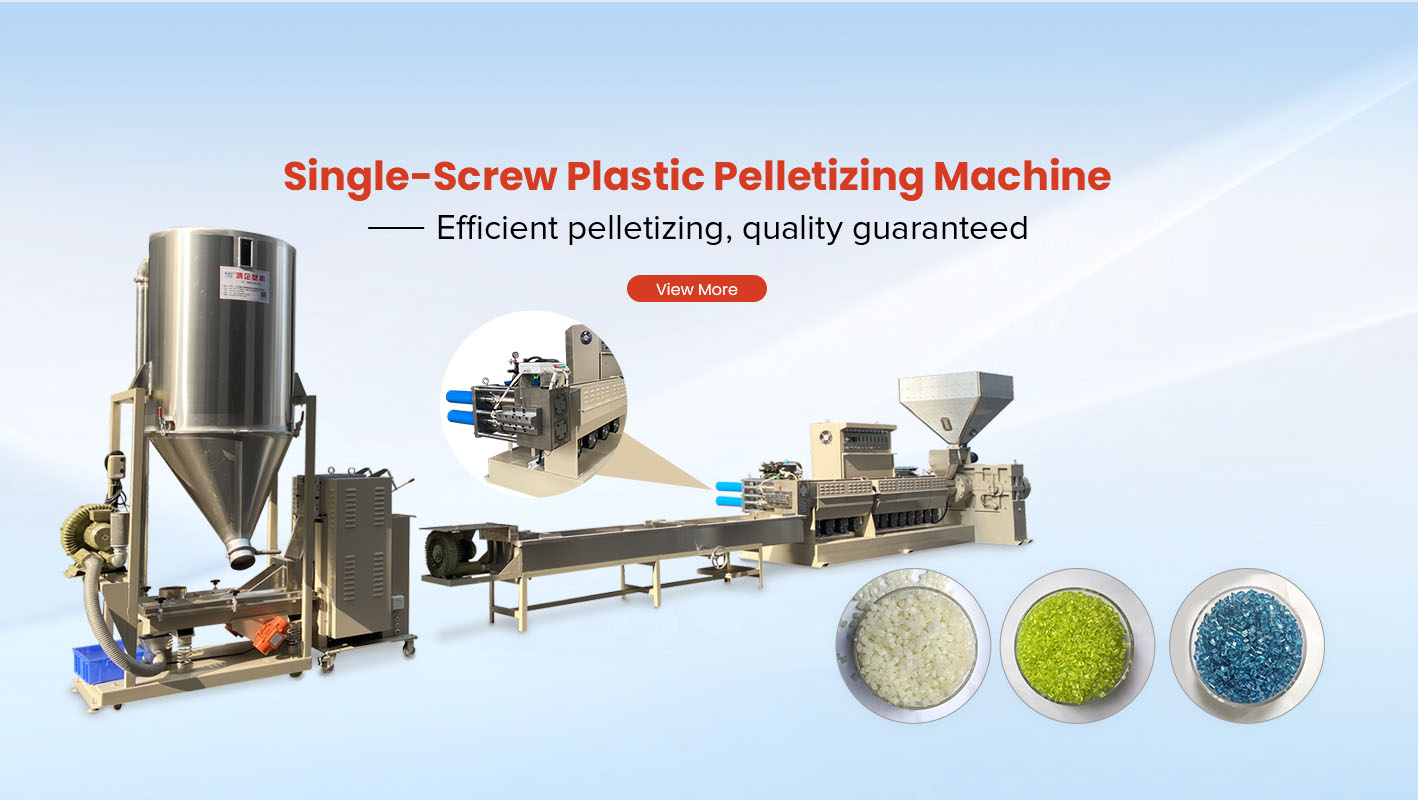
Making PET granules is not simply a matter of melting waste plastic and cutting it into pellets. In real production, the result depends on feedstock quality, moisture control, melt stability, filtration, and pelletizing precision. For recyclers and plastic processors, the real target is not just output volume, but clean, uniform PET granules that can move smoothly into downstream applications. That is why a dedicated PET granulator machine matters.
Start With Clean And Consistent PET Feedstock
The first step in making PET granules is preparing the raw material properly. In most cases, PET comes from post-consumer bottles, packaging waste, or industrial scrap. Before the material enters the extruder, it needs to be sorted, cleaned, crushed, and kept as consistent as possible. If different polymers, dirt, labels, or metal residue remain in the feed, granule quality becomes unstable and the line becomes harder to run smoothly.
This is where many buyers underestimate the process. A pelletizing line can be powerful, but if the incoming PET flakes are not clean or steady, the final granules will still show variation. Stable feeding is part of the solution. The linked PET granulator machine uses an auto feeder with inverter control, and the HQ-120 configuration lists a 1500 W feeder motor with stainless steel construction, which helps maintain more even raw material delivery into the extrusion stage.
Control The Melting And Plasticizing Stage
Once the PET material is ready, the next stage is melting and plasticizing it through the extruder. This is one of the most important steps because PET is sensitive to processing conditions. If melt control is unstable, pellet quality drops quickly. Poor temperature management can lead to inconsistent flow, degraded material, and unstable cutting behavior later in the line.
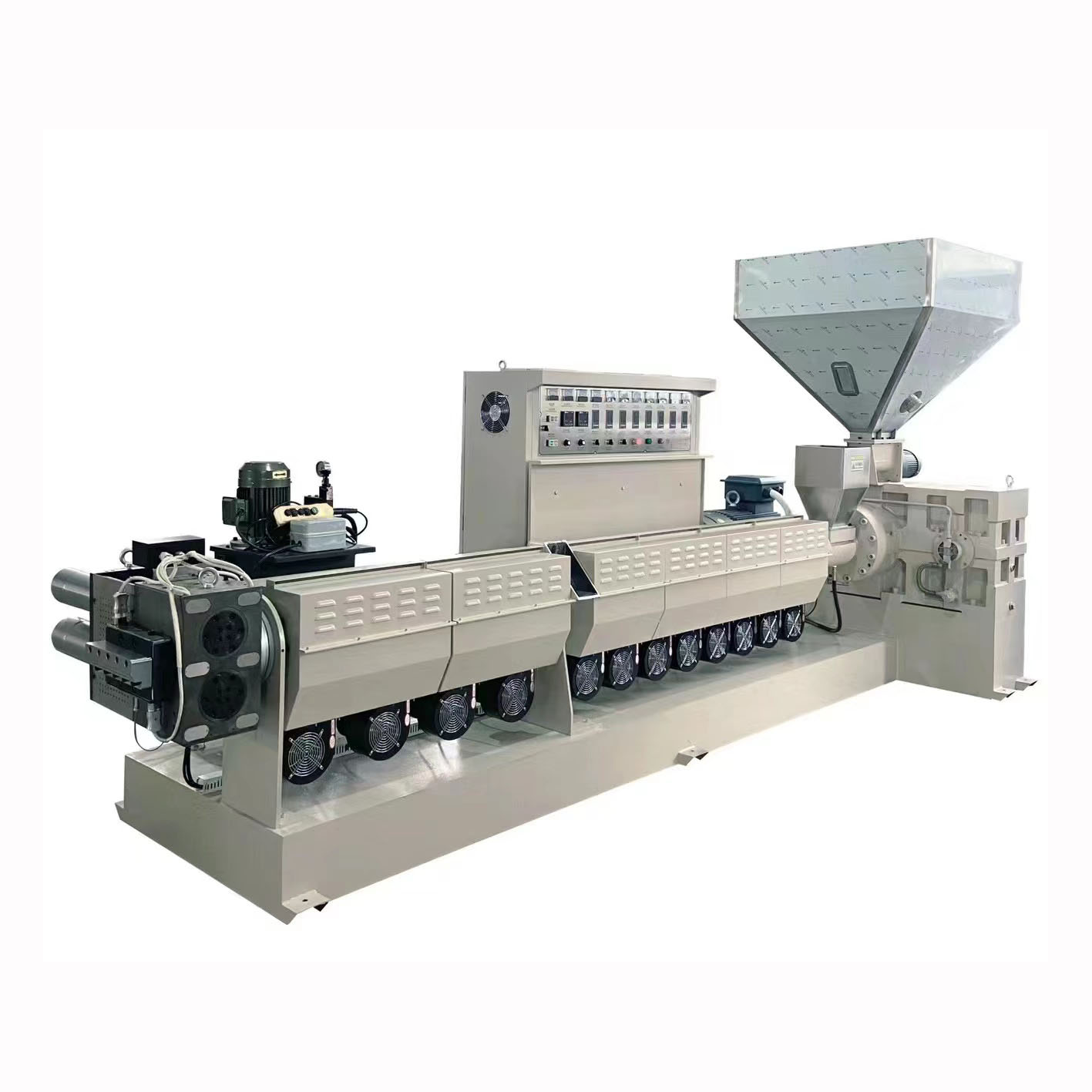
The linked machine is built around a single-screw extruder. On the HQ-120 model, the screw specification is Φ120 with L/D 33, and the screw material is listed as SACM-1. It also uses 8-section temperature control, 65 kW barrel heating, and 370 W × 12 barrel cooling fans, giving operators more precise control over the melt condition. In practical terms, that helps the line maintain a more stable extrusion process, which is essential when the goal is to make PET granules with more consistent size and quality.
Filter The Melt Before Pelletizing
After the material is properly melted, the next step is filtering the melt before it reaches the die head. This stage is especially important in recycled PET production because even well-cleaned raw material can still contain fine contamination. If those impurities move directly into the pelletizing section, they can affect pellet quality, die performance, and downstream processing.
This PET granulator machine uses a dual bolts continuous screen changer on the HQ-120 model, with 2.2 kW heating and a Φ200 mm screen. Continuous filtration is valuable in real production because it helps maintain line continuity and reduces interruptions from manual screen replacement. For B-end buyers, this matters because unstable filtration often leads to more downtime, higher labor involvement, and lower line efficiency.
Form Strands And Cool Them Correctly
Once the PET melt passes through filtration, it is pushed through the die head to form strands. These strands then need to be cooled in a controlled way before cutting. Cooling is often treated as a simple downstream step, but it has a direct effect on strand stability and pellet shape. If the strands cool unevenly or deform before cutting, pellet appearance and handling performance will suffer.
The standard production line shown for the HQ-120 includes a water cooling section together with the extruder, cutting machine, and vibrate machine with hopper. The listed water-cooling unit is HQ-450, and the line’s total power is shown as 190 kW with a total occupation length of 14 m. That tells buyers this is not a single isolated machine, but a coordinated pelletizing line where cooling and cutting are designed to work together.
Cut PET Strands Into Uniform Granules
After cooling, the PET strands move into the pelletizing stage. This is where the material becomes finished granules. The cutting section needs to stay stable because poor pelletizing creates uneven pellet length, dust, or rough surfaces that reduce the value of the final product. For many factories, this is the stage where downstream usability is decided.
The HQ-120 line uses a 7.5 kW pelletizer with 28 rotating blades and fixed tungsten carbide blades made of SKD-11 steel, along with variable-frequency speed regulation. This design is intended to improve pelletizing precision and keep the cutting process more stable during production. For processors making PET granules for resale or further manufacturing, cleaner and more uniform pellets are easier to store, package, and feed into later equipment.
Stabilize Production With Better Automation
A line that can make PET granules consistently needs more than raw power. It also needs process stability. In many factories, the real bottleneck is not the machine’s maximum output, but whether the line can maintain steady production without too much manual adjustment. That is one reason automation matters. It helps reduce operator error, improve repeatability, and keep the full pelletizing process more controlled.
The linked machine includes an automated control system with 8-zone temperature control and a continuous screen changer. The product page also states that this level of automation can increase production efficiency by 40% to 50% compared with less automated equipment, while reducing the risks that come with manual intervention. For buyers comparing PET pelletizing solutions, this is often more important than a simple headline capacity figure.
Understand Where PET Granules Are Commonly Used
For many buyers, the question is not only how to make PET granules, but whether the granules will be useful across real recycling and manufacturing applications. That is where the linked machine becomes commercially relevant. It is positioned not only for PET bottles, but also for broader plastic waste streams including electronic housings, computer equipment, household items, toys, and packaging plastic. The application section also highlights electronic scrap recycling, home appliance plastic recycling, automotive plastic parts recycling, packaging plastic recycling, and toy plastic recycling.
This matters because a more flexible line is easier to justify in real purchasing decisions. A machine that only works in one narrow scenario may be harder to scale commercially. A PET granulator machine that supports broader recycling tasks gives buyers more room to adapt production plans over time.
What Buyers Usually Care About Most
In real sourcing, buyers usually focus on a few recurring pain points. One is whether the output is stable enough for repeat business. Another is whether the machine can run long hours without frequent interruption. Maintenance is also a major concern. A machine may perform well during commissioning, but if screw wear, gearbox issues, or unstable temperature control show up too quickly, production cost rises fast.
The maintenance guidance for this line reflects those practical concerns. It recommends checking screw wear every 500 hours, servicing the gearbox every 300 hours, cleaning the pelletizing system after each production run, and monitoring temperature deviation closely. The page also notes that if wear exceeds 0.3 mm, the screw should be repaired or replaced, and if any zone’s temperature deviates by more than ±2°C, the heating and cooling components should be checked. For industrial buyers, these details help show what kind of operational discipline the machine requires in real use.
Why The Right PET Granulator Machine Makes A Difference
A lot of PET granule production problems do not come from the material alone. They come from weak control over one part of the process. Feed inconsistency, unstable plasticizing, insufficient filtration, poor cooling, and inaccurate cutting all reduce pellet quality. That is why a complete line matters more than a single strong motor or a single large output number.
The linked system addresses this by combining feeding, extrusion, screen changing, cooling, pelletizing, and vibration handling into one production line. On the HQ-120 model, the core figures include 400 to 600 kg per hour output, 110 kW main motor power, 5600 × 2300 × 2500 mm machine size, and 5100 kg machine weight. Those specifications place it firmly in the industrial production category rather than the small workshop level.
Conclusion
So, how to make PET granules? The process starts with clean and consistent PET feedstock, then moves through stable feeding, controlled melting, effective filtration, proper cooling, and accurate pelletizing. Each stage affects the quality of the final granules. If one stage is weak, the whole line becomes harder to manage.
A dedicated PET granulator machine helps bring those stages together into one more controlled production system. If you are planning a PET recycling line, comparing pelletizing equipment, or trying to improve granule consistency in actual production, contact us with your material type and target output. We can help you review the right machine setup and provide guidance based on your processing needs.