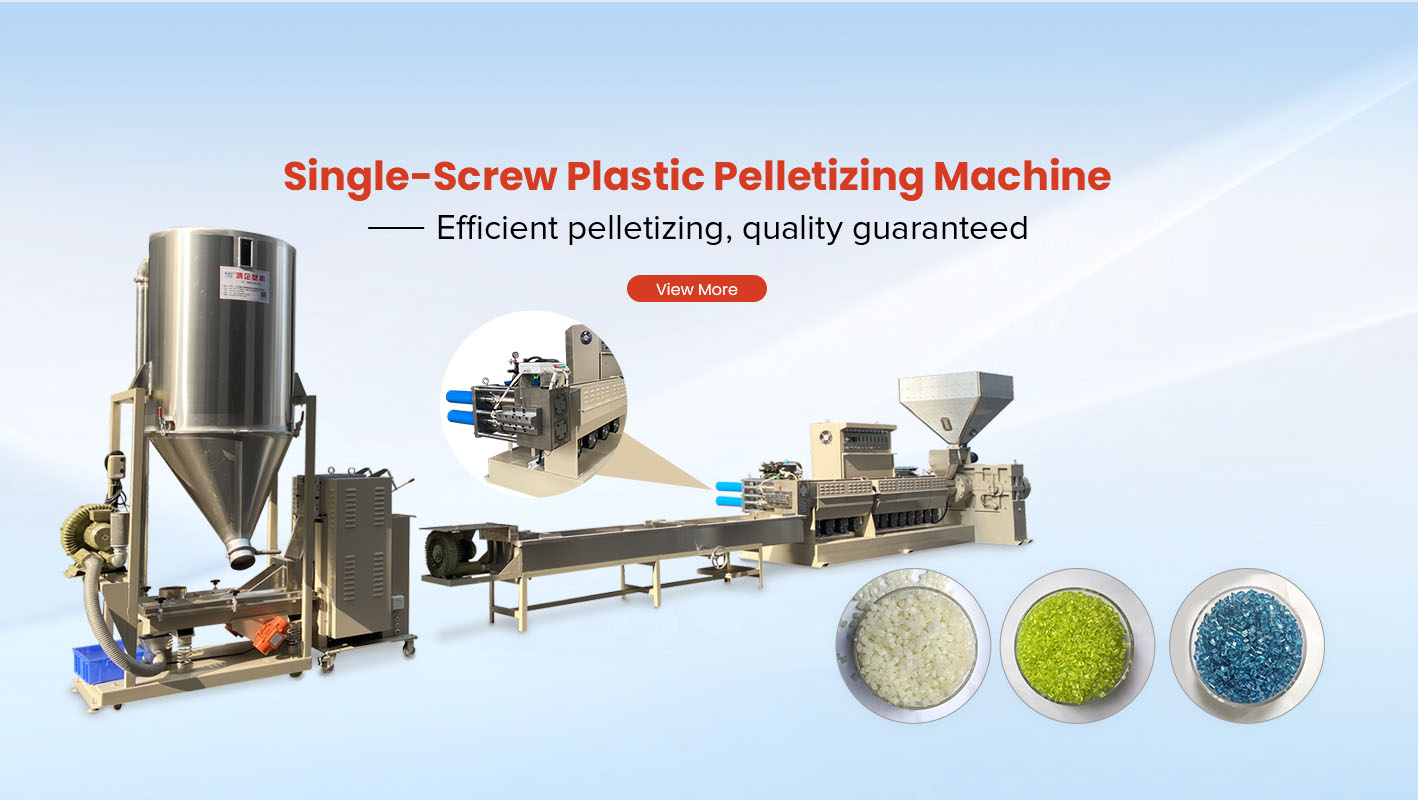
Melt temperature is one of the most critical factors in plastic extrusion because it directly affects product quality, output stability, and material performance. If the temperature is too low, the material may not melt fully. If it is too high, the polymer can degrade, discolor, or lose strength. That is why melt temperature is not just a setting. It is part of the entire extrusion process.
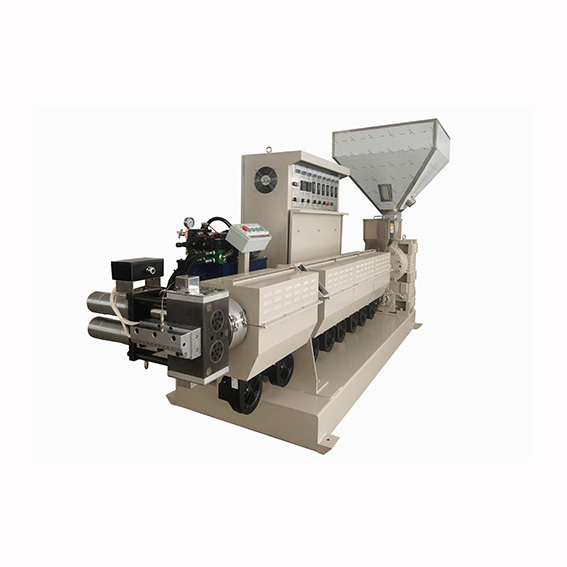
For manufacturers, recyclers, and project buyers, the goal is not simply reaching a number. The goal is maintaining a stable melt condition that supports consistent production. This is where machine capability becomes important. Our single screw extruder machine connects naturally with this topic because it is designed to support stable plasticizing and predictable melt behavior under real production conditions.
Why Melt Temperature Is Different From Barrel Temperature
Many operators focus only on barrel settings, but melt temperature is the actual condition of the material at the die. It is influenced not only by heaters, but also by shear, screw design, and residence time.
This is why two machines with the same temperature settings can produce very different results. One may deliver smooth output, while another shows instability or defects. For B2B buyers, this difference directly affects scrap rate, efficiency, and product consistency.
What Happens When Melt Temperature Is Too Low
Low melt temperature leads to incomplete plasticizing. The material may appear uneven, with poor surface quality and unstable flow. In pelletizing or extrusion, this often results in inconsistent output and higher mechanical load on the machine.
Running too cold may seem safe, but it often increases waste and reduces productivity. For production lines, this means higher operating cost and lower efficiency.
What Happens When Melt Temperature Is Too High
Excessive temperature causes material degradation. This can lead to discoloration, odor, brittleness, and unstable viscosity. In some cases, the damage is not immediately visible but still affects product performance.
For buyers, this is a quality risk. Overheating does not improve output. It only increases energy consumption and reduces material value.
Why Screw Design Plays a Key Role
Screw design controls how the material melts, mixes, and flows. A well-matched screw helps generate stable melt temperature and uniform plasticizing. A poor design creates uneven heat distribution and process instability.
Single screw extruders remain widely used because they offer reliable plasticizing when properly configured. Our machine is built around this principle, supporting smoother melting and better temperature control across different materials.
Why Material Type Changes the Temperature Window
Different plastics require different melt conditions. Even within the same material, additives, recycled content, and moisture can shift the optimal range.
This is why operators cannot rely on one fixed setting. For B2B customers, flexibility is important. A machine that adapts to different materials is easier to use across multiple production tasks.
Why Feed Stability Also Affects Melt Quality
Melt temperature stability depends on feed consistency. Irregular material size, moisture, or contamination can disrupt the melting process.
This is especially important in recycling and pelletizing lines. Stable feeding and proper material preparation help maintain consistent melt conditions and reduce process fluctuation.
Why Multi-Zone Control Improves Precision
Different barrel sections perform different functions. Feed, compression, and metering zones require different temperature profiles.
A machine with multi-zone temperature control allows more precise adjustment. This reduces trial-and-error setup and improves production consistency, especially when switching materials or output targets.
Why Output Rate Must Match Melt Control
Higher output increases shear and internal heat. If the process is not balanced, temperature rises uncontrollably and quality drops.
For buyers, the key is not maximum output alone. It is whether the machine can maintain stable melt conditions at that output level.
Why Buyers Focus on Process Stability
In real sourcing decisions, buyers care about long-term stability more than initial performance. They need machines that reduce scrap, shorten setup time, and maintain consistent quality across batches.
Our single screw extruder machine supports this approach by combining stable plasticizing, controlled temperature zones, and adaptable processing capability for different applications.
Conclusion
Optimizing melt temperature is about balance, not extremes. The right combination of material behavior, screw design, temperature control, and output rate leads to better product quality and more efficient production.
Our single screw extruder machine supports this balance by delivering stable melting, consistent extrusion, and flexible processing for different materials. It is a practical solution for manufacturers, recyclers, and project buyers who need reliable production performance.
If you are evaluating extrusion equipment for your production line, feel free to contact us. We can help you match machine configuration with your material and output requirements, and provide a more workable extrusion solution for long-term use.