Extruder pricing is one of the first questions buyers ask, but it is rarely answered with one number. In real purchasing, the cost of an extruder depends on what the machine is expected to do, how much output is needed, what materials will be processed, and how complete the line needs to be. A small lab or pilot setup sits in a very different price range from a production machine built for compounding, recycling, or high-output pelletizing.
That is why serious buyers usually move past the question of price very quickly and start asking a better one: what kind of extruder gives the right return for the job? In plastic processing, the wrong machine often costs more than the right one. It can reduce output, create unstable pellets, increase energy use, or limit future product development. For project buyers, distributors, and factory owners, that matters far more than a low starting quote.
Cost Starts With Capacity And Machine Size
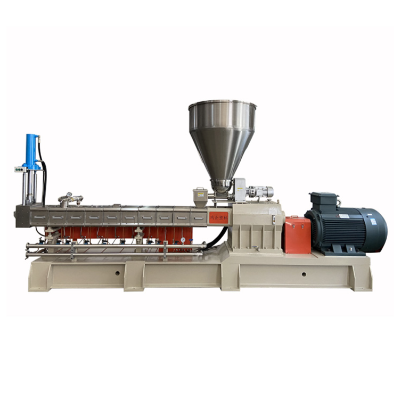
One of the biggest factors behind extruder cost is size. A smaller twin-screw machine built for testing, development, or low-volume production is naturally different from a larger machine designed for continuous output. As screw diameter increases, output rises, and the supporting structure becomes more demanding as well. That changes the motor size, barrel design, gearbox requirements, cooling arrangement, and the rest of the line.
This is why extruder prices often vary so much from one quote to another. Two machines may both be called twin-screw extruders, but if one is aimed at light-duty development work and the other is built for industrial compounding or recycling, they are not really in the same purchasing category. Buyers who compare them only by headline price usually end up comparing the wrong things.
Processing Application Changes The Budget
The next big factor is application. A machine for plastic waste recycling is not always specified the same way as a machine for engineering plastics, polymer blends, masterbatch, or biodegradable materials. Some materials are easier to process. Others need more precise temperature control, stronger mixing, or more specialized screw design.
That is where budget starts to connect directly with performance. A machine built for complex compounding usually needs more from the screw configuration, temperature control, and die-head setup than a simpler line. In real production, those details affect not only output, but also stability, material quality, and maintenance frequency.
For many buyers, this is the point where price becomes less about one machine and more about whether the line actually suits the intended material.
The Line Configuration Matters More Than Many Buyers Expect
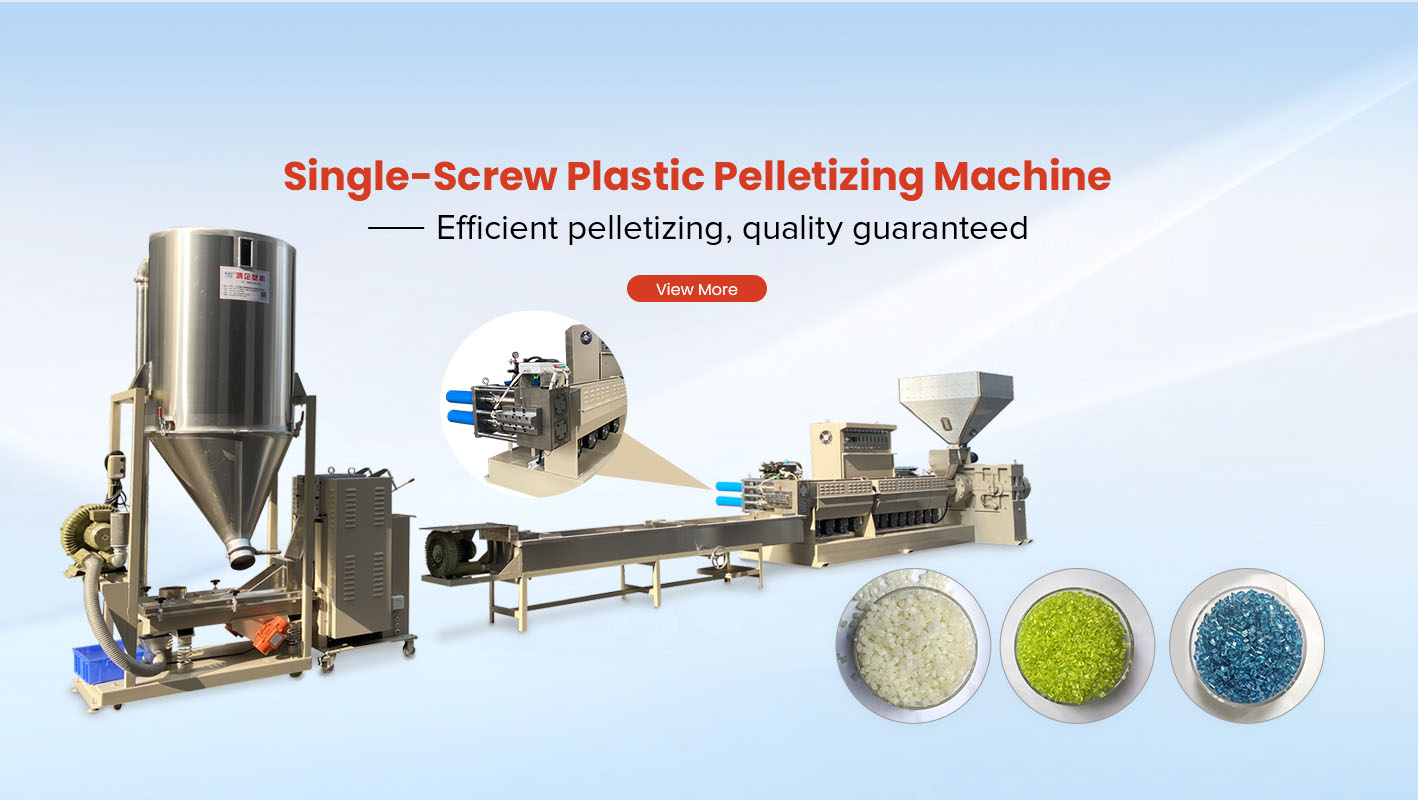
When people ask how much an extruder costs, they often picture the main machine only. In practice, the final investment usually includes much more than the extruder body. Feeding, screen changing, cooling, pellet cutting, vibration, and other downstream or support sections all affect the total.
That is why one quote can feel much higher than another even when the extruder model looks similar on paper. One supplier may be pricing the main machine only. Another may be pricing a fuller working line. For buyers, this is one of the most common sources of confusion. The lower number is not always the better offer if the system behind it is incomplete.
A better buying decision usually comes from understanding what is included, how the line is configured, and whether the supporting equipment matches the production target.
Customization Always Changes The Price
This is especially true in twin-screw projects. Once the buyer needs different screw configurations, different L/D ratios, or die-head changes, the quote starts to move. That does not mean the machine becomes overpriced. It means the machine is being adapted to the actual job.
For many factories, that is exactly what makes the investment worthwhile. A standard machine may look cheaper at the start, but if it does not fit the material or the output target, it can become more expensive through unstable production, more waste, or limited product flexibility. This is one reason OEM and ODM thinking matters even in machinery supply. Buyers are not always looking for a machine off the shelf. They often need a system that matches their process more closely.
Why Buyers Compare More Than Price
In this market, experienced buyers rarely choose only by quote. They look at output range, material compatibility, component quality, maintenance access, after-sales support, and how easily the line can be adjusted later. They also care about warranty, lead time, and whether the supplier can support future expansion.
That is particularly important for companies working with engineering plastics, recycled materials, polymer blends, reinforced fillers, or biodegradable materials. In these cases, the machine has to do more than run. It has to run in a stable way, over time, with fewer disruptions. That is why the cheapest quote often loses appeal once the production team starts reviewing the real operating needs.
Why Plastic Extrusion Manufacturers Ask Better Questions
The most experienced plastic extrusion manufacturers usually do not start by asking for the cheapest model. They start by asking what output is needed, what material will be used, how the pellets should perform, and whether the line needs room for future formulation changes.
That is the smarter way to buy. An extruder is not a short-term accessory. It is production equipment. It affects output, quality, labor, energy use, and the kinds of orders a factory can take later. That is why the right machine often creates better long-term value than a lower first quote with more operating limits.
For distributors and project buyers, this is also why supplier quality matters. A supplier should be able to discuss application, line matching, and customization clearly instead of only giving one number and leaving the rest to guesswork.
Conclusion
So, how much does an extruder cost? The honest answer is that the price depends on machine size, target output, material type, line configuration, and how much customization the job requires. In real production, the better question is not simply how much the machine costs, but whether the machine is built for the work you actually need it to do.
A twin-screw extruder makes more sense when the configuration, output target, and material plan are matched from the beginning. If you are building a recycling line, a compounding setup, or a pelletizing project, and you need a supplier that can support repeat production needs together with OEM or ODM-style customization, send us your material type, target capacity, and project requirements. We can help you sort out a more suitable machine and a more practical quotation direction.