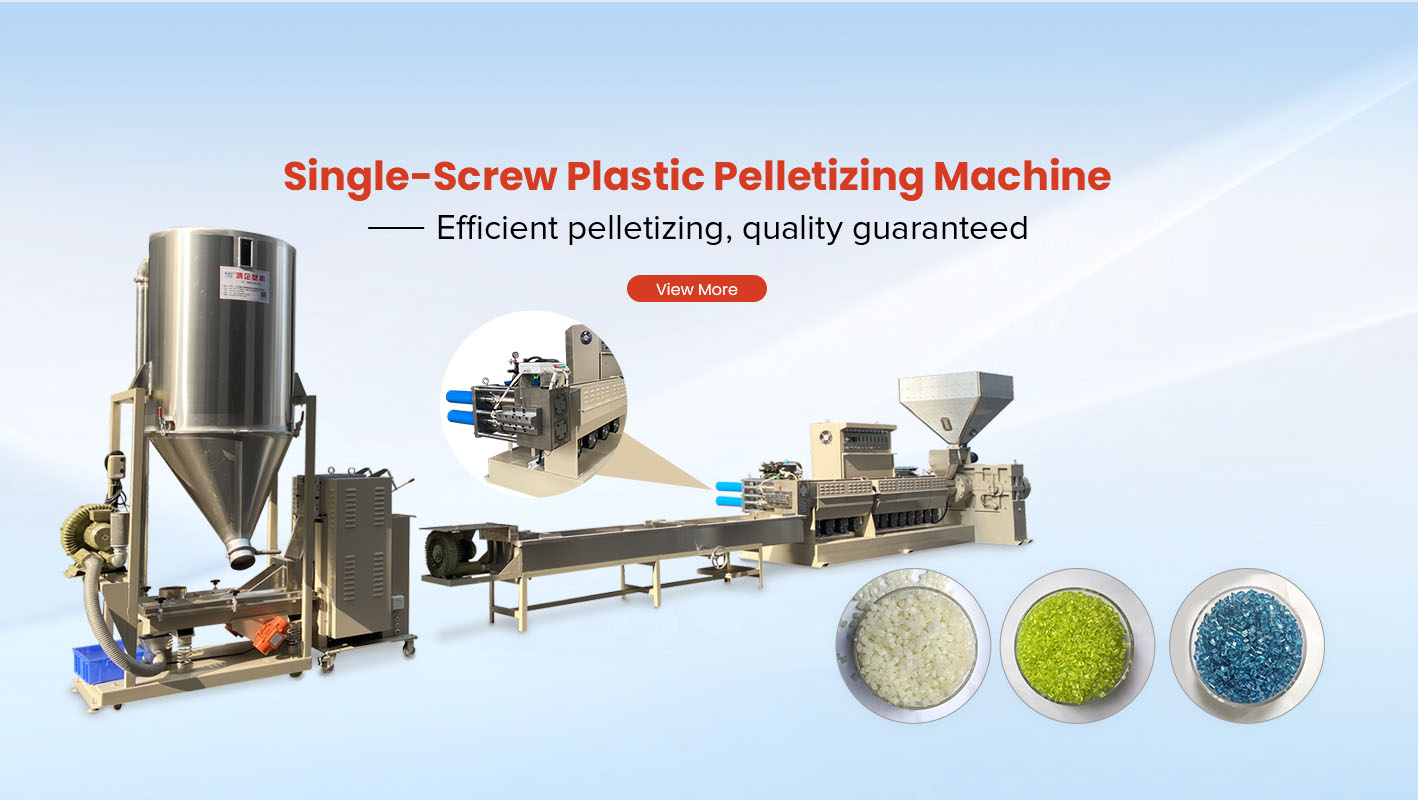
A pelletizer machine is not something most buyers replace quickly. In a real factory, people expect it to keep running for years, not months. So when someone asks about lifespan, the better question is usually this: how long will it keep running well under the material, output, and working conditions you actually have?
That matters because pelletizers do not wear out in one simple way. Some run for a long time with stable output because the material is clean, the settings are right, and maintenance is done on time. Others lose performance much earlier because the line is overloaded, the strands are unstable, or the cutting section is forced to handle conditions it was not set up for.
Lifespan Depends More On Working Conditions Than On A Single Number
There is no honest fixed lifespan for every pelletizer. A machine used in steady production with matched material and proper upkeep will usually last much longer than one working under constant strain. In practice, blade wear, strand stability, motor load, feeding consistency, and operator habits all affect service life.
That is why experienced buyers do not only ask how long a machine lasts. They also ask what material it will run, how many hours per day it will work, and whether the cutting system is suited to soft plastics, rigid plastics, or both. Those points shape real lifespan much more than a headline promise ever could.
The Cutting Section Usually Tells You A Lot
In a strand pelletizing line, the cutting area is one of the first places where buyers see the difference between a well-matched machine and a badly matched one. If the strands are uneven, knotted, or unstable, the cutter has to work harder. Over time, that affects wear, pellet quality, and maintenance frequency.
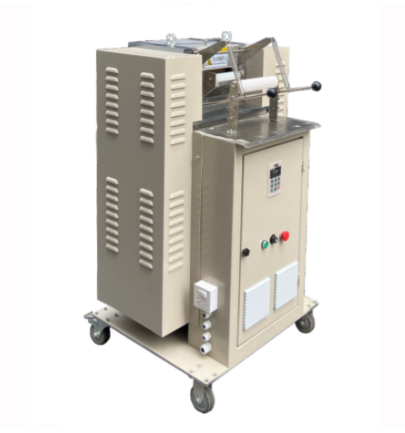
This is one reason a Strand Pelletizer needs more than a strong motor. It also needs a cutter design that can cope with changing strand conditions. The machine on this line uses a spring-loaded cutter system designed to adapt to unstable strands, including uneven thickness and knots, while still cutting them into uniform pellets. It is also positioned for both soft and rigid plastics, with different blade materials used for better cutting performance.
Machine Size And Output Change The Long-Term Picture
Lifespan is also tied to how hard the machine is being pushed. A pelletizer that is sized correctly for the line usually lives a calmer life than one that is constantly forced to work near its upper limit. The Strand Pelletizer range here covers four models, with power from 3 kW up to 11–15 kW and capacity from about 80–150 kg/hr up to 500–1000 kg/hr.
For B-end buyers, that matters because a lower upfront price on an undersized unit can become more expensive later. If the machine is always overloaded, the lifespan question becomes a maintenance question very quickly.
Stable Operation Extends Useful Life
A machine usually lasts longer when it runs smoothly. This pelletizer line is built with a variable frequency drive for speed control, and it is described as energy-saving, quiet in operation, and suitable for high-output pelletizing work. The same page also emphasizes durable construction and long-term reliability.
That matters in daily production. Noise, vibration, and unstable strand feeding do not just affect comfort. They often affect wear. A pelletizer that runs in a more controlled way is usually easier to keep in service over time.
Material Range Matters Too
Some buyers focus on output first, but material range also affects machine life. This strand pelletizer is described for a wide range of thermoplastics, including PP, PE, ABS, PC, and other engineering plastics.
That is important because the closer the machine is matched to the material mix, the more predictable the wear pattern usually becomes. For factories running engineering plastics, masterbatch, or other polymer products, that kind of matching matters as much as the machine itself. The same page positions the line for plastic pelletizing operations where consistent pellet size and reliable output are important.
Buyers Usually Need More Than A Basic Machine
In real purchasing, lifespan is tied to support as much as hardware. A distributor, recycler, or compounding plant is not only buying one machine. They are buying uptime, repeatability, and fewer interruptions later. That is why many project buyers think in broader OEM/ODM terms even with machinery: not always a completely new design, but a machine choice and line setup that fit their own process instead of forcing the process to fit the machine.
The modular design described for this pelletizer helps here. It is presented as easy to integrate into existing production lines and available in multiple models for different production needs. For buyers, that usually means a better chance of getting a setup that stays useful for longer instead of becoming a compromise from day one.
Conclusion
So, what is the lifespan of a pelletizer machine? In real production, it depends less on one number and more on how well the machine matches the material, output, and working conditions. A pelletizer that is sized correctly, runs steadily, and is maintained properly can stay productive for a long time. A machine that is always struggling with unstable strands or the wrong workload will show wear much sooner.
That is why it makes sense to look at the whole application, not just the machine name. If you are comparing a Strand Pelletizer for recycling, compounding, or polymer pelletizing work, and you want to discuss output range, material type, or line matching before you decide, send over your production details. It is usually much easier to judge the right machine once the real process is clear.