Ordering an extruder is never only about choosing a machine size. For most buyers, the real concern is whether the equipment can match the material, output target, workshop conditions, and long-term production plan. A machine may look suitable on paper, but if the screw design, feeding method, control system, or after-sales support does not match the job, the cost of correction later can be much higher than the original purchase price.
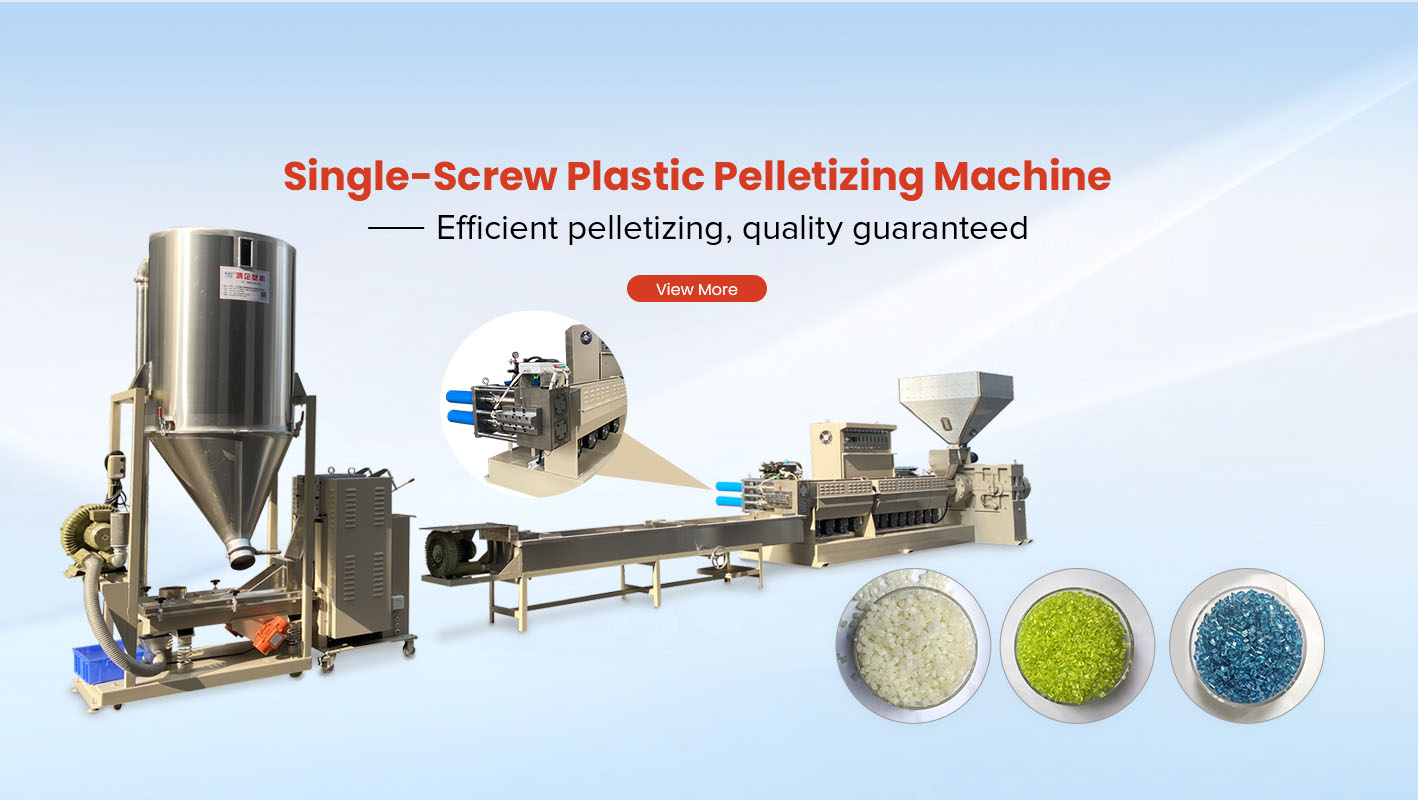
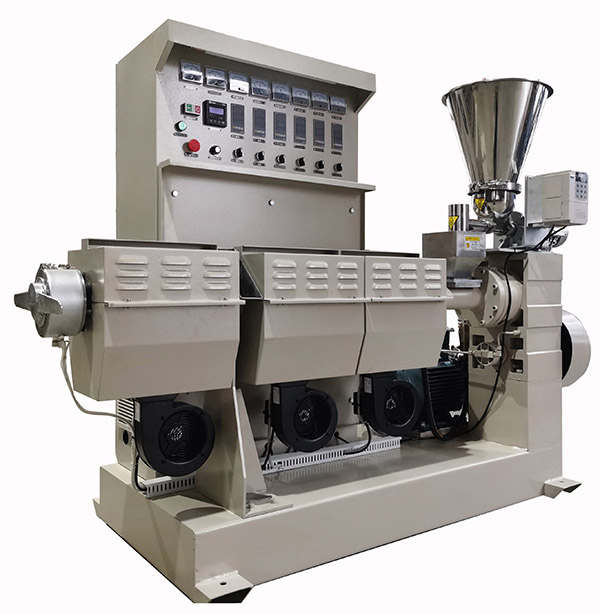
That is why buyers usually check far more than a quotation before moving forward. Even when the final demand is for a Twin screw extrusion line, many buyers first compare different granulation and pelletizing options to understand what fits their current production stage. Our product is a small-output plastic granulation machine designed for recycling and granule production, and it is especially suitable for labs, trial production, and small factories. This kind of equipment is often a practical starting point for buyers who want to verify materials, test formulations, or begin with controlled output before expanding capacity.
Material Compatibility Comes First
The first thing buyers should check is not the machine price, but the material itself. Different plastics behave very differently during melting, mixing, venting, and pelletizing. If the machine is not matched to the actual material condition, output stability and pellet quality will suffer.
In real purchasing work, this means buyers need to confirm whether the machine is being used for clean raw material, crushed scraps, flakes, powders, or mixed recycled feedstock. They also need to think about whether the material needs only melting and pelletizing, or whether it also needs stronger mixing and dispersion.
Our product is suitable for a wide range of materials and is often used in small recycling and processing work. That makes it useful for buyers who are still evaluating raw material behavior before investing in a larger setup. For many factories, this step helps reduce trial-and-error cost.
Output Capacity Should Match Real Production Goals
Output is one of the most common points buyers ask about, but it is also one of the easiest to misunderstand. A quoted capacity only has value when it matches the actual material, formula, and operating conditions.
Some buyers focus too much on a high number and forget to ask whether that capacity is stable over long runs. Others order equipment that is too large for their current demand, which increases power consumption, floor space pressure, and operating cost. On the other hand, choosing a machine that is too small can slow delivery and limit future orders.
This is why capacity planning should be practical. Buyers need to think about present order volume, future expansion, operator skill level, and how often material types will change. Our product is aimed at small-output work, which is often a better fit for sample production, recycling trials, and smaller batch processing where flexibility matters more than scale.
Screw Design And Process Logic Need Careful Review
For extrusion equipment, the screw is one of the most important parts to review. Buyers should never treat screw design as a minor detail. It directly affects melting stability, mixing quality, pressure build-up, and final pellet consistency.
This matters even more when buyers are comparing a single-screw solution with a Twin screw extrusion line. A twin-screw setup is often considered when the material needs stronger mixing, better dispersion, filler addition, color masterbatch processing, or more demanding compounding work. In contrast, a smaller granulation machine may be more suitable when the production target is straightforward pelletizing with simpler processing logic.
Good suppliers do not only ask what output you want. They ask what material you are running, what additives are involved, how clean the feedstock is, and what pellet quality you expect. Those questions help prevent mismatch before production starts.
Feeding, Control, And Operation Affect Daily Efficiency
A machine that looks good in a catalog still needs to work well on the shop floor. Buyers should check how material is fed, how temperature is controlled, and whether operators can adjust settings without unnecessary difficulty.
Daily production depends on practical details. If feeding is unstable, output becomes inconsistent. If temperature control is weak, material quality may fluctuate. If the interface is hard to understand, downtime and operator errors become more likely. These issues are especially important for factories that do not want long training cycles or repeated process interruptions.
Our product is built for simple operation and compact use, which is why it fits smaller workshops and limited-space setups well. For buyers starting a new line or handling frequent material trials, ease of operation can make a real difference in overall efficiency.
Workshop Space And Utility Conditions Should Not Be Overlooked
Many equipment problems start before the machine is even turned on. Buyers sometimes focus only on process requirements and forget to check installation conditions inside the factory.
Before ordering, it is important to confirm available floor space, power supply, ventilation, cooling conditions, and material flow around the machine. A compact machine can be easier to place and faster to commission, especially for smaller workshops or facilities that are adding a new process without redesigning the entire floor.
This is one reason smaller granulation equipment remains attractive in the market. It helps buyers start production with lower space pressure while keeping room for process verification and later expansion.
Spare Parts And Service Support Matter In Bulk Business
Experienced buyers know that equipment value is not judged only on delivery day. It is judged over months and years of operation. That is why service support should always be part of the buying decision.
Before ordering, buyers should ask how spare parts are supplied, how technical issues are handled, and how quickly the supplier can respond if there is a shutdown problem. They should also confirm whether the supplier can support future adjustments if material types or production targets change.
This is especially important for distributors, project buyers, and factories planning long-term cooperation. Stable communication and workable support reduce risk far more effectively than choosing the lowest initial price.
Customization Should Be Discussed Early
Many buyers today do not want a machine that is only standard. They want equipment that can better match their own materials, plant conditions, and sales plans. That is where OEM and ODM discussion becomes useful.
In extrusion and pelletizing projects, customization may involve screw configuration, motor selection, feeding setup, control layout, voltage standard, and other practical details. These points are easier to handle before production begins than after the machine is finished.
For buyers serving different markets or processing special materials, early communication with the supplier often saves time and avoids unnecessary modification later. A supplier should not only sell equipment, but also help the buyer choose a more suitable direction.
Conclusion
Before ordering an extruder, buyers should look beyond the quotation and focus on material fit, real output, screw design, operating convenience, workshop conditions, and long-term support. These checks help avoid costly mismatch and make the equipment more useful from the first production run.
Our product is a practical option for buyers who need small-output plastic granulation equipment for recycling, trial production, or flexible factory use. If you are comparing machine options and are not sure which configuration suits your material or production target, feel free to contact us. We can help review your processing needs, discuss suitable solutions, and provide guidance before you move into sampling or formal ordering.