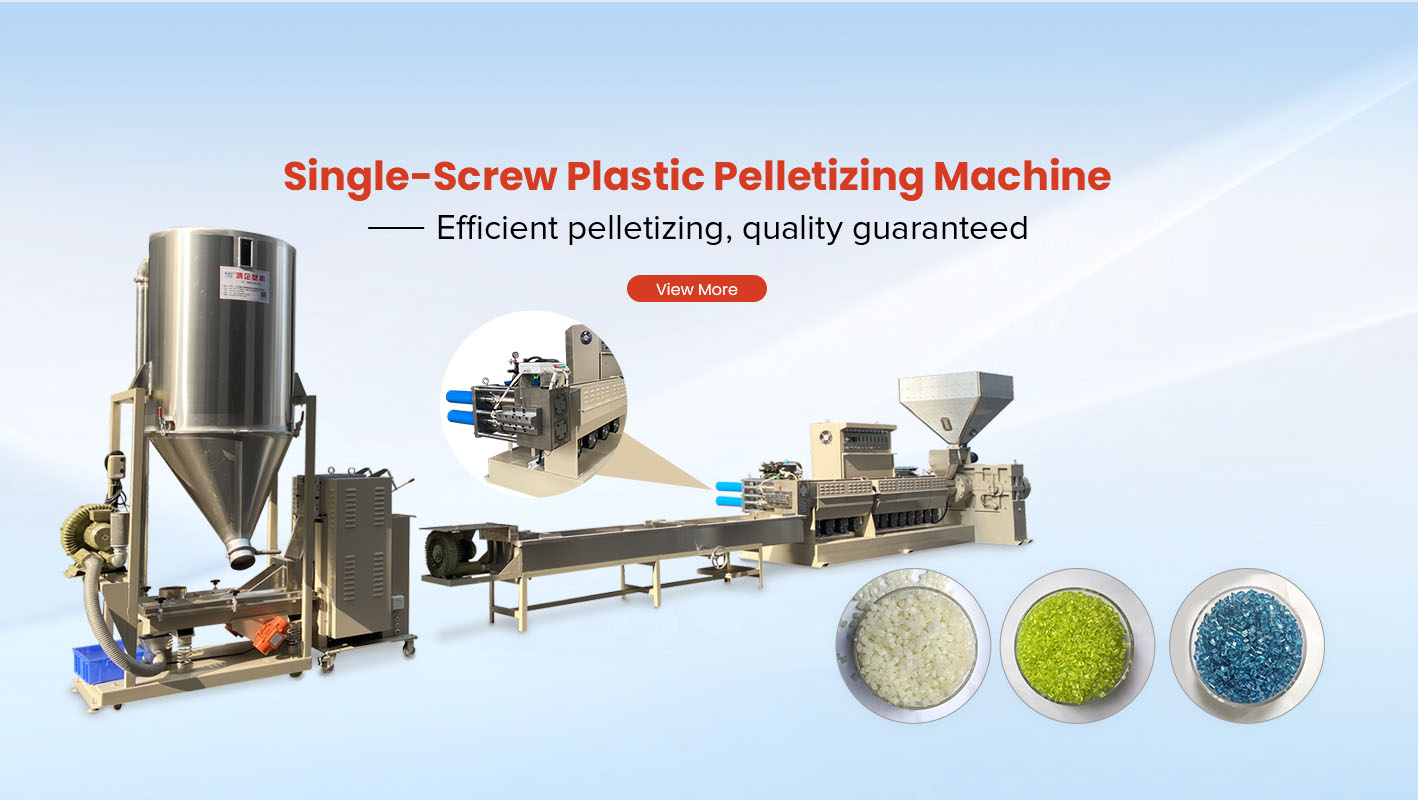
Buying a plastic extrusion line is rarely just about price. For most factory owners, project buyers, and distributors, the real question is whether the line can run steadily, produce uniform pellets, fit the target material formula, and keep long-term production costs under control. A machine that looks competitive at the quotation stage can become expensive later if output is unstable, maintenance is frequent, or the pellets do not meet downstream processing requirements.
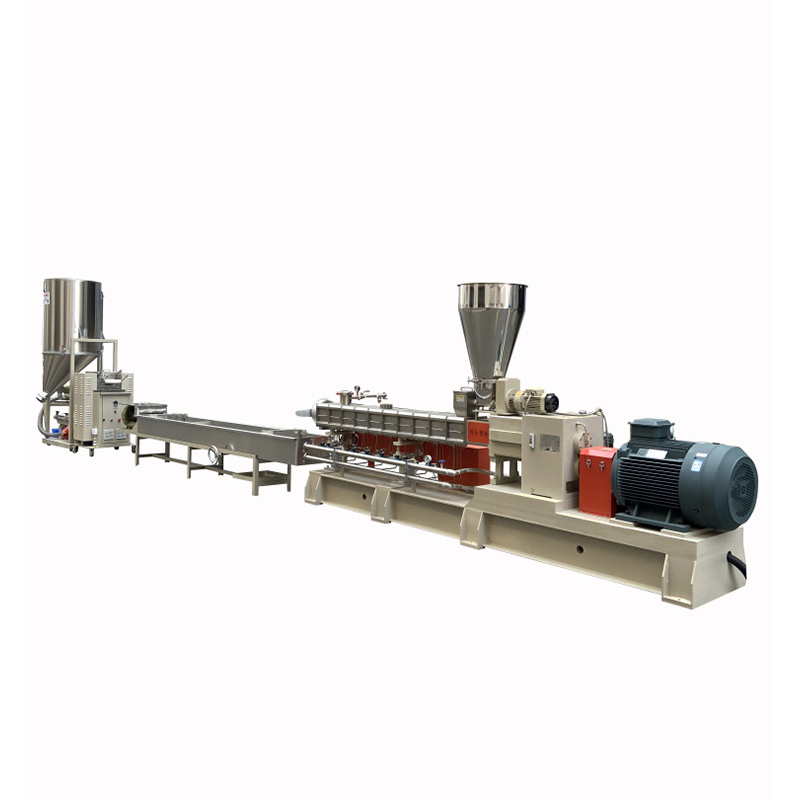
That is why buyers should look beyond the basic specification sheet. A good extrusion line should match your material type, production target, plant layout, and final application. If your line is mainly used for recycling, compounding, or masterbatch production, the decision should focus on process stability and material adaptability first. Our twin screw extruder solution is built for these demanding processing tasks, so it is a practical reference point when evaluating what really matters before purchase.
Processing Capability Should Match Your Materials
The first thing to check is whether the line is suitable for the materials you actually plan to process. Many buyers compare machines by motor size or output only, but that does not solve the real production issue. Different plastics behave very differently inside the barrel. A line that works well for a simple material may not perform well when processing filled compounds, recycled plastics, engineering polymers, or heat-sensitive formulas.
For this reason, buyers should confirm whether the extrusion line can handle applications such as PE, PP, ABS recycling, engineering plastic modification, masterbatch production, thermoplastic elastomer processing, or highly filled compounds. If your product range includes several material systems, flexibility becomes even more important. Our product is positioned for compounding, extrusion, and pelletizing in plastic, rubber, and chemical processing, which makes it relevant for customers who need broader material adaptability rather than a single narrow use case.
Output Stability Is More Important Than Peak Capacity
Many buyers are attracted by high output figures, but stable output is usually more valuable than a high number on paper. In real production, unstable discharge leads to pellet inconsistency, process interruptions, wasted raw material, and extra labor. For a B2B buyer, that directly affects production planning and delivery commitments.
When checking a line, ask how output performs during continuous operation and whether the machine can adapt to different formulations without major fluctuation. A well-designed line should maintain steady feeding, melting, mixing, degassing, and pelletizing, especially when running over long shifts. If you are supplying molded parts, compounded pellets, or custom material blends to downstream customers, stable hourly throughput matters much more than short-term maximum output.
Screw Design And Mixing Performance Need Careful Review
The screw system is the heart of the extrusion line. Buyers should understand whether the machine uses a twin screw design suited for strong dispersion, homogenization, and mixing. This is especially important when dealing with fillers, pigments, reinforcing materials, or recycled feedstock.
A twin screw system is often chosen because it gives better control over shearing, compression, and material distribution. That becomes valuable in applications where formula consistency affects final product performance. Our extrusion line uses a twin screw structure and is intended for mixing, melting, and pelletizing tasks that require stronger process control than a simpler line can usually provide. If your business involves compounding or modification, this point deserves close attention.
Temperature Control Affects Pellet Quality
Temperature control has a direct effect on product consistency. If heat distribution is unstable, materials can degrade, discolor, or carbonize, especially when processing heat-sensitive plastics or additive-heavy formulations. This is one of the most common hidden reasons behind poor pellet appearance and unstable physical properties.
Before buying, check how many heating zones the machine has, how accurate the control system is, and whether the line is suitable for maintaining stable process temperatures across different materials. For buyers producing engineering compounds, masterbatch, or elastomer pellets, precise thermal control is not an extra feature. It is a production requirement.
Degassing And Pelletizing Quality Should Not Be Overlooked
Many buyers focus on the main extruder and pay less attention to degassing and pelletizing. That is a mistake. If volatiles, moisture, or trapped gases are not removed properly, pellet quality can drop quickly. Poor pelletizing performance can also create uneven granules, dust, or extra screening work.
A good line should have a vacuum system that supports effective degassing and a pelletizing system that can produce uniform particle size. This matters even more in recycled material processing, where feedstock variation is common. For buyers serving molding factories or compound users, pellet uniformity is a key quality issue because it affects feeding, melting, and product consistency later in the chain.
Wear Resistance And Maintenance Cost Shape Long-Term ROI
Initial purchase price is easy to compare. Long-term wear cost is harder to see, but it often has a bigger impact on return on investment. Extrusion lines running abrasive fillers, recycled plastics, or high-output production need durable screws, barrels, blades, and mechanical parts.
Buyers should check the material quality of major wear parts, the durability of the barrel and screw, and how easy it is to replace consumables during maintenance. It is also important to ask about routine service intervals and practical maintenance requirements. A supplier that can explain cleaning frequency, lubrication checks, electrical inspection, and blade replacement clearly is usually better prepared for long-term customer support.
Plant Layout, Energy Use, And Operator Control Also Matter
A plastic extrusion line is not bought for a showroom. It has to fit into a real workshop. That means buyers should review line length, cooling arrangement, feeding method, pelletizing layout, and control convenience before placing an order. A machine that is difficult to install or operate can slow down production even if the core extruder is technically strong.
Energy efficiency also deserves attention. In bulk production, power consumption becomes part of every kilogram produced. A line with stable motor control and efficient energy use can reduce operating cost over time. For project buyers managing multiple machines or planning capacity expansion, this point is often closely tied to profitability.
Supplier Support Can Be The Difference Between A Smooth Project And A Delayed One
The extrusion line itself is only part of the purchase. Supplier support is the other part. Overseas buyers usually need more than equipment delivery. They may also need technical guidance, installation support, commissioning advice, Spare Parts planning, and a clear lead time for production and shipment.
This is where supplier capability matters. A serious supplier should be able to discuss machine configuration, application matching, production planning, and service response in a practical way. If your project has special output targets, material formulas, or plant conditions, OEM and ODM support can also become useful during the equipment planning stage. For distributors and industrial buyers, that flexibility often helps shorten project cycles and improve fit with market demand.
Application Fit Should Be Clear Before You Decide
A plastic extrusion line should always be chosen based on application, not just equipment appearance or headline specifications. In real purchasing, the best line is the one that matches your raw materials, your production process, and your downstream customer requirements.
This is especially true if your business involves recycling and granulation, engineering plastic modification, color masterbatch production, elastomer pelletizing, or high-filler compounding. In these applications, a well-configured plastic granulation Line can help improve mixing uniformity, pellet consistency, and production efficiency while reducing waste and rework. That is where the real value of the line shows up.
Conclusion
Before buying a plastic extrusion line, buyers should check much more than output and price. Material compatibility, mixing performance, temperature control, degassing ability, pellet uniformity, wear resistance, energy use, and after-sales support all have a direct impact on long-term production results. A line that fits your actual process will help you control quality better, reduce operating risk, and support more stable delivery performance.
Our twin screw extrusion solution is suitable for processors who need stronger mixing, flexible application handling, and stable pelletizing performance in recycling, compounding, and modification projects. If you are comparing options and are not sure which configuration fits your materials or production target, contact us for practical guidance. We can help review your requirements and suggest a more suitable line for your application and output plan.