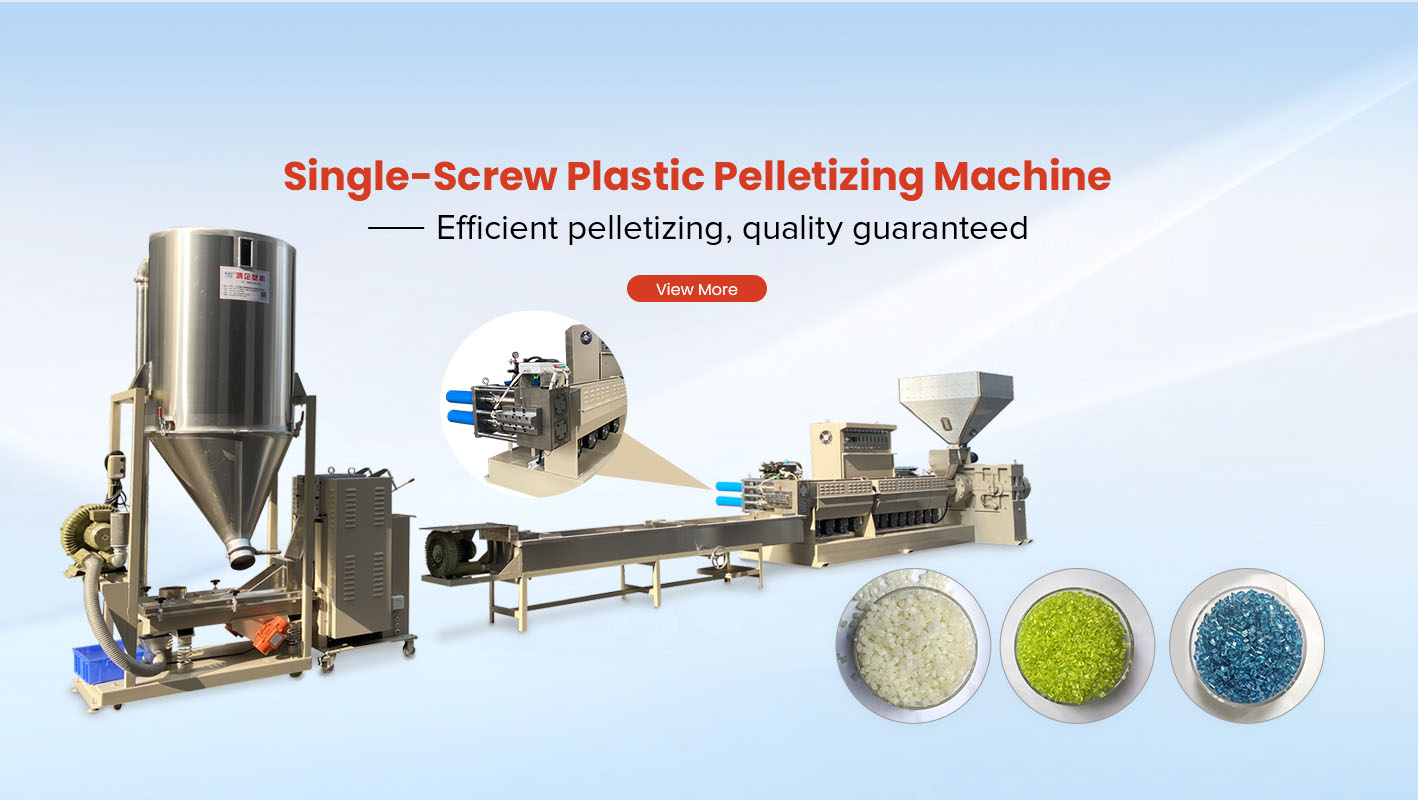
Cutting stability directly affects output quality, material waste, machine downtime, and delivery efficiency. In plastic pelletizing, rubber processing, strip cutting, and continuous material production, unstable cutting can cause uneven sizes, rough edges, blocked discharge, or repeated machine adjustment.
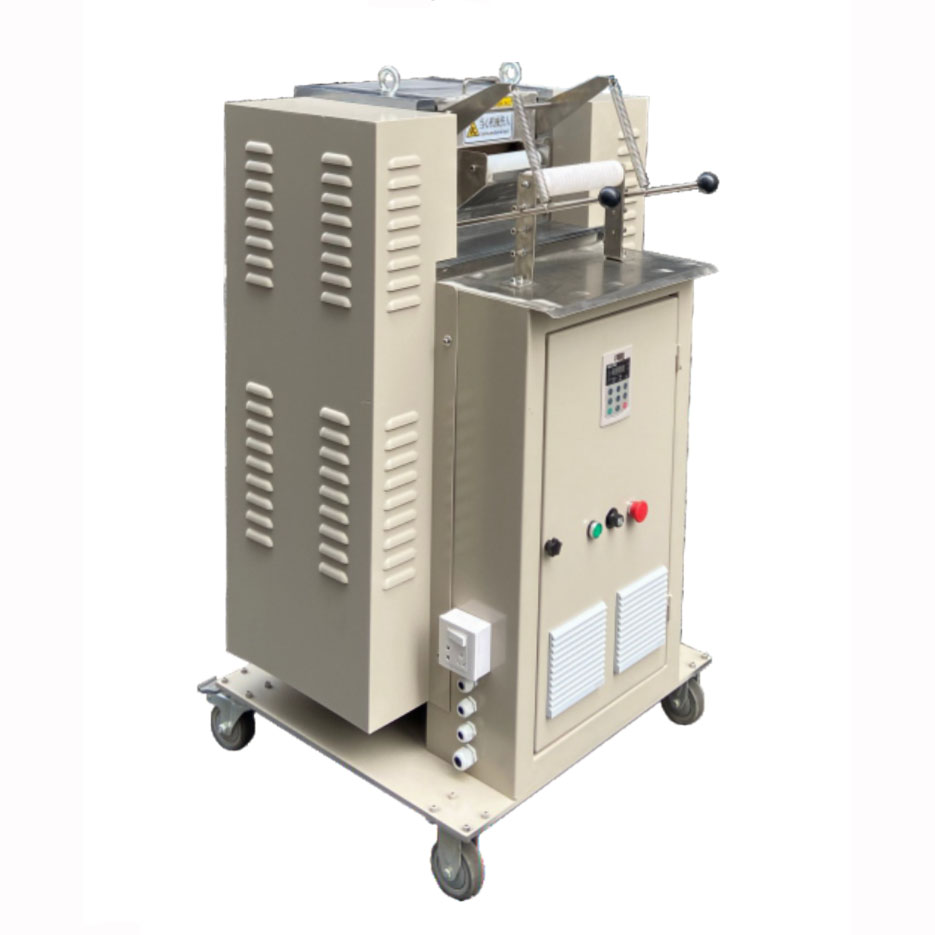
A rubber sheet cutting machine is often discussed in relation to cutting accuracy, but the same stability logic also applies to strand pelletizing equipment. Our Strand Pelletizer is designed for factories that need stable cutting performance after extrusion, especially in plastic recycling, pellet production, modified plastics, and material processing lines.
Material Condition Before Cutting
Cutting stability starts before the material reaches the blade. If the material is too soft, too hot, too wet, or uneven in thickness, the cutting result will become unstable. In extrusion pelletizing, strands must be properly cooled and shaped before entering the pelletizer. If cooling is not enough, pellets may stick, deform, or break unevenly.
For factories, this means cutting equipment should be matched with the full production process. Feeding, cooling, traction, and cutting must work together to keep the output stable.
Blade Quality And Cutting Gap
The blade is one of the most important parts affecting cutting stability. A sharp and properly installed blade helps create cleaner and more uniform cuts. A worn blade may increase dust, burrs, uneven pellet length, and machine vibration.
The cutting gap should also be controlled carefully. If the gap is too large, the material may tear instead of cut. If it is too tight, blade wear and motor load may increase. For B-end buyers, blade adjustment convenience is important because it affects maintenance time and production continuity.
Feeding Speed And Traction Control
Stable feeding speed helps maintain consistent cutting length. If the traction speed changes during operation, the final material size will also change. In strand pelletizing, stable pulling force keeps strands moving smoothly into the cutter.
Factories should avoid sudden speed changes, unstable feeding, or material accumulation before the cutting section. A good machine structure helps operators keep the process controlled, especially during long production runs.
Machine Structure And Vibration Control
Cutting stability also depends on the machine frame, motor, transmission system, and cutter assembly. If the structure vibrates during operation, the cutting result may become uneven. Over time, vibration can also increase wear and reduce equipment life.
A stable machine frame and reliable transmission system help reduce shaking during production. For industrial buyers, this matters because cutting equipment often runs for long hours. Strong structure supports better output consistency and lowers maintenance pressure.
Maintenance Habits And Wear Control
Even a good machine can lose stability without proper maintenance. Dust, material residue, worn bearings, loose fasteners, and dull blades can all affect cutting quality. Planned maintenance helps reduce unexpected downtime and keeps production more predictable.
Key maintenance points include:
Checking blade sharpness regularly
Cleaning the feeding and cutting area
Inspecting bearings and transmission parts
Tightening fasteners after long operation
Monitoring motor load and vibration
Replacing worn parts before failure
For factories with continuous production, preventive maintenance is usually cheaper than emergency repair.
Supplier Support For Production Matching
Cutting stability is not only a machine issue. It also depends on whether the equipment is suitable for the buyer’s material, output target, and production line layout. A reliable supplier should help confirm material type, extrusion speed, strand size, expected pellet length, and capacity requirements before production.
As a machinery supplier, HONGQI supports buyers with equipment selection, OEM / ODM customization, production matching, and bulk machinery supply. This helps factories choose cutting and pelletizing equipment that fits real operating conditions.
Conclusion
Cutting stability in production is influenced by material condition, blade quality, cutting gap, feeding speed, machine structure, vibration control, and maintenance habits. For factories, stable cutting means less waste, fewer adjustments, smoother output, and better delivery control.
Our Strand Pelletizer is suitable for plastic extrusion lines, recycling plants, pellet production workshops, and material processing factories that require consistent cutting performance. For buyers comparing a Rubber Sheet Cutting Machine or other industrial cutting solutions, we can help review material characteristics, capacity needs, and production layout before recommending suitable equipment.
For machine configuration, cutting requirements, OEM / ODM needs, or production line matching, you can contact us with your material details and target output. We can provide practical guidance for your next equipment purchase.