If you run a plastics recycling plant or a post-industrial processing facility, you know that your entire operation only moves as fast as your sizing equipment. You can invest in the most expensive washing lines and high-end pelletizing extruders on the market, but if your front-end size reduction stage gets backed up, your whole factory comes to a grinding halt. Many recycling shop managers try to cut corners by sourcing cheap, underpowered crushing hardware to save on initial capital setup. But when that equipment struggles with thick-walled scrap or high-impact polymers, your daily output plummets, turning a supposedly high-capacity recycling line into a frustrating, low-yield money pit that eats up your profit margins.
The Real Cost of Frequent Jams and Constant Downtime
The biggest headache on a busy plant floor is unexpected downtime. A worker drops a heavy chunk of thick scrap or a tangled bundle of loose film into the hopper, and within ten minutes, the motor strains, the drive belts slip, and the entire system jams.
When your team has to stop production, lock out the power source, and spend two unpaid hours manually clearing a choked cutting chamber, you aren't just losing time—you are burning through cash. Poorly engineered material processing setups cause irregular material feeding, which forces your downstream pelletizers to run half-empty or overheat from erratic feed rates. Instead of pumping out clean, uniform regrind ready for compounding, your laborers spend their billable hours doing tedious maintenance work and fixing blade alignments, while your monthly power bills keep climbing.
Heavy-Duty Engineering That Keeps Your Production Lines Moving
Most processing failures happen because the cutting chamber lacks the physical torque and proper knife geometry to handle diverse plastic scrap. Cheap units use low-grade steel blades that dull after a few shifts, resulting in excessive plastic dust, uneven particle sizes, and continuous thermal buildup that melts the plastic inside the machine before it can even pass through the screen.
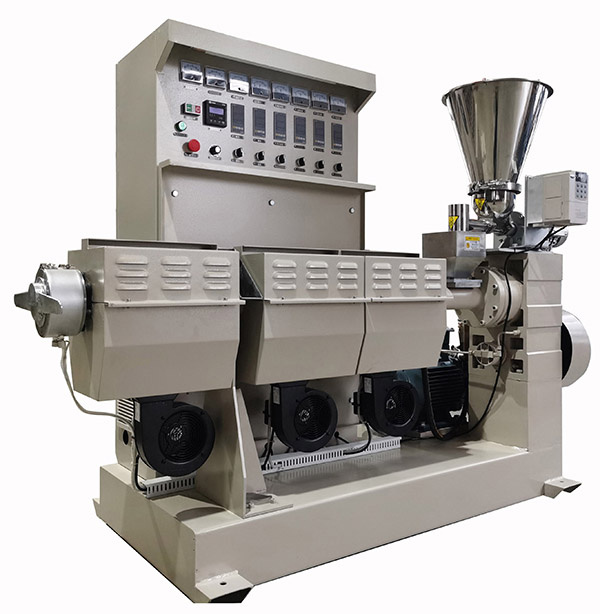
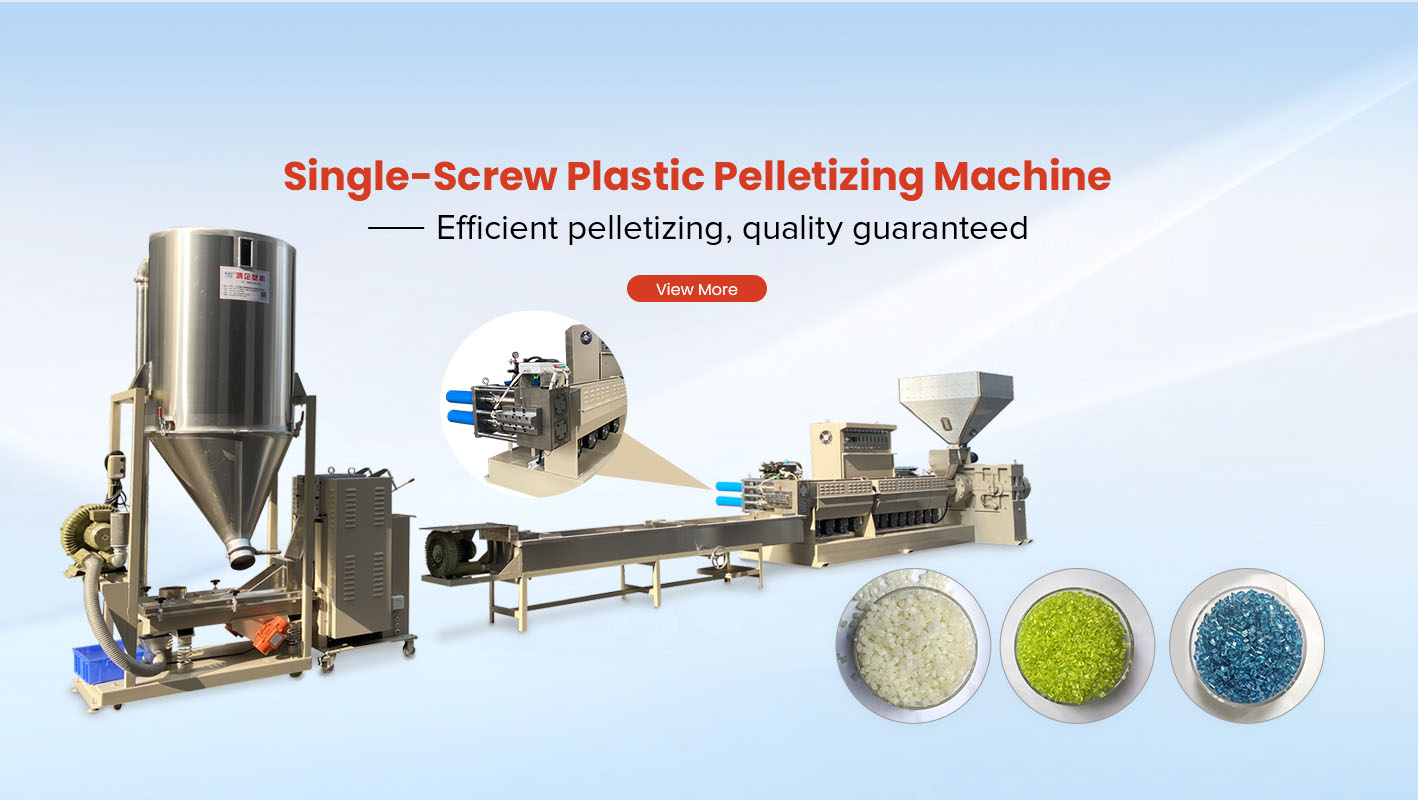
Our manufacturing shop cuts out those production bottlenecks by engineering rugged, high-torque shredding platforms that chew through heavy industrial waste without breaking a sweat. For factory owners and procurement buyers who want a reliable processing system that eliminates material bridging, looking into our compact production models like ourSmall Output Plastic Granulation Machineshows how tough we build our hardware.
We forge our granulator machine for plastic knife assemblies from ultra-hard, wear-resistant D2 alloy steel, arranging them in an aggressive staggered-cut configuration that shears through dense purges and thin films with equal ease. This optimized cutting angle significantly reduces the physical impact on the main rotor shaft, which lowers your motor energy draw and prevents overheating. Standardizing your prep yard on our heavy-duty granulator machine for plastic design ensures your extrusion lines receive a steady, perfectly sized regrind 24/7, keeping your final pellet quality flawless and stopping customer rejection hassles before they start.
Conclusion
Keeping your recycling business profitable means running an efficient, smooth-flowing yard that doesn't rely on constant manual troubleshooting. Upgrading to a custom-configured sizing setup is the easiest way to protect your downstream extruders, minimize structural blade wear, and make sure your processing line hits its daily tonnage goals without unexpected breakdowns.
If your plant supervisors are struggling to handle a new, difficult grade of scrap polymer or looking to retrofit an aging grinding line, our technical lab can run a direct evaluation on your material. Contact our machinery layout desk this week to schedule an actual test grind using a physical sample of your toughest factory waste. We will analyze the shear resistance, provide a custom blade-configuration report, and outline a direct, factory-backed equipment plan to help scale up your hourly tonnage immediately.