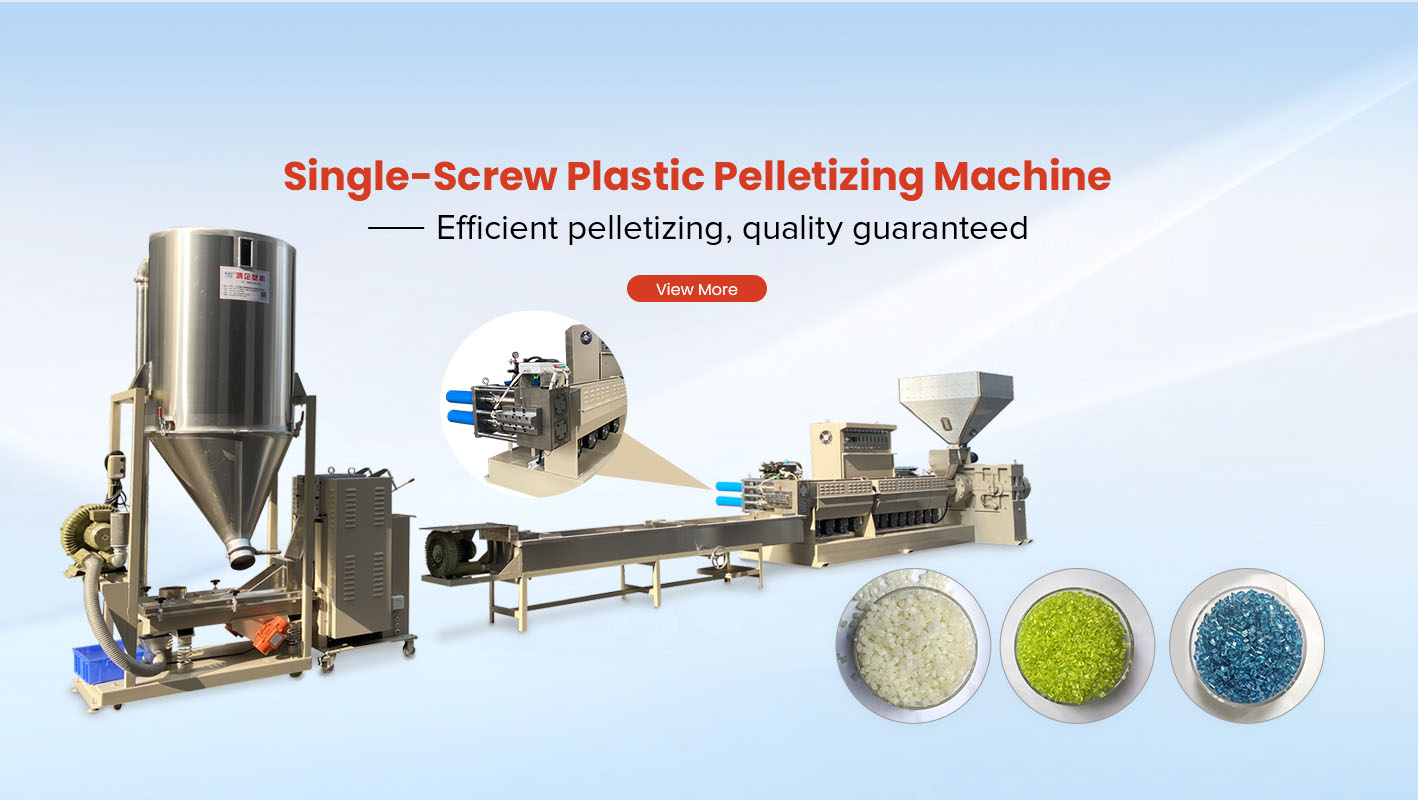
Extrusion machines play a central role in modern plastics manufacturing, transforming raw polymer materials into sheets, pellets, profiles, pipes, films, and molded components. Understanding which plastics are compatible with extrusion is essential for ensuring stable production, desired material properties, and long-term efficiency. Different polymers respond uniquely to heat, pressure, and mechanical shearing, so the choice of resin directly influences the quality of the extruded product.
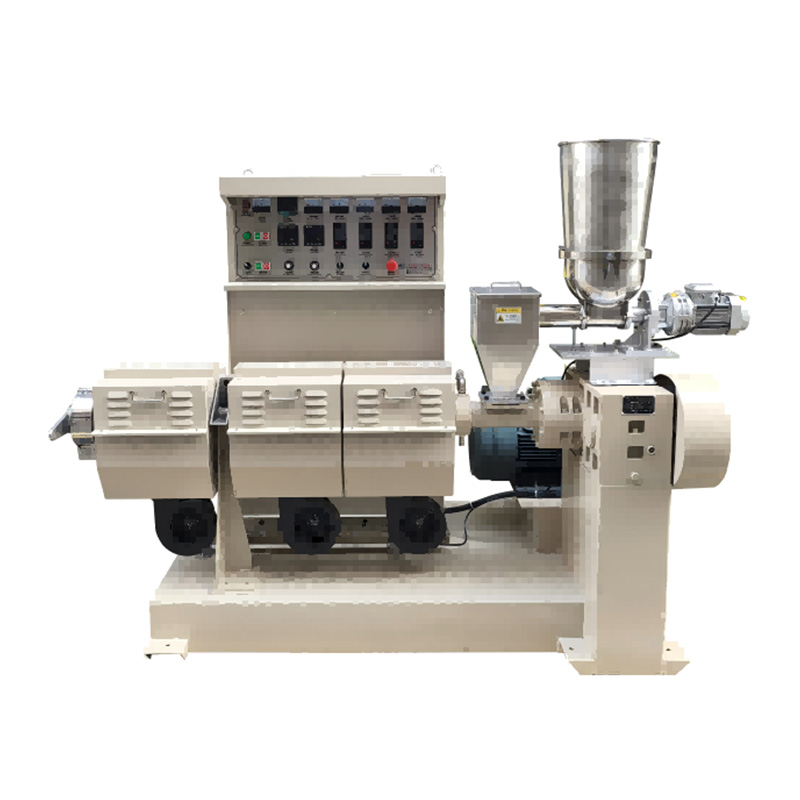
For manufacturers focused on pellet production, recycling, material modification, or masterbatch preparation, high-performance equipment such as the HONGQI Single Screw Pelletizing Extrusion Machine ensures precise temperature control and consistent melt flow.
This article explains the major types of plastics used in extrusion, how they behave inside the extruder, and why certain materials are better suited to specific end products.
1. Thermoplastics and Their Role in Extrusion
Most plastics used in extrusion are thermoplastics—materials that can be melted, shaped, and cooled repeatedly without significant chemical changes. This behavior makes them ideal for extrusion, where the polymer must soften under controlled heat and then flow through a die to take a specific shape.
Inside the barrel of an extrusion machine, pellets or granules gradually heat under friction and thermal energy. As they melt, the rotating screw mixes them into a homogeneous molten stream. The ease with which thermoplastics transition from solid to melt and back to solid is the reason they dominate extrusion processes.
Thermoplastics are favored because:
They maintain predictable melt flow under heat
They can be reprocessed and recycled
Their properties can be modified with additives
They adapt easily to single-screw and twin-screw extrusion systems
They are compatible with a wide range of dies and molds
The HONGQI pelletizing extruder is specifically engineered to handle a broad spectrum of thermoplastics, making it suitable for granulation, compounding, and recycling lines.
2. Common Plastics Used in Extrusion
Certain plastics stand out due to their balance of melt temperature, mechanical strength, flexibility, and cost-effectiveness. The table below summarizes the most widely used extrusion materials:
| Plastic Type | Abbreviation | Key Properties | Common Extruded Products |
|---|
| Polyethylene | PE | Flexible, chemical-resistant | Film, pipes, bags, sheets |
| High Density Polyethylene | HDPE | Strong, stiff, durable | Water pipes, containers, panels |
| Polypropylene | PP | Heat-resistant, lightweight | Furniture, housewares, fibers |
| Polyvinyl Chloride | PVC | Rigid or flexible options | Profiles, doors, cables |
| Acrylonitrile Butadiene Styrene | ABS | Impact-resistant, tough | Housings, panels |
| Polystyrene | PS | Lightweight, good flow | Sheets, packaging trays |
| Polycarbonate | PC | Transparent, high strength | Light diffusers, shields |
| Thermoplastic Elastomers | TPE | Rubber-like flexibility | Seals, grips, soft profiles |
Each material is selected based on its melting point, viscosity behavior, tensile strength, and compatibility with the intended product. When working with pelletizers such as the HONGQI machine, these polymers can be processed into uniform pellets ready for further extrusion or injection molding.
3. Polyethylene (PE) and Polypropylene (PP): The Most Versatile Extrusion Plastics
PE and PP are among the most commonly extruded plastics worldwide due to their excellent processability and broad application range. Their melt behavior is stable and predictable, making them suitable for both beginners and high-volume industrial operations.
Why PE is widely used
Polyethylene has a low melting temperature and excellent melt flow, enabling:
Smooth film extrusion
Flexible tubing production
Lightweight sheet formation
Protective packaging manufacturing
Multiple grades such as LDPE, LLDPE, and HDPE offer different stiffness levels. HDPE, in particular, is used for pipes, jerry cans, and structural sheets.
Why PP is a top choice
Polypropylene is favored because it offers:
PP is commonly used for plastic furniture, woven bags, living products, and automotive parts. In HONGQI extrusion lines, PP pellets can be compounded with pigments or fillers to achieve enhanced performance or desired color tones.
Both PE and PP are essential in applications such as building panels, outdoor furniture, and diffusion lighting components—materials similar to those shown in the example application images.
4. Engineering Plastics for Specialized Extrusion
Beyond basic thermoplastics, engineering plastics are used when products require additional mechanical strength, clarity, impact resistance, or heat stability. These materials often demand more precise temperature control to prevent degradation during extrusion.
Key engineering plastics include:
ABS: tough, durable, ideal for consumer electronics housings
PC: high-clarity, impact-resistant, used for LED lighting, safety shields
PA (Nylon): strong, abrasion-resistant, suitable for mechanical parts
PETG: transparent and strong, used for packaging and sheets
Each of these polymers melts at higher temperatures compared to PE or PP. Therefore, extrusion equipment must maintain consistent heating zones and stable screw pressure to avoid burn marks or discoloration.
The HONGQI pelletizing extruder is built with precise temperature control zones, which makes it suitable for compounding engineering plastics with additives such as:
UV stabilizers
Impact modifiers
Flame retardants
Color masterbatch
This ensures that engineering plastics maintain the required performance after extrusion.
5. Recycled Plastics and Their Growing Role in Extrusion
As global sustainability efforts increase, recycled plastics play an important role in extrusion. Recycled PE, PP, and PVC are among the most commonly reprocessed materials due to their high volume usage and re-melt capability.
Recycled plastics are used in:
Recycled materials often require pelletizing before reuse to ensure uniform melt behavior. This makes pelletizing extrusion machines essential in recycling lines.
Benefits of using recycled plastics:
Lower raw material costs
Reduced environmental impact
Suitable for large-volume extrusion
Compatible with colorant and additive compounding
The HONGQI Single Screw Plastic Pelletizing Extrusion Machine excels in processing recycled flakes into high-quality pellets. Its strong cutting system and stable screw design help reduce impurities, allowing recycled materials to achieve consistent extrusion performance.
Recycled plastics are particularly effective in applications such as outdoor furniture, household goods, and building components—all visible in the application images above.
6. Choosing the Right Plastic for Your Extrusion Needs
Selecting the proper resin for extrusion depends on several factors: mechanical strength requirements, chemical resistance, transparency, flexibility, processing temperature, and end application. Each polymer offers unique advantages and limitations, so understanding material behavior inside the extruder helps prevent production issues.
Important considerations include:
Required physical properties: Is the product rigid, flexible, clear, or impact-resistant?
Processing temperature: Does the chosen plastic degrade easily?
Extrusion method: Sheet, pipe, pelletizing, profile, or film?
Additive compatibility: Will fillers, stabilizers, or colors be used?
Cost efficiency: What is the price-to-performance ratio?
For pelletizing, compounding, and material preparation, a reliable machine ensures stable melt quality and consistent pellet shape. This is why many manufacturers choose high-efficiency equipment like the HONGQI pelletizing extruder, which supports a wide variety of plastics from basic PE/PP to engineered blends.
Choosing the right combination of polymer and machine creates a production environment that is efficient, predictable, and capable of meeting changing market demands.
Conclusion
Extrusion machines can process a wide range of plastics—from basic thermoplastics such as PE and PP to advanced engineering materials like PC, ABS, and Nylon. Each polymer offers different mechanical, thermal, and processing characteristics, making it suitable for specific extruded products such as building panels, light diffusers, sheets, pipes, pellets, and plastic furniture.
When paired with reliable extrusion equipment—such as the HONGQI Single Screw Plastic Pelletizing Extrusion Machine—these materials can be efficiently melted, mixed, and formed into high-quality end products. Understanding which plastics are compatible with extrusion helps manufacturers optimize performance, reduce waste, and produce consistent results across multiple applications.