Sizing a single screw extruder is one of the most important steps in establishing a stable and efficient plastics production line. The extruder’s diameter, L/D ratio, motor power, output capacity, screw design, and feeding requirements must match the characteristics of the material being processed. Choosing the wrong extruder size can lead to inconsistent mixing, low productivity, excessive energy consumption, or even material degradation.
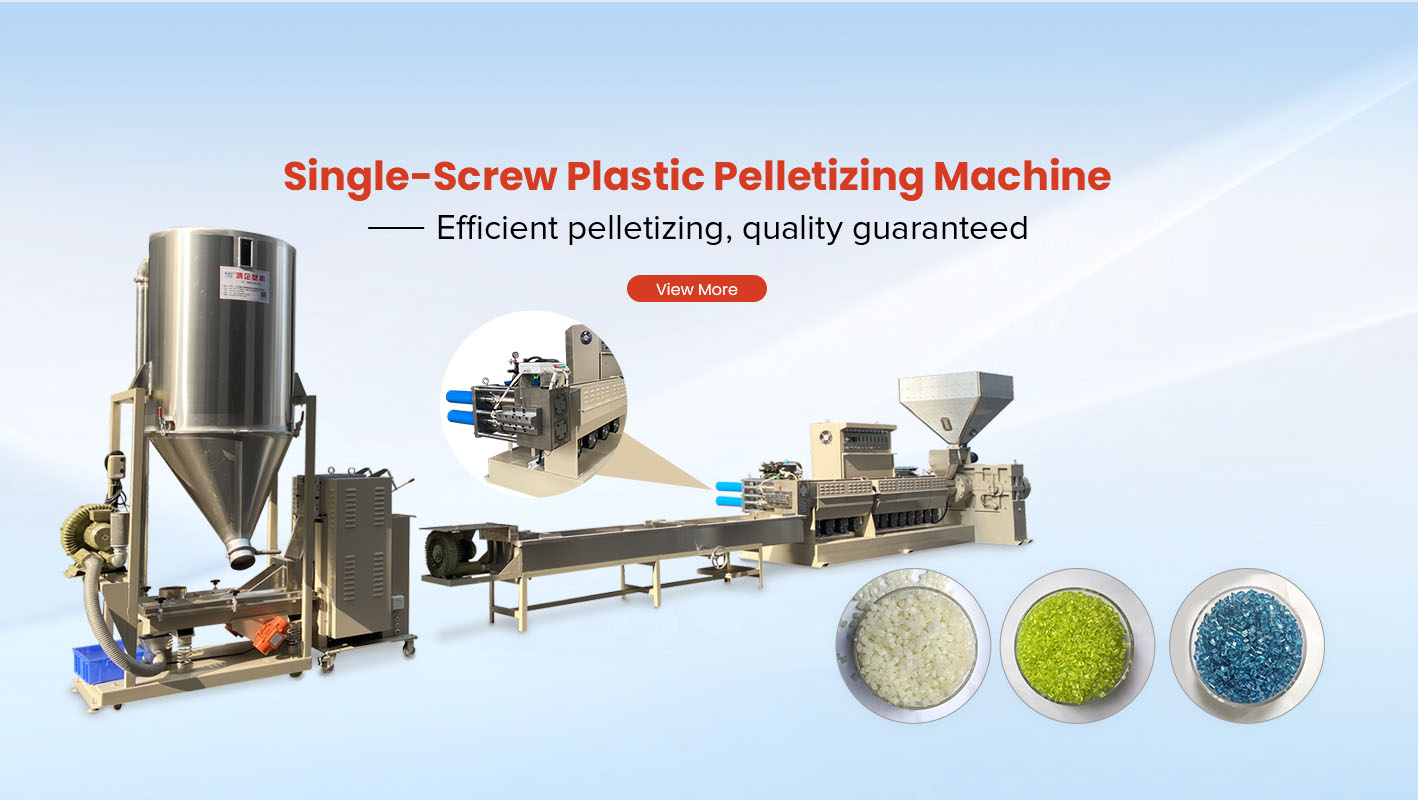
Whether a factory is producing pellets, profiles, sheets, or recycled granules, selecting the proper extruder size ensures uniform melt flow, predictable throughput, and long-term mechanical reliability. For pelletizing and material preparation, equipment such as the HONGQI Single Screw Plastic Pelletizing Extrusion Machine provides optimized configurations suitable for many plastic production environments. Explore it here:
HONGQI Single Screw Plastic Pelletizing Extrusion Machine
This guide explains how to correctly size a single screw extruder, what parameters matter most, and how different materials influence equipment selection.
1. Understanding the Key Parameters That Determine Extruder Size
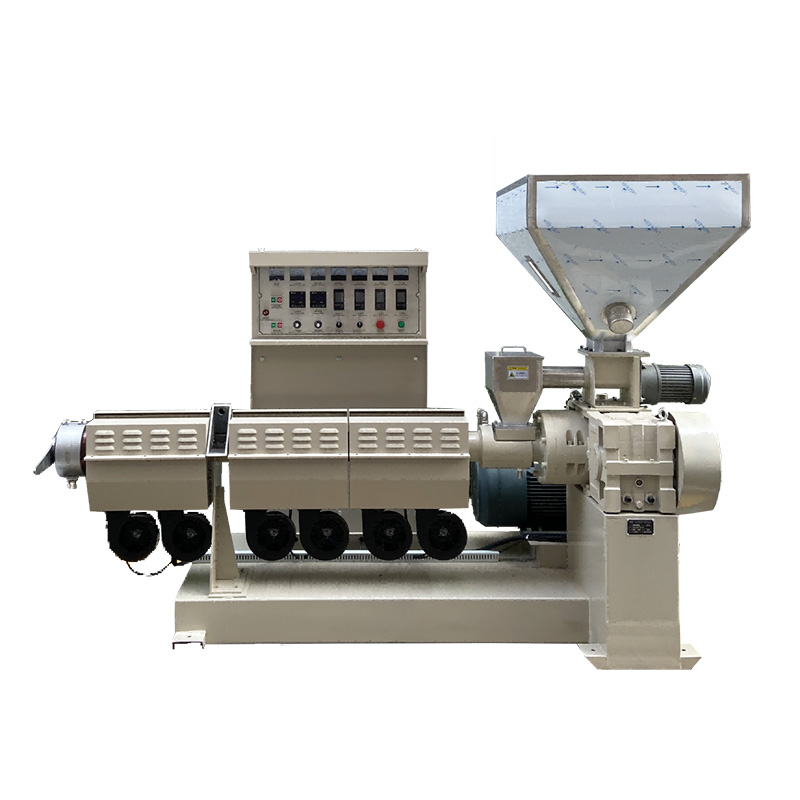
Sizing begins with understanding the main mechanical parameters that define a single screw extruder. These parameters determine how plastic melts, mixes, pressurizes, and flows through the barrel before exiting the die.
The core parameters include:
Screw Diameter (D)
Determines output capacity and torque requirements. Larger diameters handle higher volume.
Screw Length-to-Diameter Ratio (L/D Ratio)
Affects melting quality, homogenization, and mixing intensity.
Motor Power
Determines how much torque can be applied during material melting.
Throughput Capacity
Defines how many kilograms per hour the extruder can process.
Screw Compression Ratio
Controls pressure development and material densification.
These mechanical relationships guide how engineers determine proper matching between machine size and production needs.
In general, larger machines allow higher output but require more energy and stronger feeding capabilities. For pelletizing, the HONGQI single screw extruder uses a balanced screw design suitable for both recycled flakes and virgin materials, allowing stable throughput without overheating.
2. Determining Production Capacity Requirements
Before choosing an extruder size, manufacturers must define the production target. The required hourly output determines the minimum screw diameter and motor power needed.
Questions to evaluate include:
How many kilograms per hour must the extruder produce?
Will the machine run continuously or intermittently?
Are there multiple material types (PP, PE, ABS, PVC, etc.)?
What is the product form: pellets, profiles, sheets, or pipes?
Higher output requires a larger diameter screw because the cross-sectional area of the screw channel directly affects how much molten plastic can be conveyed per rotation.
Below is a general guide to typical screw diameters and their output range:
| Screw Diameter | Typical Output Range | Common Applications |
|---|
| 35–45 mm | 30–80 kg/h | Lab use, testing, masterbatch |
| 50–65 mm | 80–200 kg/h | Small-scale pelletizing, pipes |
| 75–90 mm | 200–450 kg/h | Standard production lines |
| 100–120 mm | 450–900 kg/h | Large capacity pelletizing |
| 150+ mm | 900+ kg/h | High-volume industrial plants |
These ranges vary depending on screw design, material properties, and operating speed. The HONGQI extruder series is engineered to operate efficiently across medium and large capacities, with screw diameters selected to optimize plasticizing stability.
3. Matching Screw Geometry to Material Properties
Different plastics melt, flow, and compress differently. Because of this, screw geometry—including pitch, depth, compression ratio, and mixing section—must match the thermal and mechanical properties of the material.
Materials that require longer L/D ratios:
PP & PE: need thorough melting and stable shear
PET & PA: require degassing sections due to moisture sensitivity
Recycled plastics: benefit from extended melting zones to ensure uniformity
Materials that process well with moderate L/D ratios:
PVC: sensitive to heat, so excessive shear must be avoided
ABS: requires gentle mixing to prevent yellowing
A typical L/D ratio range for different applications:
| Application | Recommended L/D | Reason |
|---|
| General pelletizing (PE/PP) | 28:1–33:1 | Balanced melting + mixing |
| Recycled materials | 30:1–36:1 | Removes impurities, stabilizes melt |
| Engineering plastics | 26:1–32:1 | Reduces thermal degradation |
| PVC extrusion | 22:1–26:1 | Prevents overheating |
The HONGQI pelletizing extruder uses optimized L/D ratios designed to handle both recycled and virgin materials, ensuring stable melt flow and minimal material degradation.
4. Calculating Motor Power and Torque Requirements
Motor power and torque determine how effectively the extruder can melt and push materials through the screw channel. Undersized motors limit production speed and cause inconsistent melt pressure, while oversized motors waste energy.
Factors that influence required motor power include:
Material viscosity and melt index
Target output rate
Screw diameter and channel depth
Compression ratio
Type of additives or fillers
High-viscosity materials (like HDPE or PA) require more torque, while low-viscosity materials (like LDPE) need less.
A simplified guideline for power requirements:
| Screw Diameter | Recommended Motor Power |
|---|
| 45 mm | 11–18 kW |
| 55 mm | 18–30 kW |
| 65 mm | 30–45 kW |
| 75 mm | 45–75 kW |
| 90 mm | 75–110 kW |
| 120 mm | 110–160 kW |
These values vary depending on screw speed and design. HONGQI extruders are equipped with motors selected to handle heavy-load applications such as pelletizing recycled plastics, ensuring stable performance without overload.
5. Considering Feeding System, Venting, and Temperature Zones
A correctly sized extruder must also be paired with an appropriate feeding system, venting system, and thermal control configuration. These elements further influence the overall sizing decision.
Feeding System
Granules, flakes, powders, and soft materials each require different feeding behavior.
Granules feed easily and require standard hopper feeders.
Flakes may need forced feeders or side feeders.
Recycled film often requires compactor or densifier assistance.
The HONGQI extruder offers adaptable feeding systems, allowing efficient processing of lightweight or bulky materials.
Venting / Degassing
For materials containing moisture or volatile components (PET, PA, recycled PP/PE), vacuum venting is essential.
Proper venting ensures:
Temperature Zones
Longer extruders require more temperature zones. The number of heating zones depends on L/D ratio and material requirements.
For pelletizing lines, HONGQI machines provide multi-zone heating with precision control to ensure smooth and uniform melting.
6. Final Steps for Selecting the Right Extruder Size
After evaluating output, material properties, screw geometry, and motor power, manufacturers need to match these specifications to actual production needs. Correct sizing leads to higher productivity, longer equipment lifespan, and lower energy consumption.
Key questions to finalize sizing:
What output capacity is required per hour?
What polymers will be extruded most frequently?
Is the material virgin, recycled, or a mixture?
Will additives, fillers, or color masterbatch be used?
How important is melt homogeneity for the product?
Does the production line require venting?
What downstream equipment (pelletizer, die, cooling) will be used?
Choosing a reliable extruder ensures consistent melt flow, reduced scrap rate, and greater operational reliability. The HONGQI single screw pelletizing extruder is engineered to meet these requirements by offering:
Stable high-output screw design
Strong motor and gearbox system
Efficient feeding compatibility
Excellent melting and mixing capability
High durability for recycled and virgin materials
Manufacturers who size their extruder properly benefit from smoother operations and increased long-term productivity.
Conclusion
Sizing a single screw extruder involves evaluating output needs, material characteristics, screw geometry, motor power, feeding requirements, and thermal control. Each factor influences how efficiently the extruder melts and conveys plastic through the system. By understanding how these elements interact, manufacturers can choose the right machine that produces high-quality material with consistent melt flow.
When properly sized and configured, extrusion machines achieve stable production rates, excellent energy efficiency, and strong long-term reliability. For pelletizing applications, the Single Screw Plastic Pelletizing Extrusion Machine offers the performance, screw design, and motor configuration needed to meet a wide range of capacity requirements.