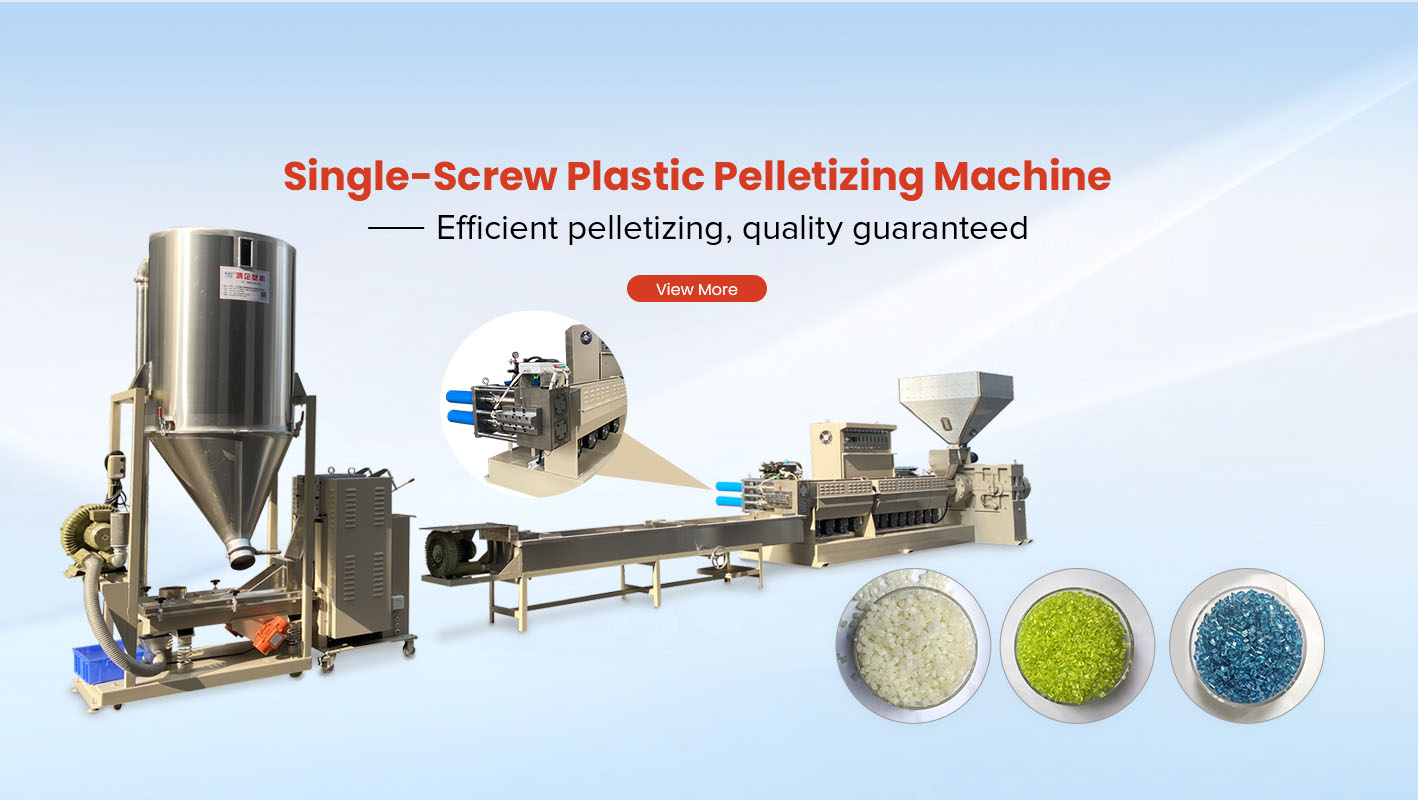
plastic recycling has become an essential part of global waste reduction efforts, and extrusion technology plays a central role in transforming discarded plastic into useful raw materials. A Plastic Extrusion Machine can convert films, flakes, bottles, rigid scraps, and industrial plastic waste into uniform, high-quality pellets suitable for new manufacturing processes. This transformation relies on controlled heating, melting, mixing, filtration, and pelletizing steps that convert irregular waste into standardized granules.
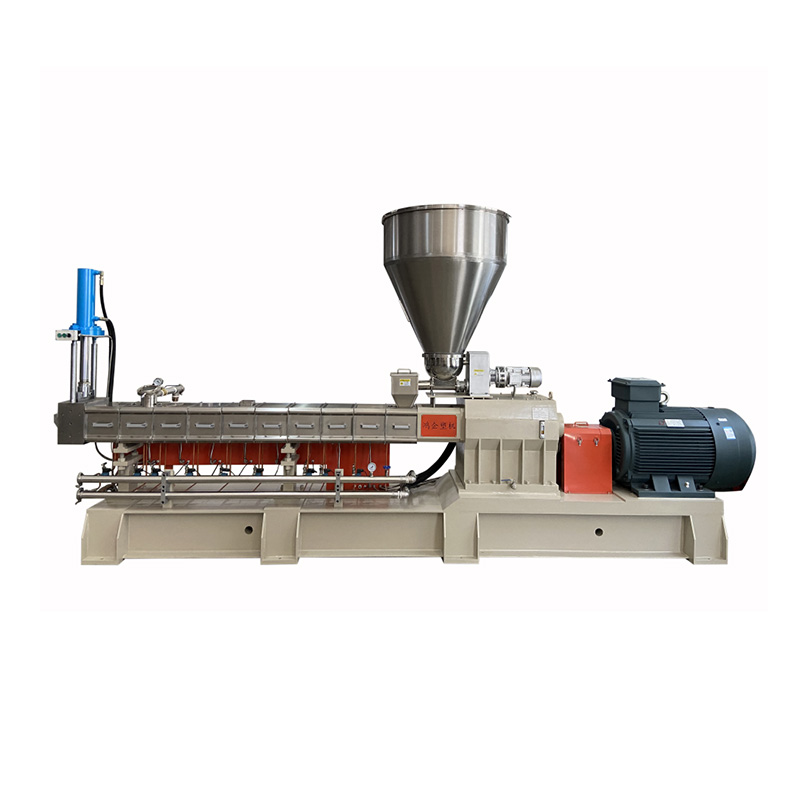
For manufacturers seeking high-performance recycling systems, twin-screw pelletizing lines—such as those developed by HONGQI—offer excellent dispersive and distributive mixing capabilities. These systems ensure stable plastic melt quality and strong output consistency.
This article explains how extrusion machines recycle plastic, how different components operate during the recycling process, and why pelletizing via twin-screw systems provides superior results.
1. Understanding the Recycling Principle Behind Plastic Extrusion
Plastic recycling through extrusion relies on the idea that thermoplastics can be melted and reshaped repeatedly without significant chemical changes. Most household and industrial plastics—such as PE, PP, PET, PS, ABS, and PVC—soften under heat and become flowable. When they cool, they solidify again. This property allows extrusion machines to convert waste into new material.
The recycling process starts with raw waste collection and continues through sorting, cleaning, shredding, melting, mixing, and pelletizing. Each step enhances the plastic’s quality so that its mechanical and thermal properties remain stable for reuse.
Extrusion is especially valuable in recycling because:
It standardizes irregular plastics into uniform, easy-to-process pellets
It eliminates contaminants through filtration and melt purification
It allows blending of additives and modifiers to restore lost properties
It increases the value of waste plastic for manufacturers
The twin-screw pelletizing systems offered by HONGQI are designed specifically for strong mixing performance, making them ideal for recycling plastic with variable characteristics.
2. Pre-Processing: Sorting, Washing, and Shredding
Before waste plastic can enter the extruder, it must go through a series of pre-processing steps. These steps determine the quality of the final recycled pellets.
Sorting
Different plastics melt at different temperatures. Sorting ensures that incompatible materials do not enter the same extrusion line. PET, PE, PP, and PVC—if mixed—can cause defects or degrade during processing.
Washing
Washing removes dirt, oil, ink, labels, and organic residues. Proper sanitation prevents contamination and improves melt stability inside the extruder.
Shredding or Size Reduction
Large pieces of plastic are shredded into flakes or chips. This improves feeding consistency and ensures even melting inside the barrel.
After pre-processing, materials are dried thoroughly. Moisture affects melt flow and can create bubbles or surface defects. Once prepared, the clean flakes are fed into the extrusion machine’s hopper, ready for the recycling transformation.
HONGQI recycling lines can integrate with upstream shredders and washing systems, creating a complete workflow from waste to pellets.
3. Melting and Plasticizing Inside the Extruder
Once inside the extrusion machine, the real recycling process begins. The screw rotates inside a heated barrel, gradually conveying plastic forward while melting it through heat and friction. The temperature is controlled in zones, allowing the material to transition smoothly from solid to molten state.
Key steps within the melting zone:
Feeding zone: flakes are transported forward
Transition zone: plastic particles soften and begin to melt
Melt zone: the material fully melts and becomes flowable
Mixing zone: additives, colorants, or stabilizers are blended
Twin-screw extruders are especially effective at recycling because the intermeshing screws generate stronger shear and mixing than single-screw systems. This leads to:
Better dispersion of pigments
Efficient blending of modifiers
Faster melting of inconsistent waste
More uniform viscosity
These advantages are why many recyclers select twin-screw systems like the HONGQI pelletizing extrusion machine, designed specifically for stable recycling of mixed or low-quality plastics.
4. Filtration, Degassing, and Removing Impurities
Recycled plastics often contain contaminants such as paper fibers, dust, adhesives, or burned particles. The extrusion machine includes filtration and degassing systems to remove these impurities and stabilize the melt.
Filtration
A melt filter or screen changer captures solid contaminants as the molten plastic passes through. The screen must be strong enough to filter fine impurities but not restrict flow excessively.
Degassing
Many recycled plastics retain moisture or volatile substances. Degassing vents—especially vacuum vents—remove trapped gases, preventing:
Melt Homogenization
The melt becomes cleaner and more uniform, improving mechanical properties and appearance.
Twin-screw extruders from HONGQI feature large-volume venting zones and efficient filtering options, making them suitable for handling films, bottle flakes, and mixed waste where impurity levels vary.
5. Pelletizing and Cooling: Transforming Melt Back Into Usable Raw Material
Once filtered and homogenized, the molten plastic exits the die and enters the pelletizing stage. Pelletizing converts the melted material into standardized pellets, making it easier for manufacturers to store, transport, and reprocess.
Common pelletizing methods:
Strand pelletizing: molten strands are cooled in water, then cut into pellets
Hot-cut pelletizing: molten material is cut directly at the die face
Underwater pelletizing: molten plastic is cut in water and solidified instantly
Each method has benefits depending on material viscosity and production volume. The pellets then move through a cooling and drying system to ensure proper hardness and flowability.
These pellets can then be used in:
This makes recycled plastics valuable feedstock across various industries.
The HONGQI twin-screw pelletizing line integrates stable cutting systems and cooling components to ensure clean, evenly sized pellets suitable for multiple downstream applications.
6. Final Quality Control and Benefits of Using Extrusion for Recycling
After pelletizing, recycled pellets undergo quality control to ensure consistency. Factors examined include pellet size, color, melt flow index, density, and impurity content. High-quality recycled pellets can replace virgin materials partially or fully, depending on end-use requirements.
Advantages of using extrusion for plastic recycling:
High efficiency: continuous production with stable output
Material flexibility: compatible with PE, PP, PS, PET, ABS, PA, PVC, and more
Cost savings: reduces reliance on virgin resin
Environmental impact: diverts plastic waste from landfills
Property enhancement: additives restore strength, color, or heat resistance
Consistent pellet format: simplified storage and reprocessing
Recycling plastic via extrusion is both economically and environmentally beneficial. Modern recycling machines—especially high-performance twin-screw pelletizing systems like those from HONGQI—enable manufacturers to process mixed waste streams efficiently while producing reliable, high-value pellets.
Conclusion
Plastic extrusion machines recycle plastic by transforming waste materials into uniform pellets through a sequence of controlled steps: sorting, washing, melting, mixing, filtering, degassing, pelletizing, and cooling. This process restores the functionality of discarded materials and allows them to reenter the production cycle.
Twin-screw systems provide superior mixing, impurity removal, and melt consistency, making them ideal for recycling lines. HONGQI’s extrusion technology offers strong mechanical performance, stable throughput, and precise control, enabling manufacturers to convert plastic waste into valuable raw materials efficiently.