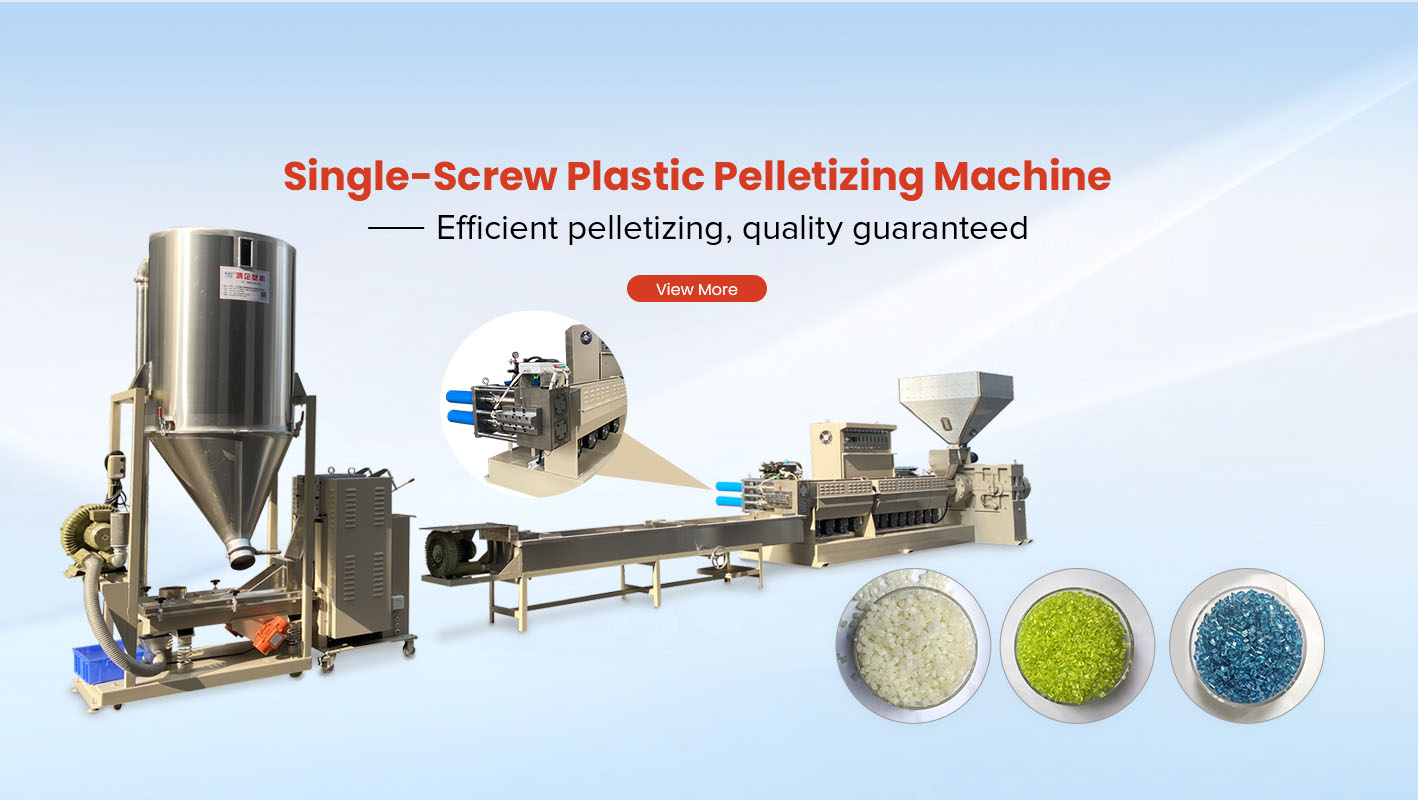
A plastic paint removal machine is a specialized industrial system designed to strip coatings, paints, inks, and plating layers from plastic components without damaging the base material. As the demand for recycled plastics continues to grow and manufacturing cycles become increasingly oriented toward rework and sustainability, the role of de-coating equipment has become more essential. This type of machine enables factories to restore plastic parts, improve recycling purity, and reduce waste disposal costs.
For industries that require efficient and stable de-coating performance, equipment such as HONGQI’s plastic paint removal machine supports large-scale operations with reliable processing structure and consistent stripping results.
What a Plastic Paint Removal Machine Is
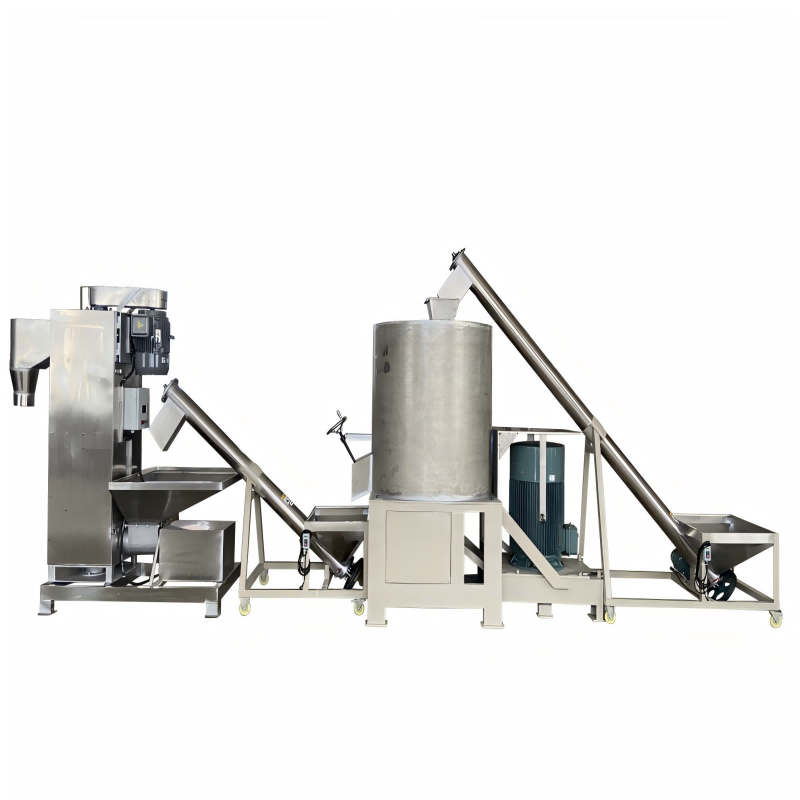
A plastic paint removal machine—often referred to as a Plastic De-Coating Machine—is designed to mechanically or chemically remove surface coatings from plastic products. The machine is built to separate the painted layer by introducing plastic parts into a rotating drum that generates friction, abrasion, and controlled impact, gradually detaching the surface coating.
Unlike manual removal or harsh chemical methods, modern industrial systems ensure that the underlying plastic substrate remains intact. This is possible due to the design of the drum interior, the controlled speed, the abrasion medium, and the adjustable processing cycle. The goal is to remove the coating entirely or partially depending on downstream requirements.
The structure of the machine typically includes a steel drum, a drive motor, a transmission system, a coating filtration mechanism, and an outlet system that discharges cleaned plastic. The design enables continuous or batch operation depending on the model. In applications such as ABS, PS, PC, PP, and recycled engineering plastics, de-coating equipment helps increase the value of recycled materials by ensuring high-quality recovered resin.
Key Characteristics of a Plastic Paint Removal Machine
While the external structure seems simple, the functionality of a plastic paint removal machine depends on precise mechanical design. Below are the essential characteristics that define its performance and advantages.
Controlled Abrasion Process
The machine uses controlled abrasion to remove paint uniformly. The rotation creates a cascading motion that exposes each part’s surface, ensuring even stripping. Unlike chemical soaking, this method minimizes risk to the material and maintains substrate integrity.
Adjustable Processing Time and Speed
Operators can control machine speed and processing time to match different types of paint, coating thickness, or plastic grades. Harder coatings may require longer friction cycles, while thinner UV or spray coatings detach quickly.
Suitable for Varied Plastic Materials
The system can accommodate injection-molded parts, molded housings, electronic casings, and automotive trim. By adjusting internal abrasive media and rotational force, the machine can process both soft and rigid polymers without causing deformation.
High Efficiency for Industrial Workloads
Industrial de-coating machines operate in continuous cycles, enabling factories to process large batches of plastic parts within short time frames. This stability is essential for recycling plants, rework facilities, and production lines that require fast turnaround.
Energy-Saving and Easy Maintenance
Equipment from HONGQI places emphasis on simplicity of operation and low electricity consumption. Maintenance tasks—such as cleaning the drum, checking the transmission, or inspecting the abrasive medium—are straightforward, reducing downtime.
Applications of Plastic Paint Removal Machines
A plastic paint removal machine is used across multiple industries because it provides both environmental and financial benefits. Its main role is to reclaim coated plastic that would otherwise be discarded. Here are the major application areas where the machine contributes significant value.
Recycling Facilities
Recycling plants use de-coating machines to remove paint from plastic scrap, improving purity levels before shredding, washing, and pelletizing. Removing coatings helps ensure the recycled pellets have stable color, better compatibility, and higher value. This step is particularly important for ABS, PC, and PP reprocessing lines.
Electronic and Home Appliance Factories
Electronic housings often include sprayed coatings or plating. When defective or outdated parts need reworking, this machine restores the base plastic for re-coating or reassembly. This approach reduces waste and lowers production costs.
Automotive Components
Automotive trim pieces, interior panels, and decorative parts frequently carry protective or decorative coatings. During quality checks, pieces that fail surface inspection can have the coating removed and then be reprocessed, reducing scrap rates.
Industrial Rework Facilities
Factories producing plastic accessories, cosmetic packaging, or molded parts use de-coating machines to support quality control. If a batch has color errors or coating defects, the parts can be restored instead of thrown away.
Plastic Pelletizing and Compounding Plants
For pelletizing businesses, clean plastic material provides higher quality pellets. De-coated plastic improves melt consistency and prevents contamination during extrusion.
Feature Comparison Table
| Feature | Effect on Production | Benefit |
|---|
| Controlled friction removal | Clean, uniform surface stripping | Protects base material |
| Adjustable speed & duration | Fits multiple coating types | Higher process flexibility |
| Batch or continuous operation | Supports different productivity needs | Efficient output control |
| Reuse-friendly design | Restores original plastic | Lower material waste |
| Simple maintenance | Less downtime | Lower operating cost |
Common Questions About Plastic Paint Removal Machines
“Will the machine damage the plastic parts?”
No. When correctly adjusted, the process removes only the coating layer. Plastic substrates remain intact. Equipment like HONGQI’s machine is designed to maintain controlled abrasion to prevent deformation or thinning of the part.
“Which types of coatings can be removed?”
The machine can remove spray paint, UV coatings, electroplating layers, thin plating films, soft-touch coatings, and decorative surface treatments. The duration of processing depends on coating thickness and hardness.
“Is chemical treatment required?”
Most de-coating machines operate entirely mechanically. For extremely hard coatings, mild pretreatment may be used, but it is optional. HONGQI systems are primarily designed for mechanical stripping to minimize chemical waste.
“Can large or irregular shapes be processed?”
Yes. The internal drum accommodates various shapes and sizes. However, extremely large or fragile components may require slower processing speeds.
“How long does a typical coating removal cycle take?”
Cycle times vary from 10 minutes to over an hour depending on coating type and part complexity. Adjustable settings allow operators to optimize each batch.
“Can this machine be used in a continuous production line?”
Many factories integrate de-coating machines into recycling or rework lines. HONGQI models can handle continuous batch feeding, making them suitable for large-scale operations.
“How often do abrasive elements need replacement?”
The abrasive medium gradually wears down. Replacement frequency depends on material volume and coating hardness. Most factories monitor performance and replace media when stripping efficiency decreases.
“What is the power consumption?”
The machine is designed for low energy usage relative to output volume. Power consumption varies by model capacity but remains lower than systems relying on chemical heating.
A plastic paint removal machine plays a crucial role in recycling, rework, and production-line efficiency by stripping coatings from plastic components without damaging the underlying material. Its mechanical abrasion process ensures uniform paint removal, high throughput, and stable quality, making it indispensable for industries dealing with coated plastic products.
With equipment solutions such as HONGQI’s plastic de-coating machine, factories can improve material reuse, reduce waste, and enhance processing consistency. As sustainability and resource recovery become increasingly important globally, de-coating technology offers a cost-effective and environmentally friendly method to reclaim plastic value and support continuous industrial production.