Removing paint from plastic can be a delicate task because plastic surfaces are far more sensitive to chemical reactions, heat, and abrasives than metal or wood. Whether the paint is accidental overspray, an old coating that needs renewal, or residue from a manufacturing process, choosing the right removal method ensures the plastic is cleaned without deformation, scratching, or discoloration.
For industrial users, modern equipment solutions—such as the Plastic De-Coating Machine offered by HONGQI—provide superior efficiency and surface safety. This guide explains consumer-level and professional methods for removing paint from plastic, as well as the situations where specialized machinery is the best choice.
Understanding How Paint Bonds to Plastic
Paint adhesion on plastic varies depending on the type of resin, surface energy, and existing texture. High-density plastics resist adhesion, while textured surfaces allow paint to grip more strongly. This means some painted plastic items can be cleaned easily with mild solvents, while others require advanced stripping processes.
A key consideration is the softening point of the plastic. Many plastics begin to deform between 75°C and 120°C, so heat-based removal must be controlled precisely. Likewise, strong chemicals may dissolve polymers or cause whitening, cracking, or surface haze.
Because the risk of damage increases with aggressive removal methods, the most suitable approach depends on:
Thickness of the paint layer
Chemical resistance of the plastic
Size and shape of the object
Requirement for surface quality after stripping
Small household items can often be managed manually, while industrial components demand consistent, non-destructive processes.
Common Household-Level Methods for Removing Paint From Plastic
While these methods suit personal or small workshop use, each requires evaluation to avoid damaging the substrate.
Mild Soap and Warm Water
For fresh paint—not yet fully cured—a simple wash may be effective. acrylic, watercolor, or craft paints often soften with water. This approach works best when:
Rubbing Alcohol or Isopropyl Solution
Isopropyl alcohol (70–99%) is strong enough to loosen many coatings without dissolving most consumer plastics. It is commonly used for:
Removing small paint splatters
Cleaning electronics casings
Softening adhesive-mixed paint
Gentle rubbing with a soft cloth minimizes scratches.
Acetone-Free Nail Polish Remover
This solvent can break down certain paint types while reducing the risk of melting plastic. It offers a balance between efficacy and safety, though it still requires patch testing.
Plastic Scrapers and Mechanical Action
For thick or layered paint, soft mechanical removal works when chemical methods alone are insufficient. A plastic scraper avoids gouging the plastic. Combined with warm soapy water or alcohol, this technique can gradually lift paint.
These options are suitable for low-volume or delicate items but are not efficient for industrial-scaled cleaning.
When Industrial Paint Removal Machines Are Necessary
Manufacturers that process large quantities of plastic components—such as automotive trim, home appliances, electronics housings, or molded parts—require controlled and repeatable stripping methods.
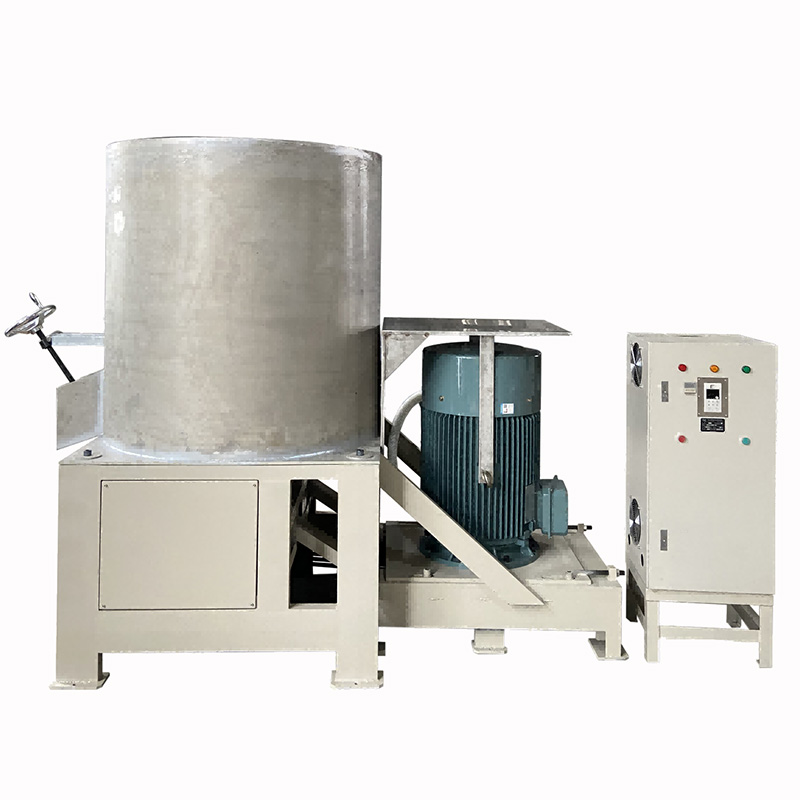
This is where equipment like the HONGQI plastic Paint Remove Machine becomes essential. It offers automated, stable, and high-precision paint stripping designed specifically for plastic substrates.
Why Industries Prefer Mechanical Paint-Removal Equipment
Manual chemical stripping introduces several issues:
Uneven removal
High labor cost
Chemical residue risks
Surface degradation
Inconsistent quality
In contrast, an engineered paint-removal system maintains uniformity while protecting the underlying polymer.
Core Advantages of Using a Plastic De-Coating Machine
Machines designed for plastic paint removal utilize controlled thermal, mechanical, and airflow techniques to remove coatings without harming the base material. HONGQI’s equipment integrates the following strengths:
1. Controlled Temperature Processing
Plastic melts easily under excessive heat, so the equipment maintains stable temperatures that soften or detach paint without deforming the product.
2. Mechanical Separation Without Surface Damage
The internal design ensures continuous movement, gentle friction, and controlled agitation. This allows the coating to detach while the plastic remains structurally intact.
3. High-Volume Capability
Factories that handle hundreds or thousands of parts benefit from:
This dramatically improves efficiency compared with manual soaking or scraping.
4. Clean and Contained Processing
Professional equipment minimizes chemical waste and prevents airborne contaminants, supporting environmental and workplace-safety goals.
For users interested in industrial-grade solutions, the HONGQI Plastic De-Coating Machine demonstrates how automated systems outperform manual methods in both speed and surface protection.
Comparing Manual Versus Machine-Based Paint Removal
A simple table illustrates the differences:
| Method | Suitable For | Advantages | Limitations |
|---|
| Mild soap & water | Water-based paint | Safe for all plastics | Not effective for dried paint |
| Rubbing alcohol | Small items, splatters | Accessible, low risk | Slow for thick coatings |
| Plastic scrapers | Thick deposits | No chemicals | Requires manual effort |
| Chemical solvents | Tough coatings | Fast removal | Can damage plastics |
| Industrial paint remove machine | High-volume production | Uniform, fast, non-destructive | Requires equipment investment |
This comparison makes it clear why manufacturing environments adopt specialized machinery: it standardizes and accelerates the entire process while ensuring quality.
Steps for Choosing the Right Removal Method
A structured selection process helps users avoid unintended damage.
Identify the type of plastic.
ABS, PP, PC, and PVC react differently to solvents and heat.
Inspect the paint layer.
Consider whether it is water-based, oil-based, or automotive-grade.
Decide between manual and industrial removal.
Small objects may justify simple solvents. Large volumes require equipment.
Consider surface finish requirements.
If the plastic must remain smooth, a non-abrasive method is essential.
Evaluate long-term cost and efficiency.
Factories processing large batches gain significant savings with machinery.
Industries with ongoing production—such as molding, assembly, or recycling—benefit the most from automated paint removal.
Why Manufacturers Choose HONGQI Paint Removal Equipment
HONGQI specializes in plastic processing machinery backed by decades of engineering experience. The company’s paint removal machines are designed with accuracy, durability, and production stability in mind.
Key reasons manufacturers select HONGQI:
Consistent de-coating quality
Protection of delicate plastic parts
Automated operation for reduced labor costs
Compatibility with a broad range of plastic types
Long equipment lifespan supported by CNC precision manufacturing
Businesses seeking reliable stripping solutions can explore the HONGQI Plastic De-Coating Machine for integration into their production line.
Conclusion
Removing paint from plastic requires careful selection of solvents, mechanical techniques, or industrial equipment based on the paint type, plastic composition, and production volume. While household methods are adequate for small tasks, manufacturers need consistent, high-efficiency solutions that protect plastic surfaces.
HONGQI’s specialized paint-removal machinery provides a professional, scalable, and safe approach for factories handling large quantities of plastic components. By combining controlled temperatures, precise mechanical action, and stable operation, it delivers predictable results that manual methods cannot match.
For industries requiring dependable large-scale paint removal, the HONGQI Plastic De-Coating Machine remains one of the most effective solutions available today.