Paint removal is an essential process across industries such as automotive manufacturing, electronics, plastics production, appliance assembly, refurbishing, and recycling. Whether the goal is to restore a clean surface, prepare components for recoating, or eliminate production defects, understanding how paint removal works helps manufacturers select the correct method and avoid damaging substrates—especially plastics, which are sensitive to both heat and chemicals.
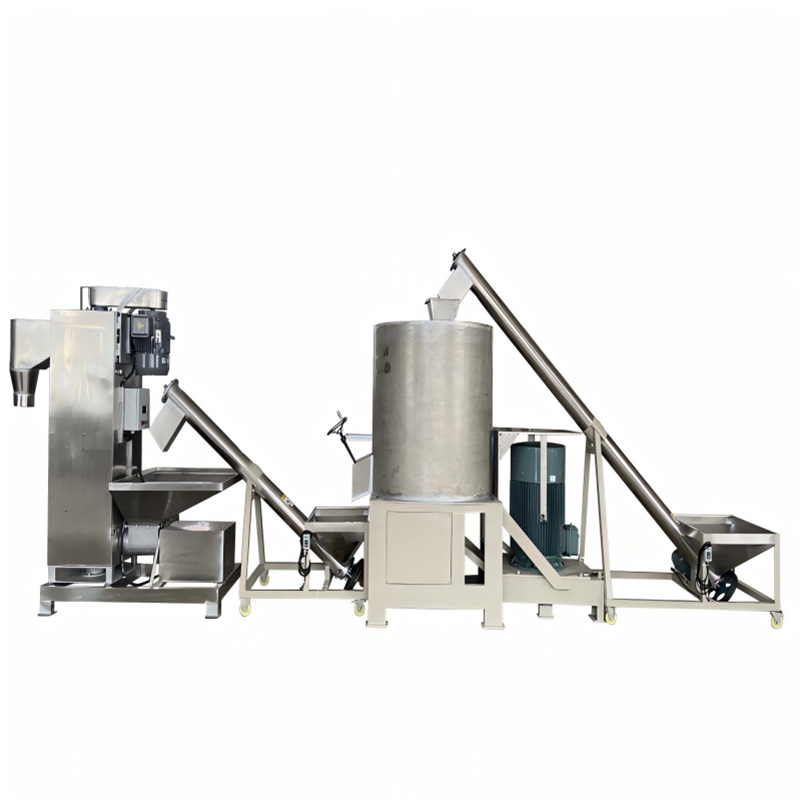
For high-volume industrial applications, specialized systems like the HONGQI plastic de-coating machine provide controlled, efficient, and non-destructive paint removal tailored for plastic components. This article explores how paint removal works—from fundamental principles to advanced automated processes—while explaining when industrial machinery offers the optimal solution.
The Science Behind Paint Removal
Paint adheres to surfaces through mechanical bonding, chemical adhesion, or a combination of both. To remove it, one must break or weaken these bonds without damaging the underlying material. This is why different paint removal methods have different mechanisms.
Paint removal generally works by targeting one or more of the following:
Softening the paint layer so it releases more easily
Breaking chemical bonds between paint and substrate
Expanding or contracting layers through temperature change
Physically separating coatings using abrasion or mechanical action
The effectiveness of any method depends on the paint type, thickness, and the substrate’s tolerance to heat, chemicals, and mechanical stress.
Common Mechanisms Used in Paint Removal
1. Chemical Softening or Dissolving
Solvents and strippers penetrate the paint film, breaking down its binder structure. This causes the paint to bubble, swell, or liquefy.
Chemical removal is effective for:
However, aggressive chemicals pose risks, especially for plastics, which can warp, crack, or discolor when exposed to powerful solvents.
2. Thermal Expansion and Breakdown
Heating a paint layer causes it to expand or soften. Once weakened, it can be scraped, brushed, or mechanically separated.
This method must be used cautiously, as plastics have low deformation points. Industrial systems that rely on controlled heat ensure the temperature never exceeds what the substrate can tolerate.
3. Mechanical Abrasion
Abrasive pads, blasting media, or friction-based tools physically wear away paint.
Pros:
Cons:
Mechanical removal alone is rarely suitable for sensitive components.
4. Integrated Mechanical-Thermal Systems
Modern paint removal for plastics frequently uses a combination of:
Controlled temperature conditions
Gentle mechanical agitation
Airflow or particulate motion
These systems soften paint just enough to separate it, while physical action lifts coating fragments away without harming the base material.
This balanced approach is the foundation of technology used in the HONGQI plastic de-coating machine.
How Industrial Paint Removal Machines Operate
High-volume manufacturing demands removal systems that are safe, predictable, and efficient. Industrial machines provide these advantages through precise engineering and automated operation.
Below is a detailed explanation of how such systems work.
Stage 1: Controlled Heating
Paint removal begins by heating components inside a sealed chamber. The temperature is carefully regulated to:
Unlike manual heat guns, industrial systems use evenly distributed thermal environments, ensuring uniform softening.
Stage 2: Mechanical Separation
As the paint weakens, the machine applies gentle mechanical forces through:
The purpose is not to grind the substrate but to lift the loosened paint layers. This approach preserves surface texture and structural integrity.
Stage 3: Airflow and Extraction
Airflow helps detach and carry away loosened paint particles, maintaining a clean working environment inside the chamber.
Benefits include:
Reduced buildup on parts
Faster cycle times
Cleaner surface finish
Extraction systems also help remove fumes or micro-particles.
Stage 4: Cooling and Stabilization
After paint removal, parts cool gradually to protect dimensional stability. The result is a clean, ready-to-reprocess plastic component.
Systems like the HONGQI plastic de-coating machine are designed to ensure part safety from start to finish.
Comparing Paint Removal Methods
To understand how industrial systems differ from manual techniques, the following table offers a direct comparison:
| Removal Method | How It Works | Best For | Limitations |
|---|
| Chemical solvents | Dissolves paint binders | Metal, ceramics | May damage plastics, produces fumes |
| Heat gun | Softens paint | Wood, metal | Risky for plastics; uneven heating |
| Abrasion | Physically scrapes paint | Hard surfaces | Causes scratches, debris |
| Automated de-coating machine | Controlled heat + mechanical separation | Plastic components, mass production | Requires equipment investment |
This comparison highlights why industries processing plastic rely on automated methods for consistent quality.
Factors That Influence Paint Removal Efficiency
Paint Type
acrylic, epoxy, enamel, and polyurethane coatings each respond differently to heat and solvents.
Substrate Material
ABS, PP, PC, and PVC plastics have distinct heat resistance levels that affect removal strategies.
Paint Thickness
Multiple coatings or textured surfaces require longer processing cycles.
Component Shape
Complex geometries benefit from automated systems that ensure uniform exposure and coverage.
Understanding these variables allows manufacturers to tailor their removal approach and reduce risk.
Why Industrial Users Prefer Automated Paint Removal
Industries working with large quantities of components rely on automated solutions because manual removal is:
Automated machines improve:
Surface protection
Output speed
Repeatability
Waste control
Operator safety
A machine-driven process ensures uniform results every cycle.
How HONGQI Paint De-Coating Machines Enhance the Process
HONGQI specializes in engineered systems designed specifically for paint removal from plastic components. The HONGQI plastic de-coating machine excels because of its precise integration of temperature control, mechanical design, and airflow management.
Key Advantages
Non-destructive paint removal
Stable performance for large batches
Controlled heat safety
Reduced chemical usage
Lower operational costs over time
Clean and environmentally responsible process
These strengths make it ideal for industries such as automotive aftermarket, injection molding, home appliance manufacturing, and electronics.
Conclusion
Paint removal works by breaking the bond between paint and substrate using thermal, chemical, or mechanical processes. While small-scale removal can be performed manually, industrial operations require systems that protect plastic components, reduce waste, and improve productivity.
Automated solutions such as the HONGQI Plastic De-Coating Machine combine controlled heat, precise mechanical action, and efficient airflow to deliver clean surfaces without damage. This makes them an essential tool for manufacturers seeking consistency, quality, and operational efficiency.
For businesses handling high volumes of painted plastic components, investing in automated de-coating technology ensures reliability, safety, and long-term cost savings.