A plastic dewatering machine is an essential part of modern plastic recycling and processing systems, designed to remove moisture from washed or processed plastic materials. Whether the plastic comes from post-consumer waste, industrial scrap, or production residue, moisture must be eliminated before further steps such as granulation, extrusion, or packaging can take place. Without efficient dewatering, downstream processes become unstable, energy consumption increases, and product quality is compromised.
Industries that handle PP, PE film, PET flakes, rigid plastics, and mixed-recycling materials frequently rely on vertical centrifugal systems like the HONGQI plastic dewatering machine for high-capacity, reliable moisture reduction. This article explains what the machine is, how it works, its advantages, and why it is indispensable in plastic recycling lines.
Understanding the Purpose of a Plastic Dewatering Machine
Plastic materials, especially those collected from packaging, agriculture, or consumer waste streams, typically undergo a hot or cold washing process. This cleaning step removes contaminants such as dirt, oil, adhesives, and organic residue. After washing, plastics retain substantial moisture trapped between layers, inside grooves, or on flat surfaces.
A plastic dewatering machine bridges the gap between washing and drying by:
Rapidly removing surface and embedded moisture
Preparing materials for thermal drying or immediate processing
Reducing the energy load required for subsequent heating
Ensuring that plastics maintain consistent density and flow characteristics for extrusion
Its performance directly influences the quality and efficiency of the entire recycling workflow.
How a Plastic Dewatering Machine Works
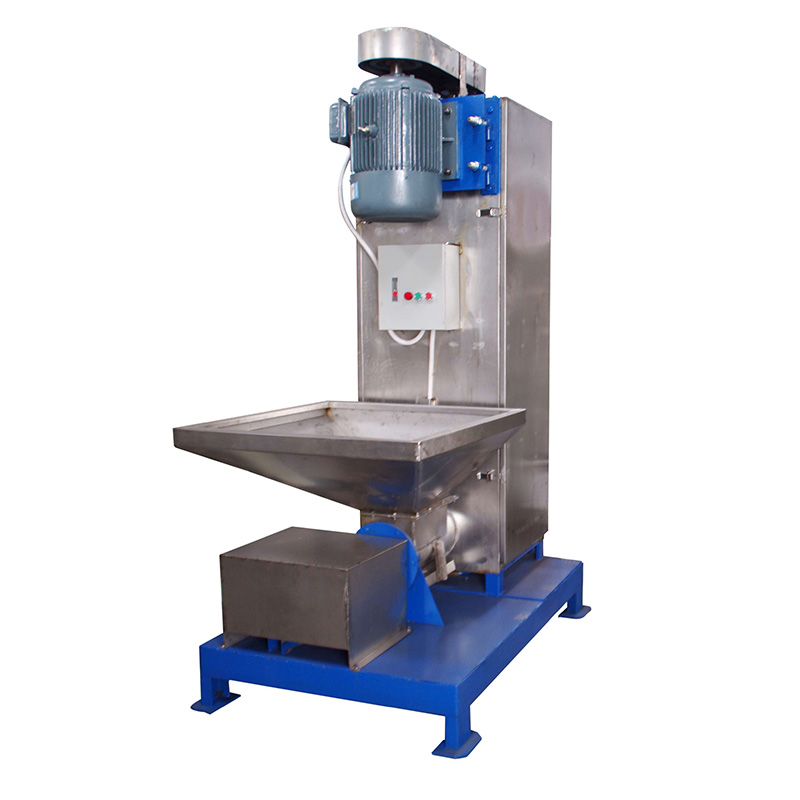
The core principle of dewatering machines revolves around centrifugal force. By rapidly spinning wet plastics inside a perforated stainless-steel chamber, water is forced outward, passing through the outer wall while the plastic remains inside.
A simplified step-by-step breakdown demonstrates this principle:
Material Feeding
Wet plastic enters the machine through an upper inlet, usually delivered by a conveyor or washing line.
High-Speed Rotation
A vertical rotor drives the internal basket at high speed, creating intense centrifugal force.
Moisture Separation
Water is pushed away from the plastic and expelled through perforations or drainage ports.
Discharge
The dewatered material exits through a lower outlet, ready for further processing such as thermal drying or pelletizing.
The vertical configuration, as seen in the HONGQI dewatering system, offers stable operation, high throughput, and uniform moisture removal even with lightweight film materials.
Types of Plastic Dewatering Machines
Different recycling operations require different types of dewatering equipment. Although designs vary, the most widely used systems fall into the categories below.
Centrifugal Dewatering Machines
The most common design, using high-speed rotation to separate water efficiently. They handle diverse materials, including films, flakes, and rigid plastics.
Horizontal Dewatering Machines
Built for high-flow processing lines where materials move horizontally rather than dropping vertically.
Thermal Drying Systems (Supporting Equipment)
Not a dewatering machine by itself, but often paired to achieve final dryness levels for sensitive materials.
Screw-Type Dewatering Machines
Use compression to squeeze out moisture, more suited to soft films or materials requiring partial densification.
Machines like the vertical centrifugal models typically deliver the best balance of speed, cleanliness, and energy efficiency, making them preferred in industrial recycling.
Key Components of a Plastic Dewatering Machine
Although manufacturers fine-tune their designs, most machines include:
Rotating basket that holds and spins the plastics
Main motor providing rotational power
Protective casing for safety and vibration control
Perforated chamber allowing water to escape
Outlet chute for discharging material
Shock absorbers to stabilize high-speed operation
Drainage path that guides water away from the system
These components work together to create powerful yet controlled dewatering performance.
Typical Applications in the Plastic Recycling Industry
Plastic dewatering machines are used across many sectors where wet plastic materials are processed. Common applications include:
Recycling PP woven bags
Washing PE films from packaging waste
Dewatering PET bottle flakes after hot washing
Preparing agricultural films for pelletizing
Moisture removal for HDPE/PP rigid regrind
Every one of these applications benefits from reduced drying time and improved production consistency.
Advantages of Using a Plastic Dewatering Machine
A well-engineered dewatering system brings multiple operational benefits:
1. High Moisture Reduction
Most centrifugal dewatering machines reduce moisture to below 3–5%. This drastically reduces the load on thermal dryers and accelerates downstream processing.
2. Energy Efficiency
Because mechanical dewatering consumes far less energy than thermal drying, it serves as the most cost-effective moisture removal step.
3. Continuous Operation
Industrial designs allow uninterrupted processing, essential for large recycling facilities.
4. Low Maintenance
Vertical dewatering machines have few moving parts and a durable build, leading to long service life and minimal repair downtime.
5. Material Versatility
They handle a wide range of plastics—from thin films to large rigid flakes—without clogging or damage.
These strengths are evident in systems like the HONGQI vertical dewatering machine, engineered for long-term reliability and high-volume recycling lines.
Performance Expectations and Output Characteristics
To help manufacturers evaluate performance, the table below summarizes typical characteristics of a vertical centrifugal dewatering unit:
| Parameter | Typical Value | Notes |
|---|
| Moisture reduction | 90–95% | Achieved mechanically, depending on material |
| Capacity | 300–1500 kg/hr | Scalable by rotor size |
| Application materials | PP, PE, PET, HDPE | Works with film or rigid pieces |
| Motor power | 7.5–30 kW | Varies by machine size |
| Dryness before extrusion | ≤ 5% moisture | Suitable for most recycling lines |
These ranges vary by manufacturer, but high-end systems maintain consistent performance over years of operation.
How Plastic Dewatering Machines Fit Into a Full Recycling Line
A dewatering system typically sits between the wash tank and the final drying or pelletizing step. A complete line might look like this:
Sorting and shredding
Washing (cold or hot)
Dewatering machine
Thermal dryer or air drying
Storage or pelletizing
The dewatering machine is a major contributor to line efficiency. Poor dewatering slows the entire system, increases electrical consumption, and reduces material quality at extrusion.
What Makes HONGQI Dewatering Machines Reliable?
As a manufacturer specializing in plastic processing machinery, HONGQI designs equipment with stability, precision, and industrial durability in mind. The vertical dewater machine integrates:
High-strength stainless-steel baskets
Balanced rotor systems to minimize vibration
Thickened casings for long-term operation
Efficient water discharge channels
Compatibility with multiple washing line configurations
These features ensure smooth operation even under heavy loads and continuous recycling environments.
Maintenance Considerations
Proper maintenance enhances machine longevity and safety. Key practices include:
Routinely inspecting the rotor and bearings
Cleaning the perforated basket to prevent clogging
Checking motor alignment
Monitoring vibrations to detect imbalance
Ensuring drainage remains unobstructed
With regular care, vertical dewatering machines can function reliably for years without major issues.
Choosing the Right Plastic Dewatering System
Not all dewatering systems fit every recycling facility. Factors to consider include:
For large-capacity or demanding applications, selecting an industrial-grade machine like the HONGQI vertical centrifugal system ensures faster return on investment and greater stability.
Conclusion
A plastic dewatering machine is a critical component of industrial plastic recycling, designed to efficiently remove moisture from washed materials before they move on to drying or extrusion. By leveraging centrifugal force, these machines deliver reliable performance with low energy consumption, making them essential for any high-volume recycling operation.
Systems such as the HONGQI vertical dewatering machine combine durability, precision engineering, and consistent output to help manufacturers improve material quality and reduce operating costs. Understanding how these machines function empowers businesses to build more efficient and sustainable recycling workflows.