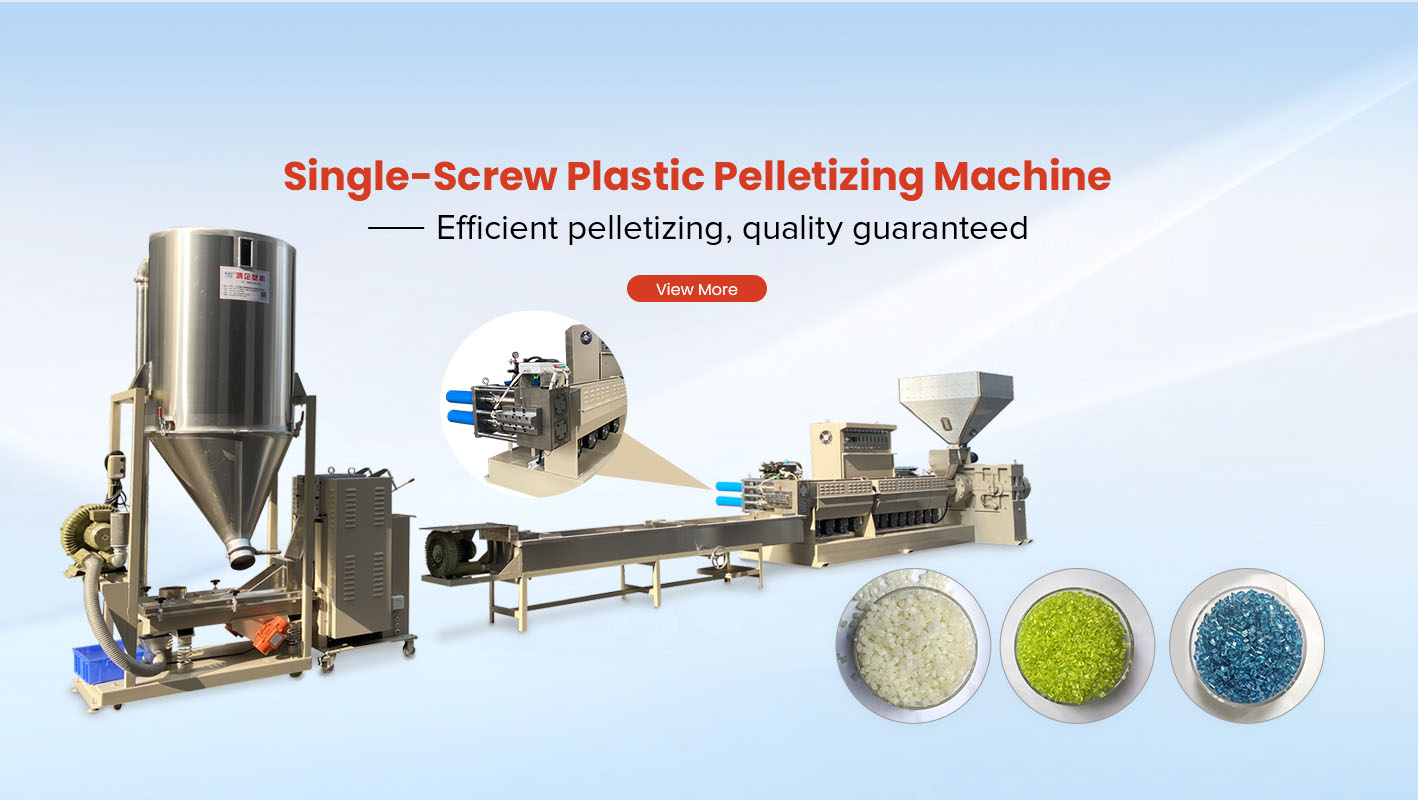
Color consistency is one of the easiest quality indicators for customers to judge and one of the hardest parameters to keep stable in daily production. A Plastic Color Mixer Machine is not only used to blend masterbatch and resin. It also helps stabilize feeding behavior, reduce color streaks, lower material waste during changeovers, and improve overall line efficiency.
Choosing the right mixer requires more than checking capacity. The correct decision depends on your resin type, batch size, pigment ratio, moisture sensitivity, downstream process, and the way your operators run the line. This guide explains how to select a suitable mixer and how HONGQI supports reliable mixing performance through its Plastic Color Mixer Machine.
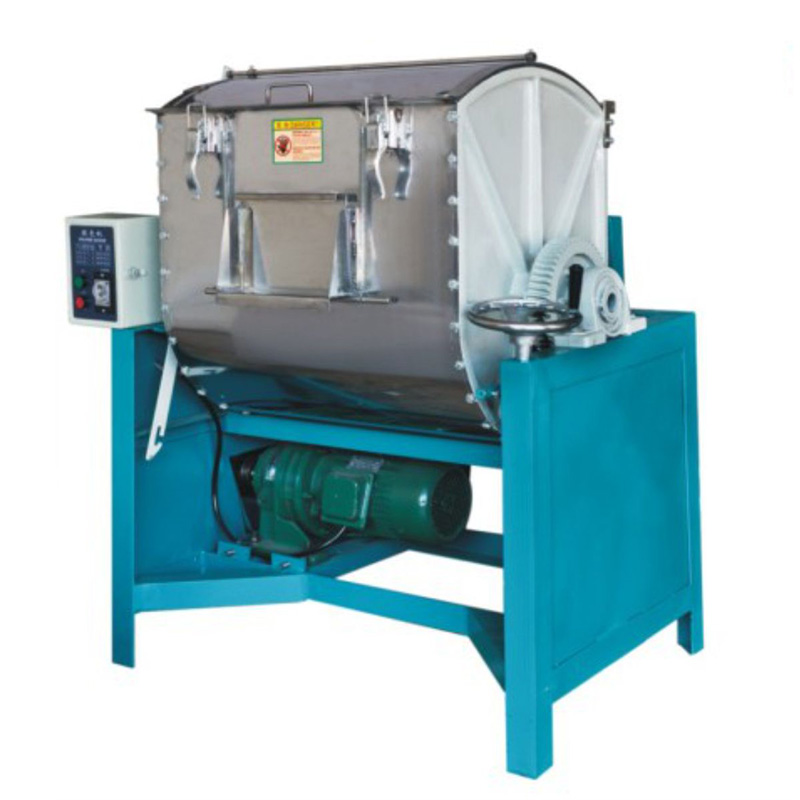
A mixer is successful when it delivers stable output quality with minimal operator intervention. In production terms, it should solve the following problems.
Prevent visible color streaks and uneven shade across parts
Keep masterbatch dispersion stable when feed rate changes
Reduce start-up scrap and color adjustment waste
Avoid overheating that can affect resin properties
Support stable feeding to the extruder or molding machine
A mixer that only spins material but cannot maintain consistency under real throughput variation is often the root cause of rework and customer complaints.
Start selection from your production line type
The correct mixer choice depends strongly on where it sits in your process.
Injection molding lines
Injection molding often uses frequent color changes and small batch runs. A mixer must provide fast and uniform blending to avoid streaks in cosmetic surfaces. For these lines, mixing speed, discharge efficiency, and ease of cleaning matter as much as capacity.
Extrusion lines
Extrusion runs longer cycles and higher throughput. Color instability shows up as long streaks, thickness variation, and inconsistent appearance along the product length. Extrusion lines require a mixer that can keep a stable mixing ratio and deliver uniform material continuously.
Recycling and reprocessing lines
Recycling lines often mix regrind with virgin resin and additive packages. If the material includes different melt histories, mixed particle sizes, or residual moisture, the mixer must deliver consistent blending without bridging or segregation.
Match mixer size to batch rhythm, not only to nominal capacity
Many buyers select a mixer only by the maximum kg per batch, then find that output is still unstable. The correct sizing method is to match the mixer to your batch rhythm and consumption rate.
Determine how many kilograms the extruder or molding machines consume per hour
Decide whether you want continuous feeding or batch feeding
Choose a mixer size that completes one batch within your preferred replenishment window
Leave realistic headroom for peak production rather than constant maximum loading
Oversized mixers often run partially filled, which can reduce mixing efficiency and increase segregation. Undersized mixers run too frequently, increasing labor and increasing the chance of ratio errors.
Confirm compatibility with your resin and additive system
Different resins and additives behave differently during mixing. The mixer must match material behavior, not just production speed.
Resin particle form
Pellets generally mix easily but can segregate if density differs
Regrind flakes can bridge or feed unevenly if the mixer discharge is not stable
Powder additives require careful dispersion to avoid clumping
Additive ratio and dispersion difficulty
Low masterbatch addition levels often reveal mixing defects faster because small errors become visible as streaks. If your typical ratio is low, you need reliable mixing action and repeatable batch timing.
Moisture sensitivity
Materials such as PA or PC are sensitive to moisture. While a mixer is not a dryer, poor handling and long residence time can increase moisture pickup and cause downstream defects. In these lines, stable process flow and minimal exposure time help control risk.
Decide on mixing method based on your quality target
Mixing quality is driven by the interaction between mixing method, time, and material form.
If your priority is fast blending for standard color applications, a well-designed rotating mixing structure is typically sufficient
If your priority is tighter shade control and minimizing streak risk, you need a mixer that provides more uniform circulation and stable discharge behavior
If your materials include flakes and pellets together, you need a design that reduces segregation during discharge
A practical approach is to evaluate mixer performance by output consistency rather than by motor power alone.
Focus on operator efficiency and cleaning time
Color mixing problems are often caused by human variability. A mixer that is difficult to clean or hard to control increases scrap and slows changeovers.
Key selection factors related to daily operation include the following.
Ease of cleaning after color change
Smooth discharge without dead zones where color residue remains
Simple control interface that reduces operator mistakes
Stable mechanical structure that maintains performance across shifts
When cleaning time drops, your line efficiency increases and color change becomes less costly.
Evaluate mixing quality using measurable production indicators
Instead of relying on visual inspection alone, many factories evaluate mixers using measurable indicators that connect directly to cost and stability.
| Evaluation indicator | What it reveals | Typical impact on production cost |
|---|
| Color shade consistency across batches | Mixing uniformity | Reduces customer complaints and rejects |
| Scrap rate during start-up | Changeover efficiency | Lowers raw material waste |
| Time to reach stable color | Mixing effectiveness | Increases usable output per shift |
| Feeding stability to extruder or molding machine | Discharge behavior | Reduces thickness variation and defects |
| Cleaning time between colors | Operator efficiency | Improves overall line utilization |
A mixer that performs well on these indicators typically reduces total cost even if initial purchase price is higher.
A color mixer must remain stable in real production, not just in a product brochure. HONGQI supports practical manufacturing requirements through its equipment design and production capability.
HONGQI Plastic Color Mixer Machine is selected by many buyers because it supports the key outcomes production lines need.
Stable mixing performance for common resin and masterbatch workflows
Practical structure designed for consistent blending and discharge
Manufacturing capability that supports component accuracy and stable operation
Equipment systems built for simple operation and reliable daily use
For factories that run recycling, pelletizing, extrusion, and molding processes in parallel, having a stable mixing step helps protect final product appearance and reduces production disruption.
Recommended selection process for buyers
A reliable selection process reduces risk and speeds up commissioning.
Confirm your typical material types, including pellet, regrind, or powder additives
Identify your standard masterbatch ratio range and batch cycle time
Match mixer size to your real hourly consumption rather than theoretical maximum
Evaluate cleaning time requirements based on your color change frequency
Confirm the mixer can deliver stable discharge into your existing feeding system
When these factors are aligned, the mixer becomes a stability tool instead of a recurring troubleshooting item.
Conclusion
Choosing the right plastic color mixer machine depends on your resin type, masterbatch ratio, batch rhythm, downstream process, and changeover frequency. The best mixer is the one that maintains uniform color, reduces scrap, improves feeding stability, and minimizes operator variability.
If you want a mixer designed for practical production performance across common plastics processing lines, HONGQI provides the Plastic Color Mixer Machine to support stable mixing results and efficient daily operation.