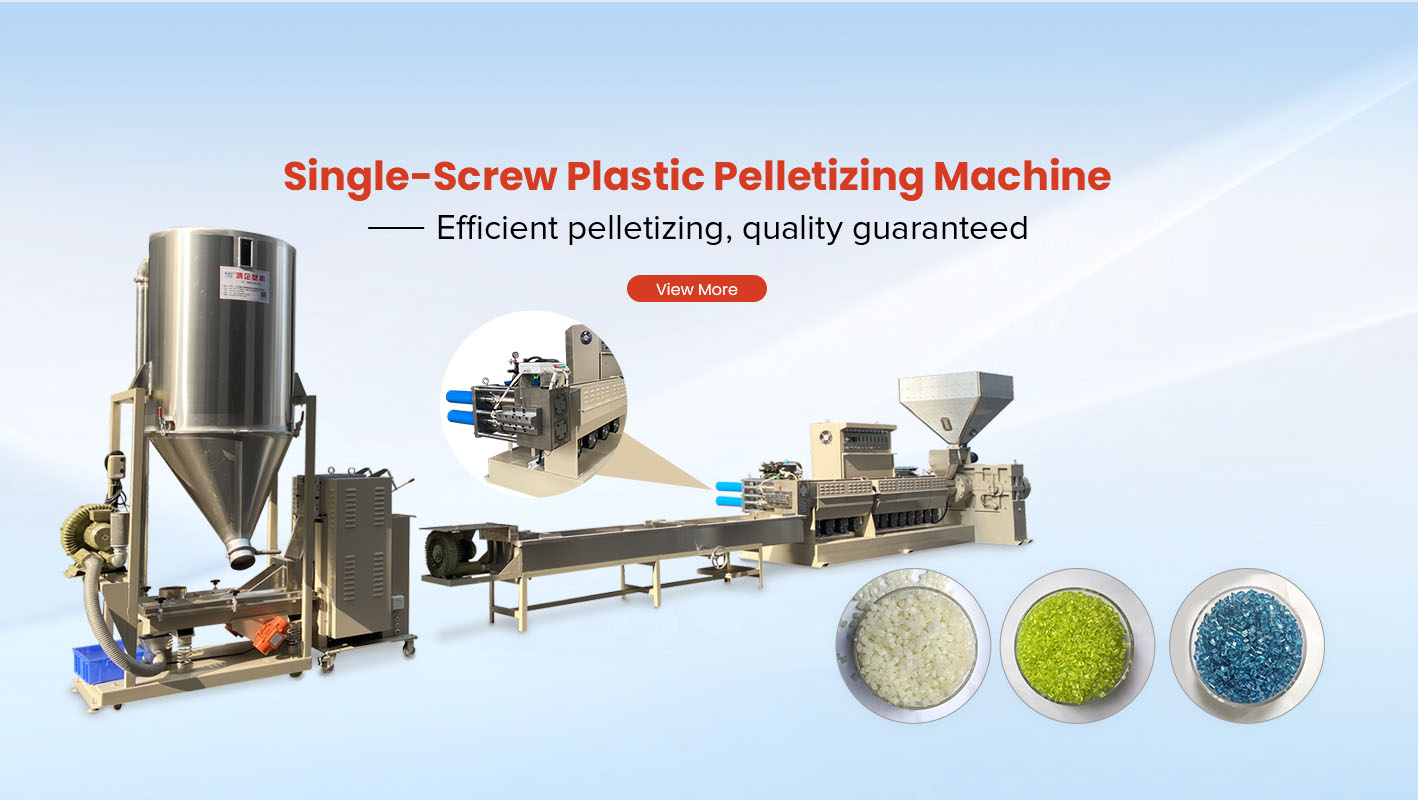
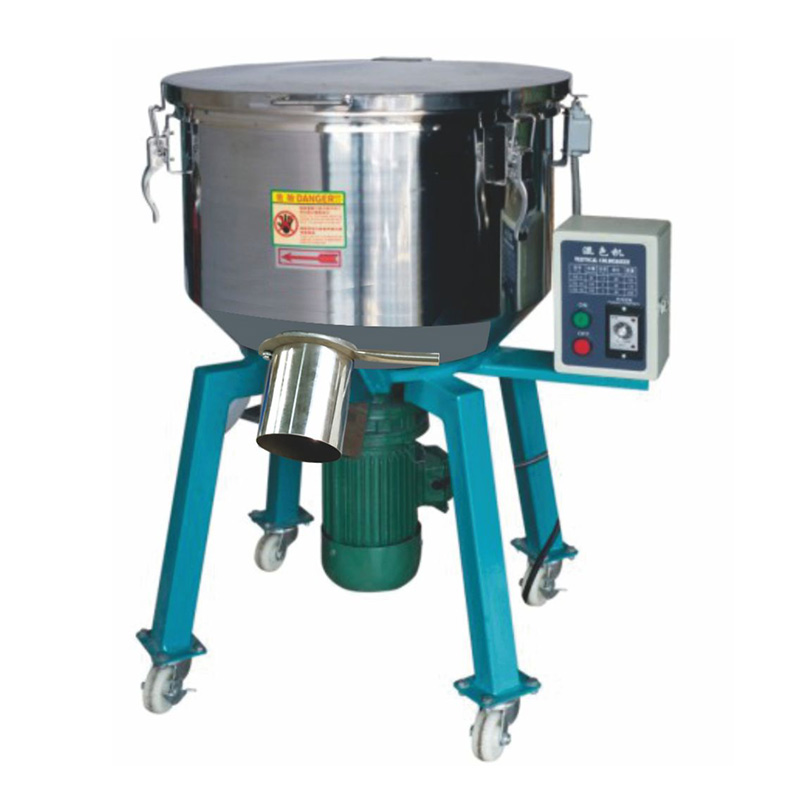
A Plastic Color Mixer Machine works in a harsh reality of production. It handles pellets, regrind flakes, masterbatch, and additives that can leave fine dust, color residue, and static-driven buildup inside the drum and discharge area. If cleaning is inconsistent, the line will usually show problems that look like material issues but are actually mixer issues, including color streaks, shade drift between batches, and longer changeover time.
Maintenance is not only about preventing breakdowns. It is also about keeping mixing quality stable, reducing scrap, and protecting your downstream extrusion or injection molding process from contamination. This guide explains practical, production-friendly cleaning and maintenance methods, and it is written to match the daily needs of users running the HONGQI Plastic Color Mixer Machine.
Why cleaning and maintenance directly affect product quality
Color mixing is sensitive. Even a small amount of leftover pigment can cause visible defects, especially when switching from dark to light colors or when using low masterbatch ratios.
The most common quality issues linked to poor mixer hygiene include the following.
Color streaks on cosmetic surfaces caused by residual masterbatch on the inner wall
Shade instability across batches caused by uneven discharge and trapped material
Black specks or contamination caused by degraded residue exposed to repeated heat
Longer stabilization time after changeover because old color continues to release slowly
Increased scrap because operators keep adjusting ratios to compensate for unstable mixing
A clean machine reduces these problems at the source and makes your production more predictable.
Safety and preparation before any cleaning work
A mixer has rotating parts, electrical controls, and a discharge system that can suddenly move if not isolated properly. Before cleaning, the preparation steps should be treated as mandatory.
Stop the machine and complete the normal shutdown procedure
Isolate electrical power using lockout and tagout rules used in your factory
Confirm the drum and moving parts have fully stopped
Allow time for any hot surfaces to cool if the machine has been running continuously
Remove remaining material inside the drum using controlled discharge, not manual scooping near moving parts
Cleaning should never be done while the machine is energized or capable of unexpected movement.
Daily cleaning for stable color changeovers
Daily cleaning is designed to remove loose dust and visible residue before it hardens. It also prevents powder accumulation that can later drop into new batches.
Cleaning the drum and mixing chamber
Discharge the material fully and run a short empty rotation to release trapped pellets
Open access points and remove loose dust using a vacuum system designed for industrial plastic dust
Wipe the inner wall with clean lint-free cloths that do not shed fibers
Focus on corners, weld seams, and the area near the discharge port where color often accumulates
Inspect the drum for thin color film. If present, repeat wiping until the surface becomes clean and uniform
Compressed air is often used in factories, but it can push pigment into seals and bearings. Vacuum cleaning is usually safer for long-term stability.
Cleaning the discharge port and outlet area
Color residue often stays in the discharge throat and can release slowly into the next batch.
Remove build-up around the gate or discharge valve
Clean the outlet channel where pellets may rub and leave dust
Check that the gate closes smoothly and seals consistently
Confirm no trapped flakes remain in dead zones
If discharge is not clean, operators often assume mixing is poor, when the real issue is delayed release of old color.
Deep cleaning for difficult color transitions
Deep cleaning is necessary when switching from black to white, when using strong pigments, or when processing materials that leave oily residue.
When deep cleaning is necessary
Deep cleaning is recommended in the following situations.
Dark to light color changeover
Strong pigment systems such as high-loading masterbatch
Long-run production where residue has time to bake onto surfaces
Any time black specks or unexpected shade drift appears in finished parts
How to perform deep cleaning without damaging the mixer
Remove the remaining material and wipe all internal surfaces
Use approved cleaning agents that do not attack steel surfaces or seals used in your plant
Clean in controlled sections, starting from discharge zones and moving upward to prevent recontamination
Avoid excessive liquid use. Wet residue can carry pigment deeper into gaps
Perform a short test batch using a neutral material if your process allows, then inspect discharge quality
Deep cleaning should restore smooth internal surfaces. Rough residue layers can trap pigments and continue to cause streaks even after normal wiping.
Preventing cross-contamination during masterbatch and additive handling
A mixer can be perfectly cleaned but still cause contamination if upstream handling is not controlled.
The following points reduce contamination risk in normal production.
Use dedicated containers and scoops for each pigment family
Prevent masterbatch dust from settling on open drum covers and surrounding surfaces
Store additives in sealed containers to reduce moisture pickup and dust spread
Maintain consistent weighing and avoid overloading that causes powder blowback during mixing
Clean surroundings often reduce defects as much as cleaning the machine itself.
Routine maintenance that extends machine life and keeps mixing stable
Cleaning protects product quality. Maintenance protects production continuity and stable operation.
Mechanical inspection
Check vibration and unusual noise, which often indicate imbalance or wear
Inspect fasteners and mounting points for loosening caused by daily operation
Confirm the drum rotates smoothly and does not show abnormal friction behavior
Check seals and gaskets around access points to prevent dust leakage
Electrical and control inspection
Confirm emergency stop function works as expected
Inspect control panel indicators and wiring integrity
Verify the machine starts and stops smoothly without shock loads
Check motor temperature during long runs and compare with normal operating baseline
Lubrication and wear management
Lubrication intervals should follow factory guidelines. Under-lubrication increases friction and energy use, while over-lubrication can attract dust.
A practical approach is to keep a stable schedule based on operating hours rather than calendar days, because production intensity varies.
Suggested maintenance schedule for production teams
A structured schedule improves consistency and reduces reliance on individual operator habits.
| Frequency | Main focus | Practical goal |
|---|
| Daily | Dust removal and surface wipe | Prevent residue buildup and color carryover |
| Weekly | Discharge zone inspection and deeper wipe | Reduce slow-release contamination |
| Monthly | Mechanical checks and electrical inspection | Prevent unexpected downtime |
| Quarterly | Comprehensive inspection and wear evaluation | Maintain stable performance long term |
The best schedule is the one your team can execute consistently. Unstable cleaning habits often lead to unstable color output.
How to diagnose common problems after cleaning
Even with cleaning, problems can occur. Diagnosis should focus on where residue can hide.
Color streaks continue after cleaning
In most cases, streaks persist because residue remains in the discharge throat, corners, or behind internal structures. The solution is targeted cleaning in the discharge area and confirming there are no dead zones trapping pellets.
Shade shifts between batches
Shade drift often results from inconsistent discharge, material segregation, or operator ratio variation. After confirming weighing accuracy, inspect for trapped material and check that the discharge gate opens and closes smoothly.
Black specks appear after long runs
Black specks can be caused by degraded residue that has been exposed to repeated heat and friction. Deep cleaning and inspection of high-friction zones is often required.
Why HONGQI plastic color mixer machines support easier cleaning and stable operation
A machine that is designed for production must also be designed for maintenance. HONGQI focuses on practical usability, stable structure, and reliable operation in daily factory environments.
The HONGQI Plastic Color Mixer Machine is built to support stable mixing and practical operation, helping users reduce changeover scrap and maintain consistent output quality over time.
Conclusion
Maintaining and cleaning a plastic color mixer machine is one of the most effective ways to protect color consistency, reduce scrap, and keep your production line stable. Daily cleaning removes dust and residue before it becomes a long-term contamination source, while routine maintenance ensures the machine continues to run smoothly and reliably.
If your line needs stable mixing performance and practical factory usability, the HONGQI Plastic Color Mixer Machine provides a production-focused solution designed for consistent operation and efficient maintenance.