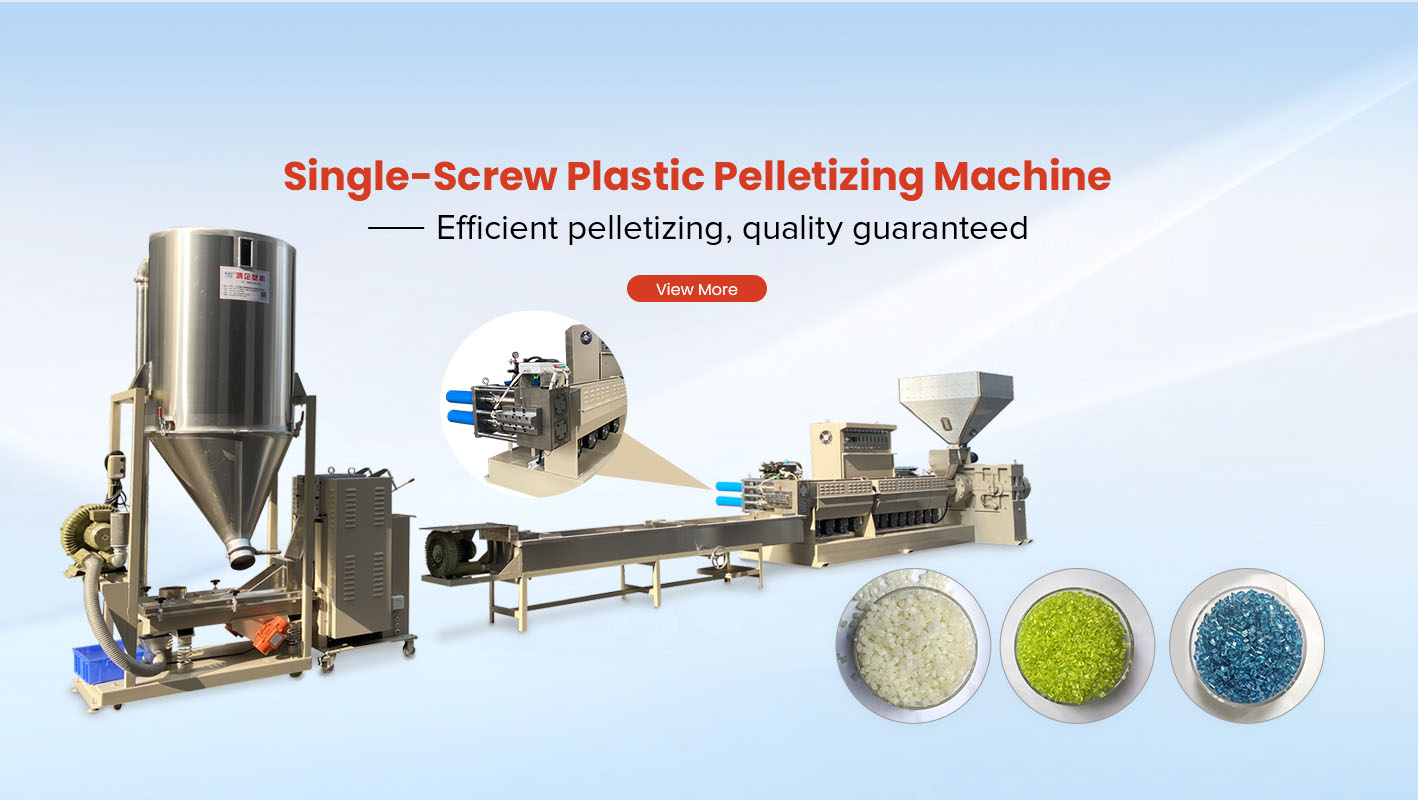
The typical output capacity of a single screw pelletizing extrusion machine is not a fixed figure. It varies based on material type, feed condition, screw design, filtration method, pelletizing mode, and how stable the machine can run over long production cycles. In real factories, capacity is measured by stable, continuous kilograms per hour rather than peak numbers achieved under ideal conditions.
HONGQI manufactures industrial-grade Single Screw Plastic Pelletizing Extrusion Machine systems designed to deliver higher effective output under comparable configurations, especially in recycling and continuous pelletizing applications.
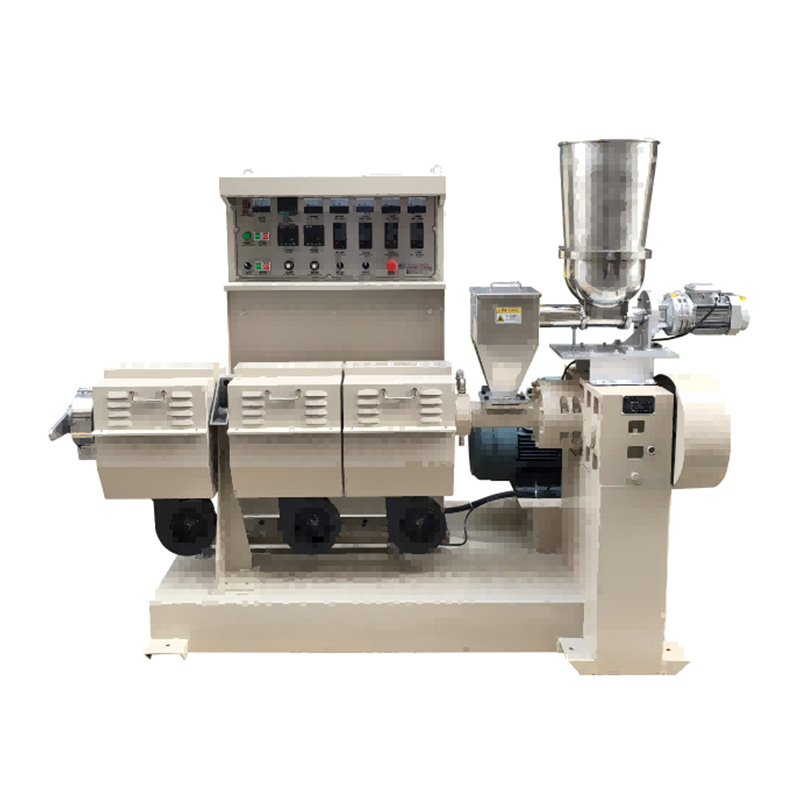
Typical output capacity ranges in real production
In practical applications, modern single screw pelletizing machines usually fall into several capacity bands. These ranges assume stable operation, qualified pellet quality, and normal filtration load.
Small-output systems: 20–60 kg/h
Common in laboratory work, material trials, or specialty plastics with strict processing windows.
Medium-output systems: 80–150 kg/h
Often used for clean regrind, uniform raw materials, and small-to-medium recycling lines.
Industrial-output systems: 200–350 kg/h
Widely applied in continuous recycling, compounding, and pelletizing operations.
High-capacity industrial systems: 400–900 kg/h
Used in large-scale recycling plants where feeding, filtration, and cooling are carefully engineered.
Actual achievable output depends on whether the line can maintain pressure stability, temperature uniformity, and pellet shape without frequent speed reduction.
Key factors that determine real output capacity
Material characteristics and melt behavior
Different plastics respond very differently in a single screw extruder. Film scrap, rigid regrind, powder blends, and engineering plastics all impose different shear and melting demands. Materials with unstable melt flow or narrow processing windows often require lower screw speeds to protect pellet quality.
A realistic capacity rating must always be linked to the material family being processed.
Feeding condition and bulk density
Low bulk density materials, such as film flakes, tend to limit feeding efficiency and reduce output stability. Consistent feeding is often the first bottleneck in pelletizing lines. A machine that looks powerful on paper may still underperform if the feed zone is not matched to the material form.
Stable feeding directly translates into stable kg/h.
Filtration load and screen changing design
Filtration resistance has a direct impact on output. As screens clog, melt pressure rises, forcing operators to reduce speed or stop production. This is why screen changer design is critical to maintaining capacity over time.
HONGQI designs and manufactures its own screen changers, allowing filtration flow channels and sealing structures to be optimized for different contamination levels. This helps maintain higher average output instead of short bursts of high throughput.
Pelletizing and cooling method
At higher throughputs, cooling efficiency becomes a limiting factor. Insufficient cooling leads to pellet deformation, sticking, and inconsistent size.
Water-cooling pelletizing offers better heat removal than air cooling, supporting higher stable output while keeping pellet shape uniform. This advantage becomes more visible as capacity increases.
Typical product vs. HONGQI product: capacity-related comparison
The table below compares a general single screw pelletizing machine and a HONGQI machine under similar configuration levels. The comparison focuses on effective production capacity rather than short-term peak output.
| Comparison Item | General Single Screw Pelletizing Machine | HONGQI Single Screw Pelletizing Machine |
|---|
| Nominal output range | 200–300 kg/h | 220–350 kg/h under same screw diameter |
| Stable continuous output | Drops as filtration load increases | Maintains higher stable kg/h over longer runs |
| Motor and inverter system | Standard commercial configuration | High-performance motor with matched inverter for stable torque |
| Screen changer | Outsourced or standard type | Self-manufactured, optimized flow channel design |
| Pressure fluctuation at high load | More frequent | Lower fluctuation, smoother melt pressure |
| Pelletizing cooling method | Air cooling or basic water cooling | Optimized water-cooling pelletizing for higher heat removal |
| Screw head efficiency | Conventional design | Finer screw head geometry for high-speed stability |
| Output consistency | More frequent speed reduction | Higher effective output at same configuration |
This comparison reflects typical production behavior observed in recycling and continuous pelletizing applications rather than laboratory test conditions.
How to estimate your required pelletizing capacity
Instead of selecting a machine based on maximum advertised output, capacity planning should start from your production target.
Define daily production requirement
Example: 10,000 kg per day
Define realistic operating hours
Example: 20 effective hours per day
Required stable capacity
10,000 ÷ 20 = 500 kg/h
Add a safety margin
A 10–20 percent margin is recommended to absorb material variation and filtration load
In this case, a machine designed for stable operation around 550–600 kg/h is more appropriate than one rated exactly at 500 kg/h.
Why stable output matters more than peak output
Peak output values are often achieved only for short periods with clean material, new screens, and ideal conditions. In real production, what matters is:
How long the machine can run without speed reduction
How stable melt pressure remains as filtration load increases
How consistent pellet size and shape stay over time
How often operators must intervene or stop the line
A machine that runs steadily at 300 kg/h for long shifts often delivers more usable production than one that briefly reaches 400 kg/h but requires frequent stops.
How HONGQI improves effective output under the same configuration
Over 20 years of manufacturing experience
HONGQI applies more than two decades of extrusion manufacturing experience to balance screw geometry, heating zones, filtration design, and pelletizing method. This system-level approach helps maintain higher real output instead of relying on aggressive screw speed.
High-performance motor and inverter configuration
Stable torque and responsive speed control are essential when melt pressure fluctuates. HONGQI selects reliable motor and inverter solutions to ensure smooth load response, helping the extruder maintain consistent speed and pellet quality under varying operating conditions.
In-house CNC machining for precision alignment
Precision machining improves alignment between screw, barrel, die head, and screen changer. Better alignment reduces vibration, pressure loss, and temperature drift, all of which contribute to higher stable throughput.
Self-manufactured screen changer for sustained capacity
By producing its own screen changers, HONGQI can match filtration structure to real scrap conditions. This reduces frequent pressure spikes and allows the machine to run closer to its target output for longer periods.
Water-cooling pelletizing advantages
Water-cooling pelletizing improves heat dissipation at higher outputs, reducing pellet sticking and deformation. This supports higher throughput without compromising pellet appearance or downstream handling.
Optimized screw head for high-speed operation
HONGQI’s screw head design focuses on efficient melt conveying and plasticizing. Under similar configuration levels, this allows higher output with lower mechanical stress, improving both productivity and equipment lifespan.
What buyers should clarify before confirming capacity
To receive a realistic capacity recommendation, buyers should clearly communicate:
Plastic type and form
Feedstock cleanliness and moisture level
Expected filtration mesh range
Desired pellet size and cooling method
Target stable output rather than peak output
These details allow HONGQI to configure a Single Screw Plastic Pelletizing Extrusion Machine that delivers consistent production results rather than theoretical performance.
Conclusion
The typical output capacity of a modern single screw pelletizing extrusion machine can range from tens of kilograms per hour to several hundred kilograms per hour, depending on configuration and application. The most important metric is not maximum output, but stable, continuous throughput with acceptable pellet quality and manageable downtime.
By combining long-term manufacturing experience, precision machining, self-made screen changers, water-cooling pelletizing, and optimized screw design, HONGQI focuses on helping customers achieve higher effective output under comparable configurations. This approach turns capacity from a brochure number into a reliable production result.