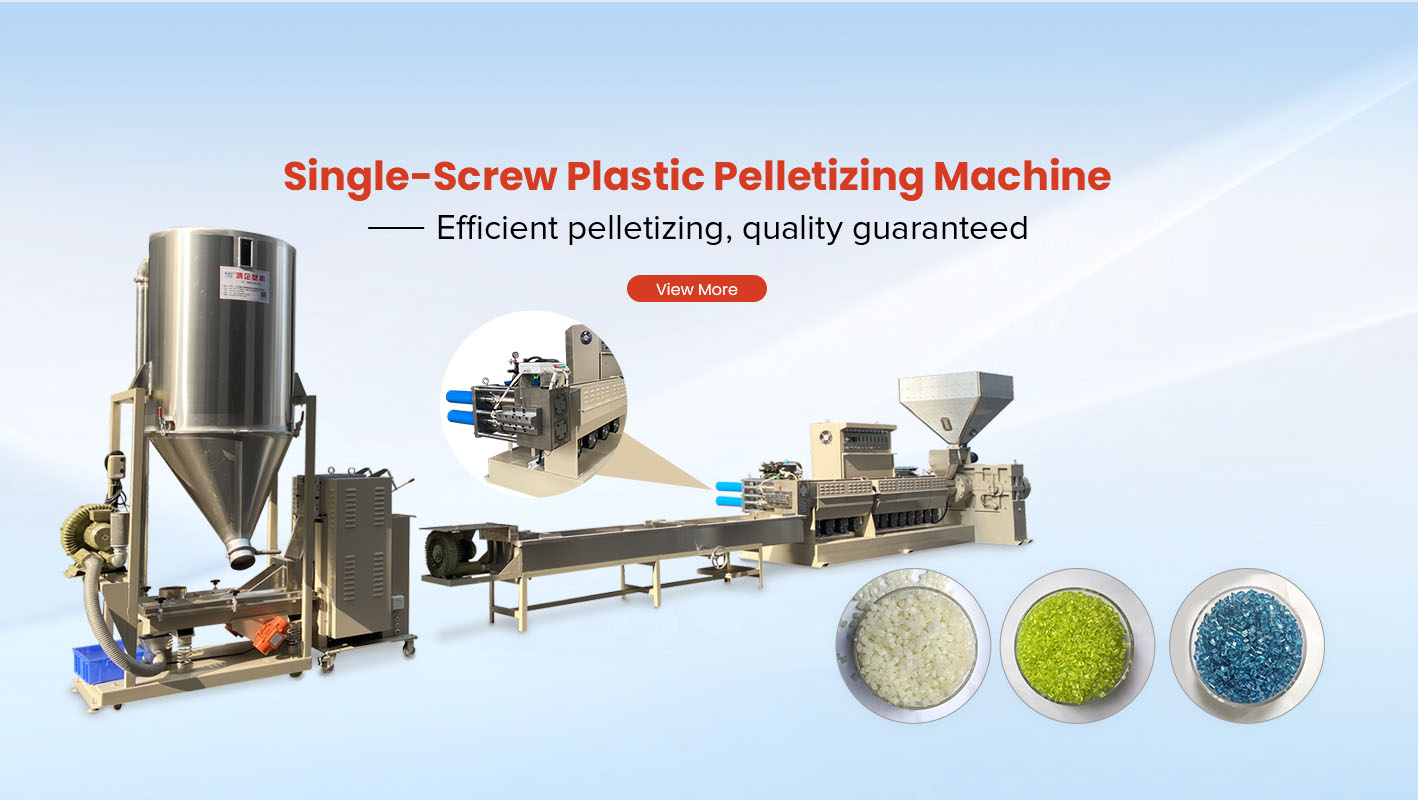
When buyers compare single screw pelletizing machines, the real difference is rarely decided by a single headline number. Machines with similar screw diameters and motor power can perform very differently once they enter continuous production. The key is to understand which technical specifications directly affect stable output, pellet quality, and long-term reliability, and which specs are often overstated without real production value.
With over 20 years of manufacturing experience, HONGQI designs single screw plastic pelletizing extrusion machines by focusing on effective capacity, thermal stability, and process matching rather than short-term peak performance. The sections below explain the most important technical specs buyers should compare and why they matter in real operation.
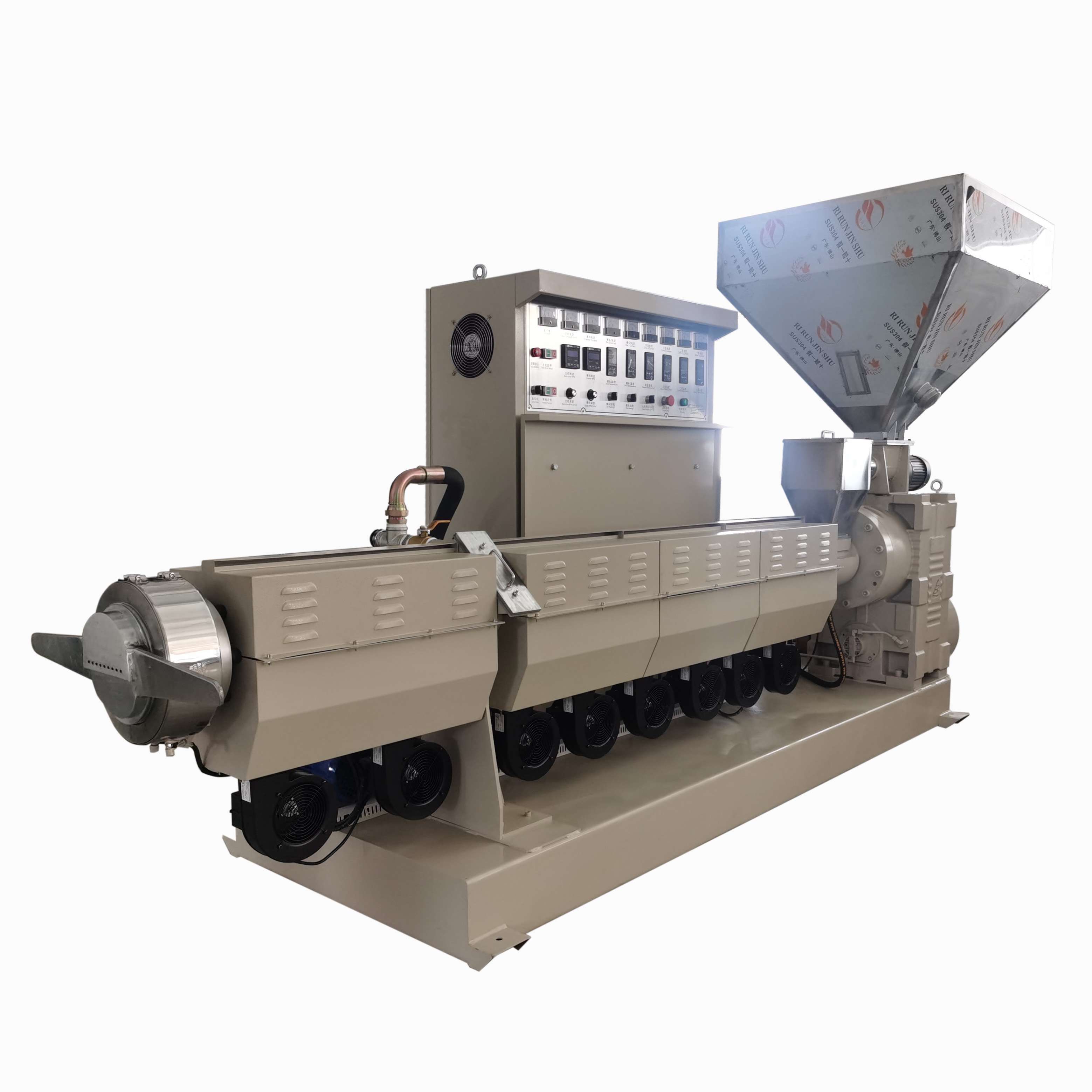
1. Output capacity must be evaluated as stable throughput
Output capacity should always be compared as continuous, stable kg/h, not maximum short-term output. Many machines can briefly reach a high number with clean material and new screens, but quickly lose stability as pressure builds.
Key points to compare:
Stable output range under normal contamination
Speed reduction frequency during long runs
Melt pressure stability at target throughput
At HONGQI, capacity is matched to screw design, motor torque, screen changer flow area, and pelletizing method so the machine can maintain output over long shifts without frequent intervention.
2. Screw diameter and L/D ratio define plasticizing efficiency
Screw diameter alone does not determine performance. The L/D ratio, pitch design, and compression structure control how evenly material melts and how stable the melt pressure becomes.
What to compare:
Screw diameter vs claimed capacity
L/D ratio suitability for recycled or mixed materials
Melt homogeneity at higher screw speeds
HONGQI uses optimized screw head geometry with a finer melt channel design. Under the same configuration level, this allows higher running speed without excessive shear or pressure fluctuation, which directly improves effective output.
3. Screw and barrel material determine wear resistance
In pelletizing lines, especially recycling applications, wear resistance is a productivity factor. Poor wear resistance leads to pressure loss, unstable output, and frequent maintenance.
Important comparison points:
With in-house CNC machining, HONGQI controls machining accuracy and fit between screw and barrel, which helps maintain consistent pressure and output over extended operating periods.
4. Temperature control zones affect pellet consistency
Temperature stability is critical for pellet appearance, cutting quality, and downstream processing. Machines with insufficient heating zones often struggle to keep melt viscosity consistent across different materials.
What to compare:
HONGQI designs multi-zone temperature control layouts that scale with machine size, allowing precise adjustment across the entire melting and conveying process.
5. Drive system quality determines torque stability
Motor power alone does not guarantee stable production. What matters is torque stability and speed response under fluctuating load conditions.
Key aspects to evaluate:
Motor and inverter matching
Torque reserve at operating RPM
Speed stability during pressure changes
HONGQI uses a proven motor and variable-frequency inverter system that maintains stable torque output, helping the screw run smoothly even as filtration resistance increases.
6. Screen changer design directly impacts uptime
Filtration is one of the most underestimated specs in pelletizing machines. As screens clog, pressure rises, forcing speed reduction or shutdown.
What to compare:
HONGQI manufactures screen changers in-house, allowing filtration structure and sealing design to be matched to material contamination levels. This reduces pressure spikes and keeps output stable for longer production cycles.
7. Cooling systems protect continuous operation
High-throughput pelletizing generates significant thermal load. Without proper cooling, viscosity drifts and mechanical stress increases.
Important specs include:
HONGQI integrates gearbox oil cooling and properly scaled barrel cooling systems to support long-duration operation without thermal degradation.
8. Feeding system stability affects output consistency
Unstable feeding leads to pressure fluctuation, pellet size variation, and output loss.
When comparing machines, check:
HONGQI feeding systems are configured to match the target output range, ensuring continuous material supply without starvation or overload.
9. Pelletizing and cooling method limits final capacity
At higher throughput, pelletizing becomes the bottleneck if cooling is insufficient.
Comparison factors:
Air cooling vs water cooling pelletizing
Cutting motor power and control
Pellet shape consistency at high speed
HONGQI adopts water-cooling pelletizing systems to improve heat removal efficiency. This supports higher output while maintaining uniform pellet shape and reducing fines.
10. Structural design and machining accuracy affect long-term reliability
Beyond core components, overall machine structure and machining quality determine vibration levels, alignment stability, and maintenance frequency.
What to compare:
With our own CNC machining capability, HONGQI maintains tight tolerances across key components, supporting smoother operation and longer service life.
General Market Machines vs HONGQI Configuration Comparison
| Technical Aspect | General Market Configuration | HONGQI Configuration |
|---|
| Output philosophy | Peak output focus | Stable continuous output focus |
| Screw design | Standard geometry | Optimized fine-channel screw head |
| Motor & inverter | Generic matching | High-torque matched drive system |
| Screen changer | Outsourced standard unit | In-house manufactured, material-matched |
| Pelletizing method | Air cooling or basic water cooling | Optimized water-cooling pelletizing |
| Machining capability | Outsourced parts | In-house CNC machining |
| High-speed stability | Speed limited by pressure fluctuation | Higher speed under same configuration |
How to use these specs when selecting a machine
When requesting quotations, compare machines using the same baseline:
This approach reveals whether a supplier is offering real production capability or just a higher brochure number.
Conclusion
The most important technical specs in single screw pelletizing machines are the ones that protect stable output, melt consistency, and uptime. Screw design, drive system matching, filtration strategy, cooling capacity, and machining precision all interact to determine real performance.
By combining over 20 years of manufacturing experience, in-house CNC machining, self-made screen changers, optimized screw head design, reliable motor and inverter systems, and water-cooling pelletizing advantages, HONGQI focuses on delivering higher effective output under the same configuration level. This is what allows our single screw pelletizing machines to perform reliably in long-term industrial production rather than only in short-term tests.