Color consistency and material uniformity are critical factors in plastic processing. Whether producing molded parts, extruded products, or recycled pellets, uneven color distribution or poor additive dispersion can directly lead to quality complaints, higher scrap rates, and unstable downstream processing. A Plastic Color Mixer Machine is designed to solve these problems by ensuring materials are blended evenly before they enter the main production line.
At HONGQI, we design and manufacture the plastic color mixer machine as a core auxiliary unit for plastic extrusion, injection molding, and recycling lines. Our focus is not only on mixing speed, but on repeatable mixing accuracy, mechanical stability, and long-term operating reliability under industrial conditions.
1. Improved color uniformity across every batch
One of the most direct benefits of using a plastic color mixer machine is achieving consistent color distribution. When plastic granules, masterbatch, and additives are mixed manually or unevenly, color streaking and shade deviation often appear in finished products.
A properly designed color mixer uses controlled rotational motion and optimized blade geometry to create full material circulation inside the mixing chamber. This allows color masterbatch to coat each granule evenly rather than concentrating in localized zones. In real production, this significantly reduces visible color variation between batches, especially for light colors and high-gloss products where inconsistency is more noticeable.
HONGQI mixers are engineered to maintain uniform mixing even at higher load ratios, which is essential when customers run frequent color changes or use recycled materials with variable base tones.
2. Higher production efficiency and shorter preparation time
Manual mixing or inadequate pre-mixing slows down production because operators must correct color issues during processing or scrap unstable batches. A plastic color mixer machine shortens preparation time by completing accurate blending before material enters the main machine.
In typical factory operations, a vertical color mixer with a capacity of 100–300 kg can complete one full mixing cycle within minutes, depending on material density and additive ratio. This allows operators to prepare multiple batches in advance and feed material continuously, reducing idle time on extrusion or injection equipment.
By stabilizing material input quality, HONGQI color mixers help downstream machines run closer to their rated output, improving overall line efficiency rather than shifting problems further down the process.
3. Reduced material waste and lower scrap rates
Color inconsistency is a common cause of scrap, especially in appearance-sensitive products such as packaging, consumer goods, and automotive components. Once defective parts are produced, they often require regrinding or disposal, increasing cost and energy consumption.
Using a plastic color mixer machine minimizes this risk by ensuring additives and pigments are distributed evenly from the first kilogram onward. In long production runs, this consistency reduces start-up scrap and eliminates the need for repeated adjustments.
For recycling operations, uniform mixing is even more important. Recycled granules often vary in color and composition, and effective mixing helps balance these variations, resulting in more stable pellet color and improved resale value.
4. Better control over additive and masterbatch dosage
Precise control of additives such as color masterbatch, fillers, stabilizers, or anti-static agents is essential for both quality and cost control. Overdosing increases raw material cost, while underdosing leads to unstable performance or appearance defects.
A plastic color mixer machine allows operators to set consistent mixing ratios and time, ensuring that additives are distributed according to formulation requirements. Once parameters are established, the process becomes repeatable, reducing reliance on operator experience alone.
HONGQI mixers are designed to maintain stable mixing performance even when additive ratios are low, which is particularly important for high-cost masterbatches or functional additives.
5. Adaptability to different materials and production scales
Plastic processing plants often work with a wide range of materials, including PE, PP, PS, ABS, PVC, and recycled blends. Each material behaves differently in terms of flow, density, and mixing requirements.
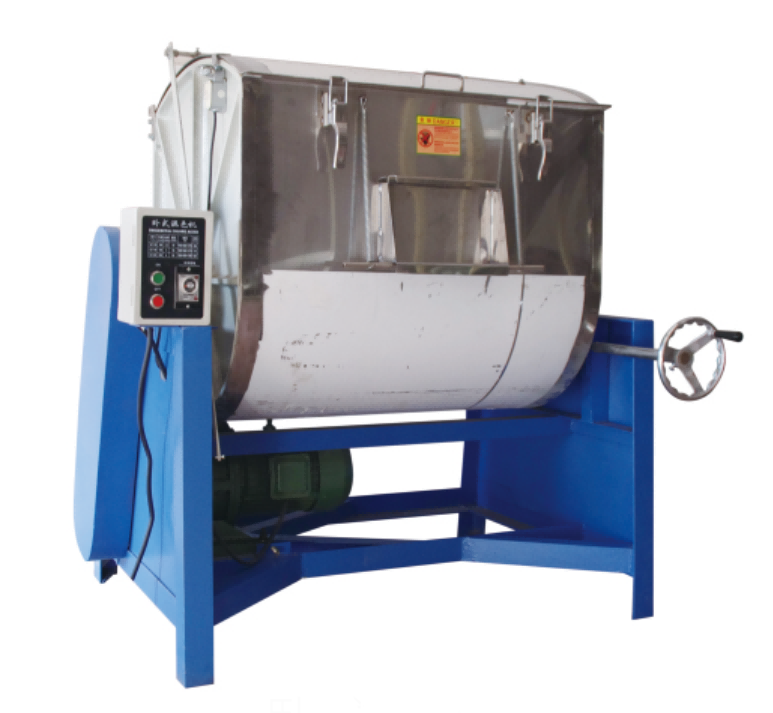
Plastic color mixer machines are available in different structural designs to meet these needs. Vertical mixers are typically compact and suitable for granular plastics and color powders, while horizontal mixers offer more aggressive mixing action for heavier or more complex material blends.
HONGQI provides multiple mixer capacities, allowing manufacturers to match mixer size to their actual batch volume rather than overloading or underutilizing equipment. This flexibility is especially valuable for factories handling both small trial batches and regular production runs.
6. Stable operation and low maintenance requirements
In continuous production environments, Auxiliary Equipment must be reliable. Frequent breakdowns or difficult cleaning procedures can disrupt the entire line.
A well-designed plastic color mixer machine uses wear-resistant materials, reinforced structures, and smooth internal surfaces to reduce mechanical stress and residue buildup. Stable motor operation and balanced rotation minimize vibration, which extends service life and reduces maintenance frequency.
HONGQI designs mixers with durability in mind, ensuring they can operate reliably in dusty, high-load industrial environments while remaining easy to clean and maintain between material changes.
7. Energy-efficient mixing without excessive power consumption
Efficiency is not only about speed, but also about how much energy is consumed to achieve consistent results. Oversized or poorly designed mixers can waste energy without improving mixing quality.
Plastic color mixer machines are designed to deliver effective blending at controlled rotational speeds, using motor power efficiently rather than aggressively. This balance reduces electricity consumption while still achieving uniform mixing within a short cycle time.
For factories operating multiple mixers or running long shifts, this energy efficiency contributes to lower operating costs and more predictable production expenses.
8. Enhanced downstream processing stability
Material consistency directly affects the performance of extrusion and injection machines. Unevenly mixed material can cause fluctuations in melt pressure, temperature instability, and inconsistent product dimensions.
By feeding uniformly mixed material into the main processing equipment, a plastic color mixer machine helps stabilize melt behavior. This leads to smoother extrusion, more consistent injection cycles, and reduced mechanical stress on screws, barrels, and molds.
In practice, this stability extends equipment life and improves overall process control, especially in high-speed or precision-oriented applications.
9. Practical comparison of manual mixing vs. plastic color mixer machine
| Aspect | Manual Mixing | Plastic Color Mixer Machine |
|---|
| Color uniformity | Inconsistent, operator-dependent | Repeatable and uniform |
| Preparation time | Long and labor-intensive | Short and automated |
| Scrap risk | High during start-up | Significantly reduced |
| Additive control | Difficult to standardize | Accurate and consistent |
| Batch repeatability | Low | High |
| Suitability for recycling | Limited | Highly effective |
This comparison highlights why most professional plastic processing lines rely on dedicated color mixing equipment rather than manual methods.
10. Why plastic color mixers are a long-term investment
Although a plastic color mixer machine is an auxiliary unit, its impact extends across the entire production line. Improved color accuracy, reduced scrap, stable processing conditions, and lower labor dependence all contribute to measurable long-term savings.
When evaluated over months or years of operation, the return on investment often comes from improved product consistency and reduced waste rather than mixing speed alone.
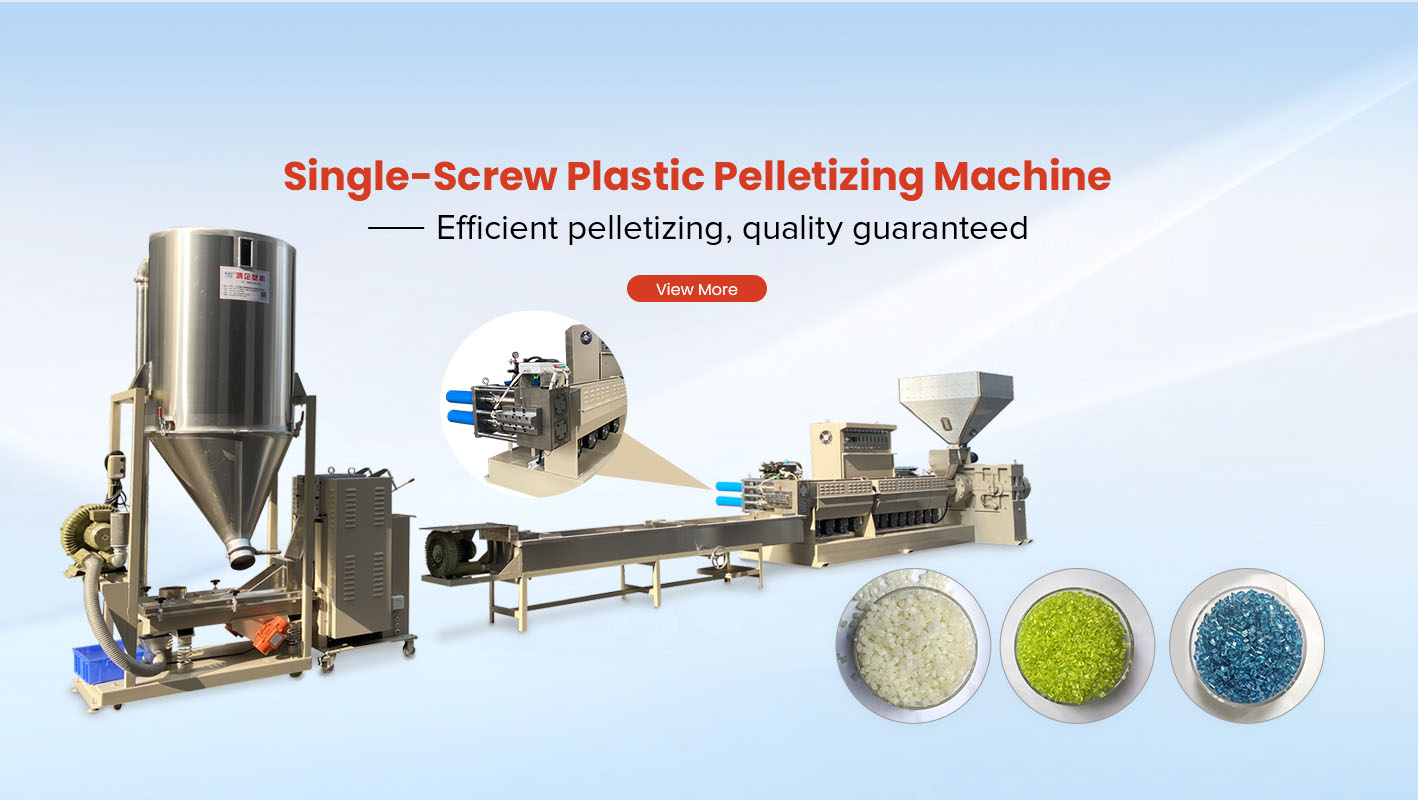
At HONGQI, our plastic color mixers are designed as part of a complete processing system, working seamlessly with extrusion, pelletizing, and injection molding equipment to support efficient, scalable production.
Conclusion
The benefits of using a plastic color mixer machine go far beyond simple blending. From improved color uniformity and reduced waste to higher production efficiency and downstream stability, this equipment plays a critical role in modern plastic processing.
By applying proven mechanical design, practical capacity matching, and industrial-grade durability, HONGQI’s plastic color mixer machine helps manufacturers achieve consistent quality and reliable production results across a wide range of materials and applications. For factories seeking better control, lower scrap rates, and smoother operations, investing in a professional color mixing solution is a practical and strategic decision.