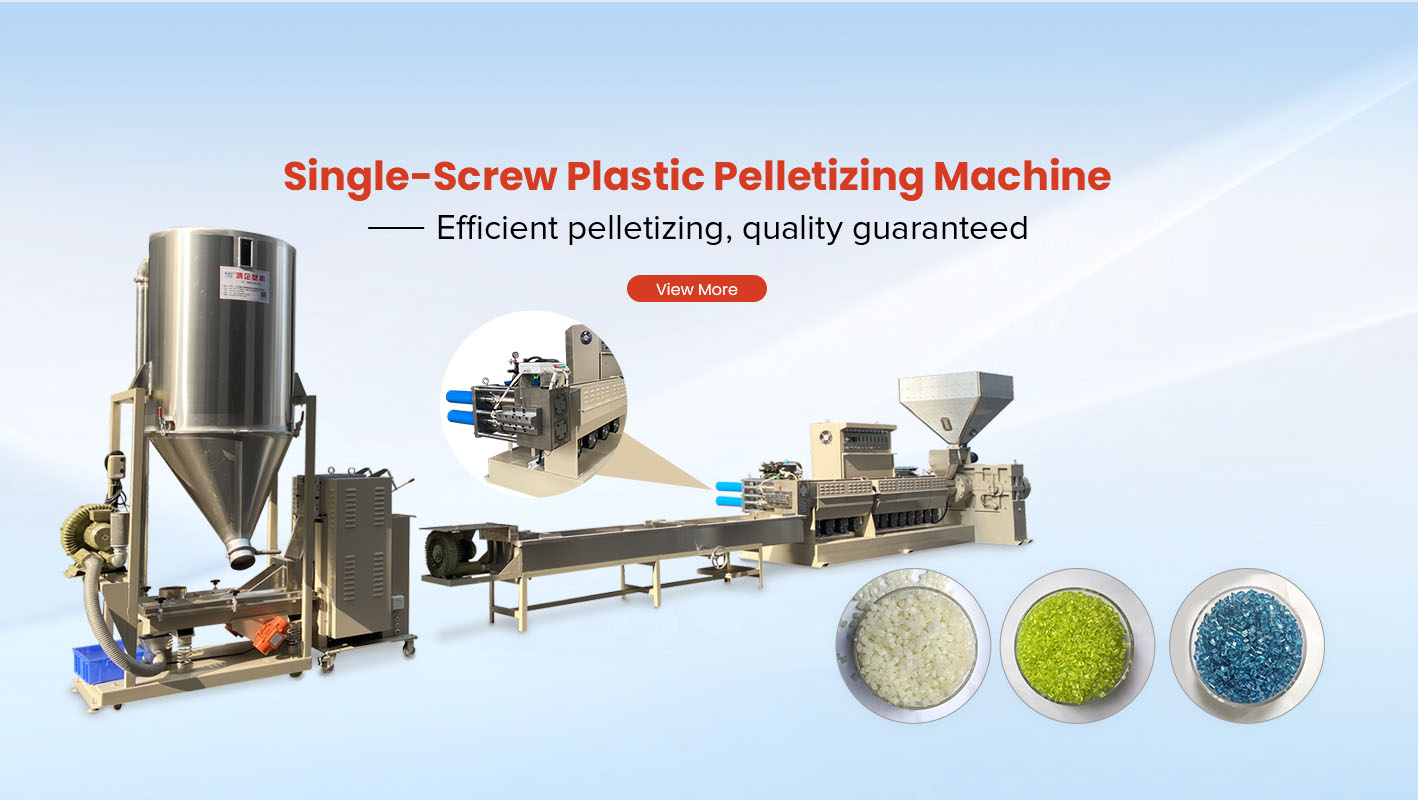
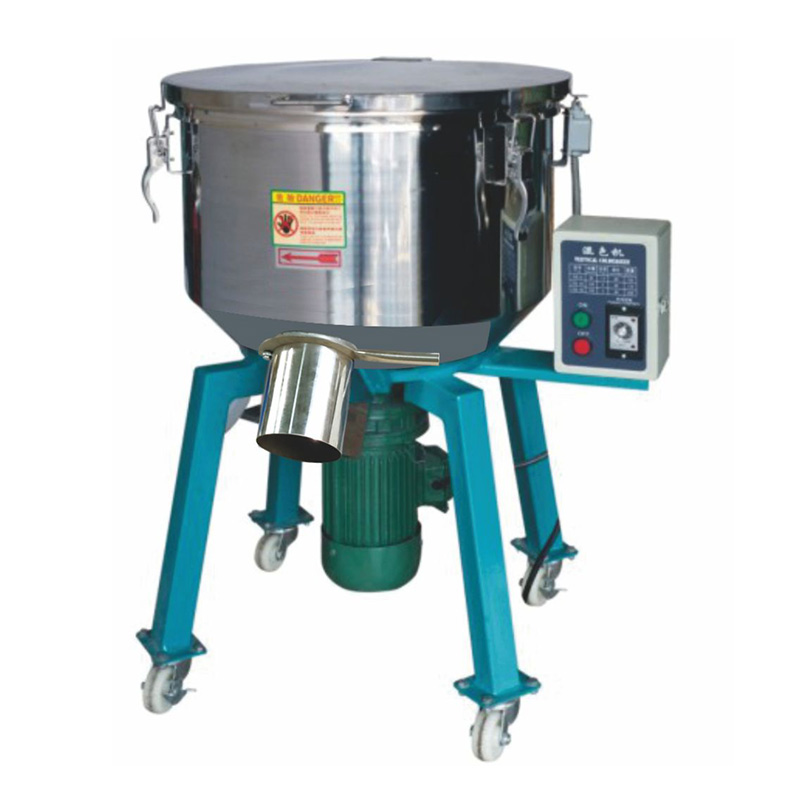
A Plastic Color Mixer Machine looks simple from the outside, but it combines rotating parts, electrical power, heavy materials, and airborne dust in one workstation. Most incidents happen during routine actions such as feeding, cleaning, inspection, or clearing a jam, not during normal mixing. That is why safe operation must be built around a clear workflow: verify the machine’s condition before start-up, keep hands and tools away from moving zones, control dust exposure, and use lockout procedures whenever the lid is opened for service.
As a manufacturer, we design our plastic color mixer machine with practical safety in mind: stable structure, predictable controls, and service-friendly access so operators can follow safe steps without taking shortcuts. The following tips cover the safety fundamentals that protect both people and production quality.
Understand the main hazards before you start
A plastic color mixer is built to move material aggressively. That same energy can hurt operators if it is misused. Safety begins with understanding what can go wrong:
Rotating shaft and blades can catch gloves, sleeves, or cleaning rags.
Heavy bags, drums, and hoppers can strain backs or cause crush injuries during loading.
Color masterbatch and powder additives can produce dust that irritates eyes and lungs.
Static electricity can cause nuisance shocks, attract dust, and increase housekeeping risk.
Unexpected restart can occur if the machine is not properly isolated during cleaning.
Once these hazards are recognized, the rest of the safety program becomes easier to enforce.
Follow a structured pre-start inspection routine
Pre-start checks reduce the highest-risk failures: loose fasteners, damaged cables, abnormal noise, and unsafe guarding. A consistent inspection routine also helps operators detect problems early rather than reacting while the machine is running.
Key checks to complete before each shift:
Confirm guards and covers are installed and secured.
Verify the lid and any interlock-related mechanisms are functioning normally.
Check the emergency stop function and ensure it is reachable.
Inspect power cable condition and confirm there is no exposed wiring.
Ensure the mixing chamber is empty of tools, bolts, or leftover debris.
Confirm the machine is level and stable to prevent vibration during operation.
If any item fails inspection, do not run the mixer. Fixing a small issue before start-up prevents a high-risk situation later.
Use the correct PPE and control dust exposure
Dust control is a safety and cleanliness issue. Fine powders and color additives can become airborne during pouring and can spread to adjacent equipment. This affects operator health and can contaminate other production batches.
Use PPE based on your material type:
Eye protection to prevent additive splash or dust irritation.
Dust mask or respirator when handling powders or dusty regrind.
Gloves suitable for material handling, but never use loose gloves near rotating parts.
Hearing protection if your plant noise level requires it.
Good housekeeping reduces risk as much as PPE. Keep the area dry, sweep spilled pellets immediately, and remove powder residue from platforms and lids to prevent slipping and unintended contamination.
Load materials safely and reduce manual handling risk
Many injuries occur during loading, not mixing. Bags of resin, masterbatch cartons, and additive drums can be heavy and awkward to lift. The safest loading process reduces lifting height and avoids twisting motions.
Practical loading rules:
Use lifts, trolleys, or hoists for large bags and containers.
Keep your back straight and lift with your legs.
Avoid standing on unstable objects to reach the hopper or lid.
Do not overload the chamber beyond the rated batch volume, because overflow increases cleanup risk and can interfere with the lid seal.
If your workflow requires frequent color changes, prepare materials in a dedicated staging zone so operators do not rush and spill powders while the mixer is running.
Never open, reach, or clean while the mixer is running
This is the most important operational rule. Even a brief attempt to “quickly adjust” material distribution while the shaft is moving can cause serious injury. The correct approach is to stop the machine fully, confirm rotation has stopped, and isolate power for any internal access.
Safe internal access must follow three steps every time:
Stop the machine using the normal stop command.
Confirm the shaft has completely stopped moving.
Apply lockout and tagout if the lid is opened for cleaning, inspection, or jam removal.
Apply lockout and tagout for cleaning and maintenance
Lockout and tagout is not only for major repair. It must be used whenever hands or tools enter the mixing zone. An unexpected restart can happen due to control faults, operator mistake, or residual energy.
A practical lockout approach:
Switch off the main power isolator.
Lock the isolator in the OFF position.
Place a tag showing operator name, time, and reason.
Verify zero energy by attempting a start command after lockout.
Wait until all movement has stopped before opening the lid.
If your site uses compressed air for feeding accessories, isolate and depressurize pneumatic lines as well.
Control static and avoid cross-contamination during color changes
Static is a common issue in mixing environments, especially with dry pellets and powders. Static increases dust accumulation and can shock operators, causing reflex actions such as stepping back quickly near equipment.
Basic static-control practices:
Ensure the machine and nearby metal structures are properly grounded.
Keep humidity in a reasonable range if your plant environment is extremely dry.
Avoid wiping with highly insulating cloths that increase static buildup.
Color-change safety is also about cleanliness. Residual masterbatch can contaminate the next batch and push operators to do risky “fast cleaning” while the machine is still warm or partially running. A safe procedure requires full stop, lockout, and defined cleaning time.
Keep operating parameters stable to reduce abnormal events
Unsafe situations often begin with unstable operation: excessive vibration, abnormal noise, unexpected surging, or repeated tripping. These symptoms usually indicate overloading, worn parts, imbalance, or foreign objects inside the chamber.
Operational stability tips:
Use consistent batch size and mixing time.
Avoid extreme mixing time that heats material and increases odor or fume risk.
Stop immediately if you hear metal impact sounds or feel abnormal vibration.
Investigate the cause before restarting, not after multiple retries.
Our design philosophy at HONGQI emphasizes stable rotation, predictable controls, and robust structure so operators can run standard recipes without frequent intervention.
Use safe cleaning methods that do not create secondary hazards
Cleaning is where shortcuts happen. It is also where many injuries occur. Good cleaning practice protects operators and protects product quality.
Safe cleaning guidance:
Always lock out before scraping or wiping inside the chamber.
Use non-sparking tools when appropriate for your environment.
Avoid compressed air blasting that spreads powder into the air and into bearings or electrical zones.
Collect powder with a suitable vacuum system rather than dry sweeping.
Dispose of leftover color material according to your site’s waste rules.
If solvents are used for cleaning, confirm ventilation, compatibility with plastics, and proper storage. Solvent misuse is a separate risk category and should be controlled with site-level procedures.
Table: Safety checklist by operation stage
| Operation Stage | What to Do | What Risk It Prevents |
|---|
| Pre-start | Check guards, emergency stop, cables, chamber cleanliness | Startup incidents, unexpected vibration, electrical faults |
| Feeding | Use lifting aids, avoid overloading, control dust | Strain injuries, spills, dust exposure |
| Running | Keep covers closed, stay clear of rotating zones | Entanglement, impact injuries |
| Color change | Stop fully, lockout, clean in a defined sequence | Cross-contamination, unsafe fast cleaning |
| Maintenance | Lockout, verify zero energy, document work | Unexpected restart, severe injury |
| Housekeeping | Clean spills, remove powder residue, maintain dry floor | Slips, contamination, dust buildup |
Common unsafe behaviors and safer alternatives
| Unsafe Behavior | Why It Happens | Safer Alternative |
|---|
| Reaching in to break a bridge | Operator wants faster feeding | Stop, lockout, use a tool only after rotation stops |
| Cleaning while the shaft coasts | Misjudging stop time | Confirm full stop, then lockout before internal access |
| Overfilling to reduce cycles | Trying to boost output | Keep batch volume within rated capacity for stable mixing |
| Using compressed air to clean powders | Convenience | Use vacuum collection and controlled wiping methods |
| Skipping PPE for short tasks | Underestimating dust | Treat every powder pour as a dust exposure event |
Why a manufacturer-designed safety approach matters
Safe operation depends on operator behavior, but it also depends on whether the machine is designed to support safe behavior. When controls are unclear, access is awkward, or maintenance requires excessive disassembly, operators are more likely to take shortcuts.
HONGQI builds Auxiliary Equipment with practical operation in mind: stable structure, clear control logic, and service-friendly design so maintenance steps can be completed properly. If you are planning an auxiliary upgrade for material mixing, our plastic color mixer machine is engineered for reliable daily operation in real workshops and continuous production environments.
Conclusion
Operating a plastic color mixer machine safely requires disciplined routines: pre-start inspection, dust control, safe loading, strict no-access while running, and lockout procedures for any internal cleaning or service. Most incidents occur during shortcuts, not during normal mixing, so the safest plants treat cleaning and color change as controlled operations with defined steps. With the right operating standard and a mixer designed for stable, predictable production, factories can protect operators while also improving batch consistency and downstream processing stability.