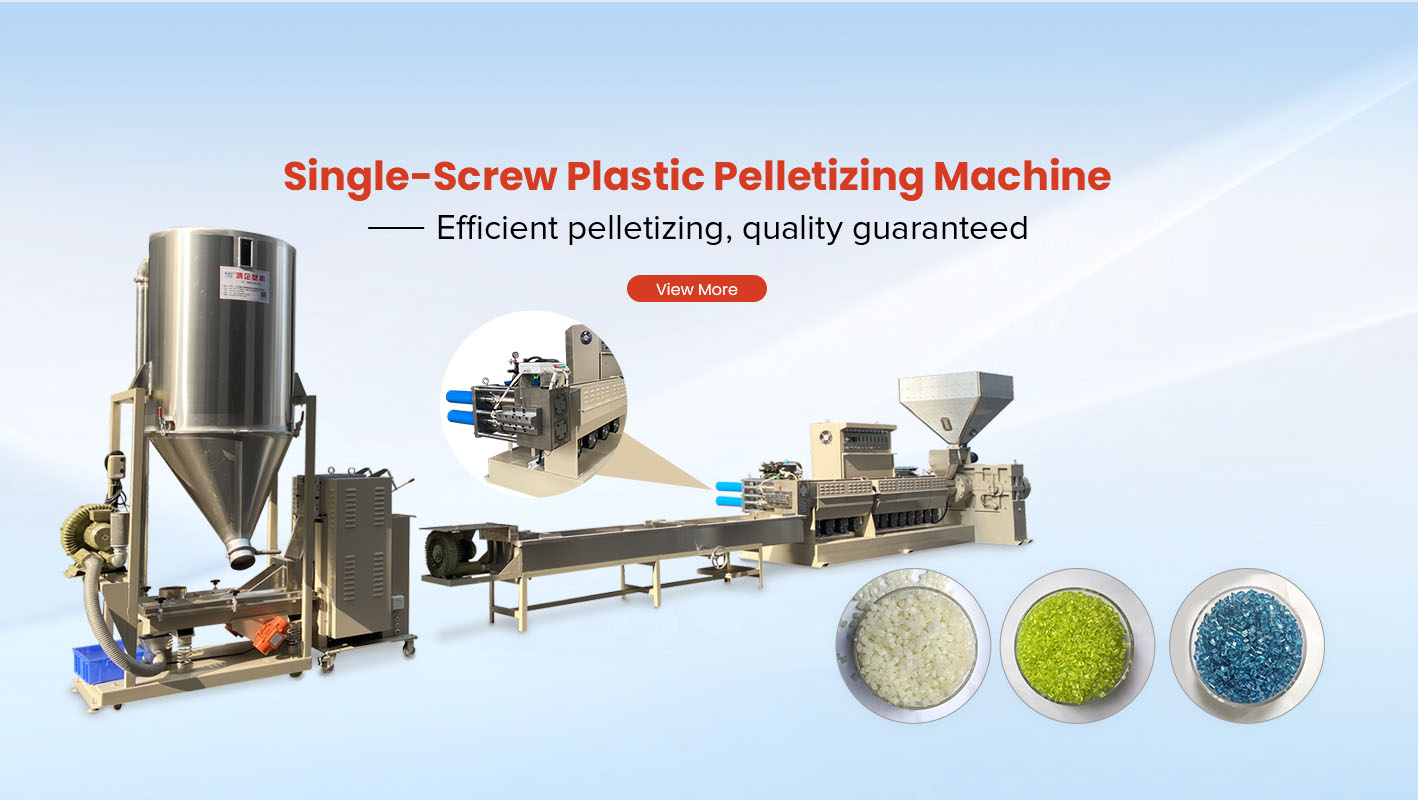
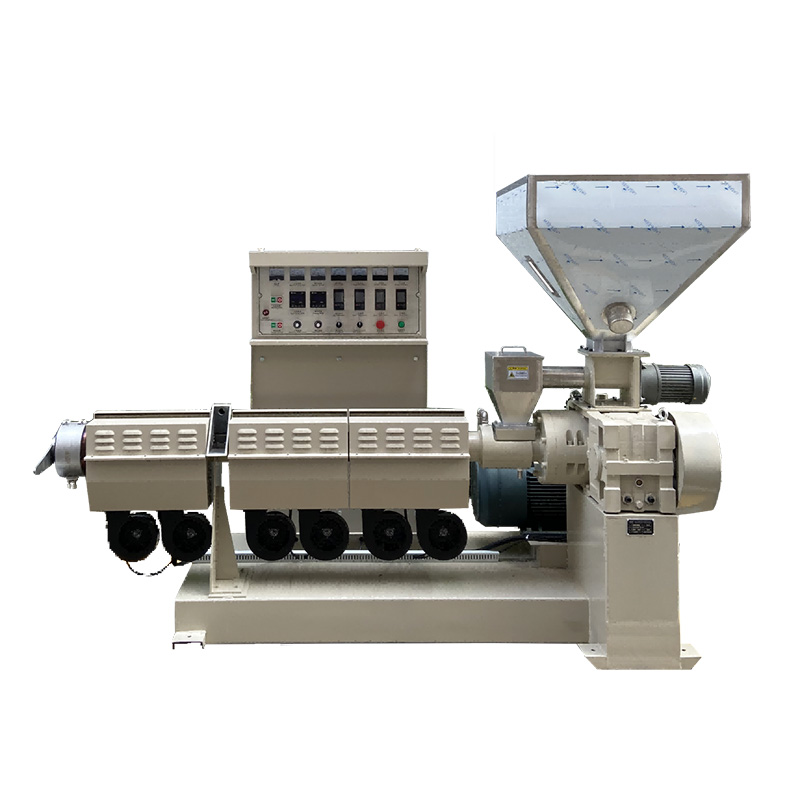
A single screw plastic pelletizing extrusion machine runs best when maintenance is planned around heat, pressure, contamination control, and wear management. Most downtime is not caused by one big failure. It starts with small signals such as unstable melt pressure, rising motor load, uneven pellet size, temperature drift, or screen pack blockage. If you service the right parts on a routine schedule, you can protect throughput, keep pellets consistent, and extend the life of high-cost components like the screw, barrel, gearbox, and die.
This guide walks through a practical maintenance and service program for a single screw pelletizing line. It applies to recycling and compounding operations where stable output and predictable quality matter. For reference, HONGQI supplies complete pelletizing solutions and supports service planning for the single screw plastic pelletizing extrusion machine.
Build a maintenance plan around your material and operating mode
Maintenance frequency depends on what you run and how you run it. A line processing clean virgin resin typically needs less frequent cleaning than a recycling line handling mixed or printed scrap. Your screw design, filtration setup, and pelletizing method also affect what to inspect.
Before you set a schedule, confirm these operating details:
Resin family and contamination level
Regrind, film flakes, and post-consumer feedstock usually bring more fines, moisture, and foreign particles.
Typical temperature window and throughput
High output and high temperature accelerate oxidation, deposit formation, and heater stress.
Filtration method
Screen changers reduce downtime but can hide rising contamination until pressure spikes.
Pelletizing method
Strand, water-ring, or underwater systems each have unique wear points and cleaning needs.
A simple approach is to start with conservative intervals, then adjust using real measurements such as melt pressure trend, motor current trend, and screen change frequency.
Daily and shift-start checks that prevent most unplanned stops
Daily checks are the highest return activities because they catch early drift. Keep them short, measurable, and consistent across operators.
Recommended daily checks:
Verify lubrication condition
Confirm gearbox oil level and look for foam, discoloration, or burnt odor. Check bearing points and grease points if your configuration uses them.
Check temperature stability
Compare set temperature vs actual temperature by zone. A repeated deviation in one zone often signals heater band aging, thermocouple looseness, or poor contact.
Monitor melt pressure behavior
Record melt pressure at steady state. A gradual increase often indicates screen pack loading, die deposit build-up, or rising contamination.
Observe motor load and vibration
Rising current at constant output can indicate screw/barrel wear, contamination, or bearing issues. New vibration patterns can indicate coupling misalignment or gearbox problems.
Inspect cooling and water circuits
Confirm flow, pressure, and temperature. Scaling or low flow can lead to pellet defects and unstable cutting.
Check pellet quality at the start of the run
Look for tailing, fused pellets, excessive fines, or inconsistent size, then trace back to die temperature, cutter condition, or cooling stability.
Confirm safety devices
Verify E-stops, guards, interlocks, and pressure relief behavior. Safety checks reduce risk during screen changes and die cleaning.
These checks should be recorded as numbers and observations, not general statements. A trend log is more valuable than a single snapshot.
Weekly and monthly service actions for stable output and wear control
Weekly and monthly maintenance focuses on cleaning, tightening, and calibration tasks that stop performance drift.
Weekly service actions:
Clean and inspect hopper, feed throat, and magnets
Remove dust and fines that can bridge or cause inconsistent feeding. Check magnets for metal capture and clean them on a defined frequency.
Inspect screen pack and breaker plate condition
Look for uneven loading patterns that might indicate poor mixing, contamination, or incorrect screen stack design.
Check heater band clamping and wiring integrity
Loose heater bands reduce heat transfer and create hot spots. Inspect for oxidized terminals and insulation damage.
Inspect die face and flow uniformity
Uneven flow can cause pellet size variation. Early deposit build-up is easier to remove before it becomes hard carbon.
Monthly service actions:
Verify alignment of motor, coupling, gearbox, and screw shaft
Misalignment increases bearing load and vibration. Recheck after any major thermal cycle or maintenance removal.
Check gearbox oil quality and temperature
If oil darkens quickly or runs hot, investigate load, cooling, and contamination.
Inspect cutter system and pelletizer wear
Dull cutters increase fines and heat. Check clearance, blade condition, and cutter head runout.
Confirm sensor calibration behavior
Compare melt temperature readings with a secondary reference if possible. Sensor drift can lead to incorrect processing and unnecessary overheating.
A controlled schedule avoids the common mistake of reacting only when output drops. By then, deposits and wear are already advanced.
Critical component maintenance: screw, barrel, die, and filtration
These components decide melt quality, stability, and energy consumption. Proper inspection prevents costly rebuilds.
Screw and barrel care:
Track output per amp trend
If the line needs more torque to produce the same output, check for wear or deposits. Wear reduces pumping efficiency and increases slip.
Inspect screw flights during planned shutdowns
Look for rounding, pitting, and polishing marks. Severe polishing can signal abrasive fillers or contamination.
Check barrel wear at high-load zones
Feed section and compression zone often wear first in recycling applications.
Use proper cleaning compounds and temperature control
Overheating during cleaning can carbonize residues and make removal harder later.
Die and breaker plate care:
Clean die holes and die face on a schedule
Carbon deposits reduce flow and create pellet defects. Clean gently to avoid enlarging holes or damaging surface flatness.
Verify die heating uniformity
Cold spots create strand breaks and pellet inconsistency. Hot spots accelerate degradation.
Inspect breaker plate for erosion
Erosion changes flow distribution and can create pressure instability.
Filtration and screen changer care:
Standardize screen stack design for your material
The wrong mesh sequence can cause premature blockage or allow fines to pass and foul the die.
Watch pressure rise rate, not only absolute pressure
A faster rise rate signals contamination spikes or screen seating issues.
Inspect sealing surfaces and hydraulic function if applicable
Leaks and poor sealing can introduce pressure pulsation and quality instability.
If your operation is a project buyer environment with multiple lines, standardizing screen pack procedures across lines can reduce training time and improve stability across shifts.
Electrical and control system servicing for reliability
Electrical issues often show up as temperature oscillation, nuisance trips, or intermittent sensor readings. Preventive work here reduces mysterious downtime.
Key electrical maintenance tasks:
Tighten terminal connections in control cabinet on a schedule
Thermal cycling can loosen terminals, raising resistance and causing heat.
Inspect SSRs, contactors, and relays
Look for discoloration, heat damage, or abnormal switching noise.
Check thermocouple mounting and cable routing
Loose thermocouples read incorrectly. Poor routing can introduce noise into sensor signals.
Verify inverter and motor cooling
Blocked filters and poor airflow raise temperatures and shorten component life.
Confirm grounding and shielding
Good grounding reduces sensor noise and stabilizes temperature and pressure signals.
For extrusion pelletizing, stable control signals are not a comfort feature. They directly affect melt stability and pellet quality.
A practical maintenance schedule you can adapt
Use the table below as a starting point, then adjust based on your material contamination level and run hours.
| Interval | What to do | What to record | Why it matters |
|---|
| Every shift | Gearbox oil level, temperatures by zone, melt pressure, motor current, cooling flow, pellet appearance | Pressure at steady state, current at steady state, zone deviations, screen change count | Catches drift before it becomes downtime |
| Weekly | Clean hopper and feed throat, inspect heater band tightness, check screen pack condition, inspect pelletizer blades | Photos of die face, heater condition, cutter wear notes | Prevents feeding issues and quality variation |
| Monthly | Alignment check, cabinet terminal inspection, sensor check, gearbox oil condition review, die flow uniformity check | Vibration notes, oil color/odor, calibration notes | Reduces bearing load, nuisance trips, and unstable processing |
| Quarterly | Planned die and breaker plate deep clean, screen changer seal inspection, cooling circuit cleaning, safety audit | Before/after pressure trend, downtime minutes, replacement parts used | Maintains stable pressure and reduces quality defects |
| Annually | Screw/barrel wear inspection, gearbox oil change if required, major electrical inspection, full line performance review | Output per amp baseline, wear measurements, rebuild plan | Extends component life and supports predictable production |
A schedule works only if records are reviewed. If your steady-state pressure rises month over month, the schedule should trigger earlier intervention.
Troubleshooting symptoms and what they usually point to
When output or quality changes, use symptom-based diagnostics rather than random part swapping.
Common symptoms and likely causes:
Melt pressure increasing faster than normal
Screen pack loading, die deposit build-up, contamination spike, poor screen seating
Unstable melt pressure or pulsation
Screen changer sealing issue, inconsistent feeding, air entrainment, temperature control oscillation
Rising motor load with constant output target
Screw/barrel wear, deposits increasing friction, misalignment, bearing problems
Pellet size inconsistency
Die temperature non-uniformity, cutter wear, unstable cooling flow, uneven melt distribution
Frequent strand breaks
Cold die zones, moisture in feedstock, poor filtration, unstable haul-off or pelletizer speed
Discoloration or odor in pellets
Overheating, long residence time, dead spots, contaminated feedstock, poor venting where applicable
A disciplined method is to compare today’s readings with your baseline log. The trend often reveals the cause faster than visual inspection alone.
How HONGQI supports preventive servicing and long-term operation
A maintenance program is easier to execute when equipment is built for stable operation and service access. HONGQI has long-term experience in plastic pelletizing machinery and provides complete recycling processing solutions, with a focus on production stability and practical servicing. With in-house machining capability such as CNC machining centers, equipment accuracy and part consistency support predictable maintenance outcomes across operating cycles. HONGQI also supports responsive service coordination so users can reduce downtime when troubleshooting or planning scheduled overhauls.
If you are planning line expansion, Spare Parts planning, or a bulk order program, aligning maintenance standards across lines helps protect output consistency and simplifies operator training. Learn more about the system here: single screw plastic pelletizing extrusion machine.
Conclusion
Maintaining a single screw plastic pelletizing extrusion machine is about controlling contamination, heat stability, and mechanical wear before they trigger downtime. Daily checks on pressure, temperature, and motor load catch early drift. Weekly and monthly servicing keeps feeding, heating, filtration, and cutting stable. Planned inspections of screw, barrel, die, and electrical systems extend component life and protect pellet consistency.
If you run a clear schedule, track the right metrics, and standardize procedures across shifts, your pelletizing line can stay efficient, predictable, and easier to scale for long-term production needs.