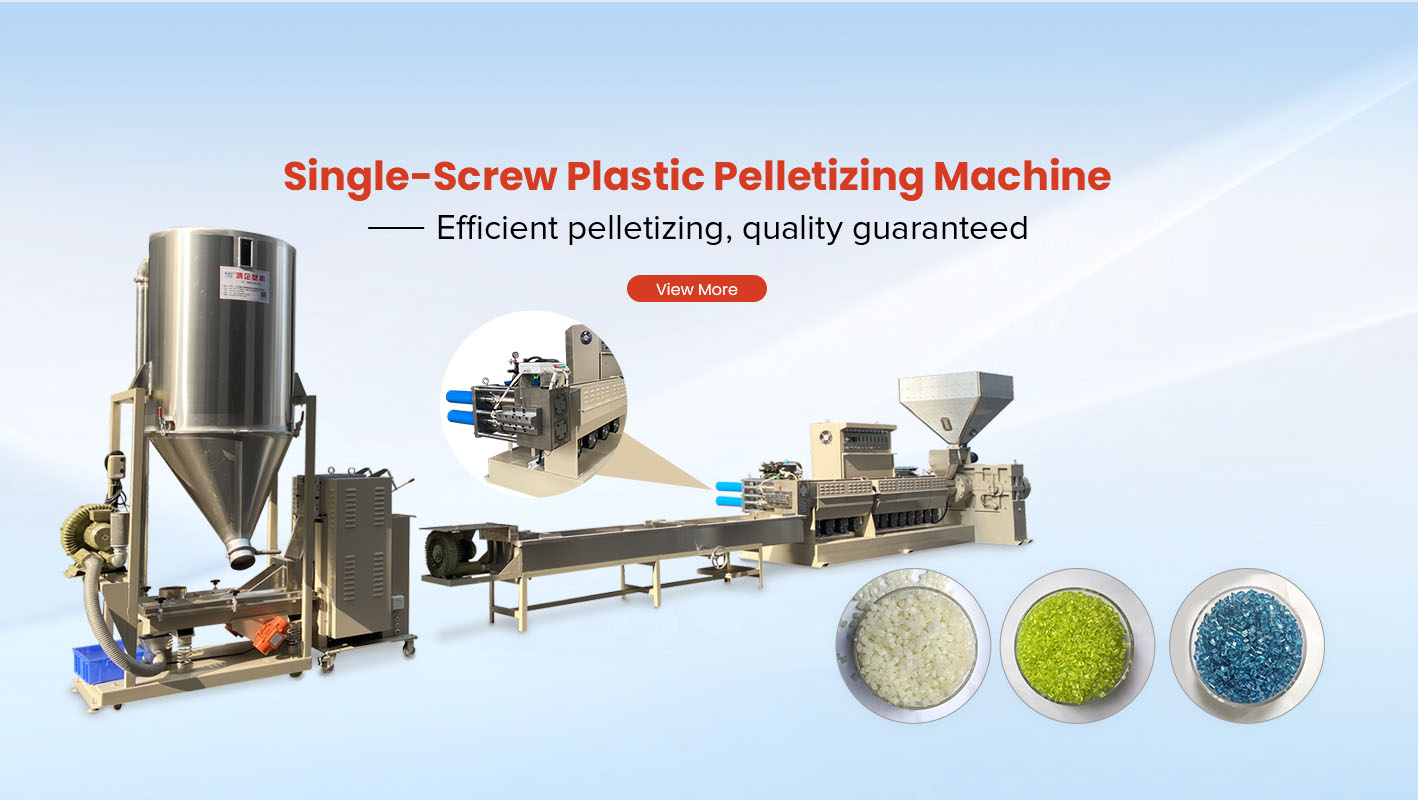
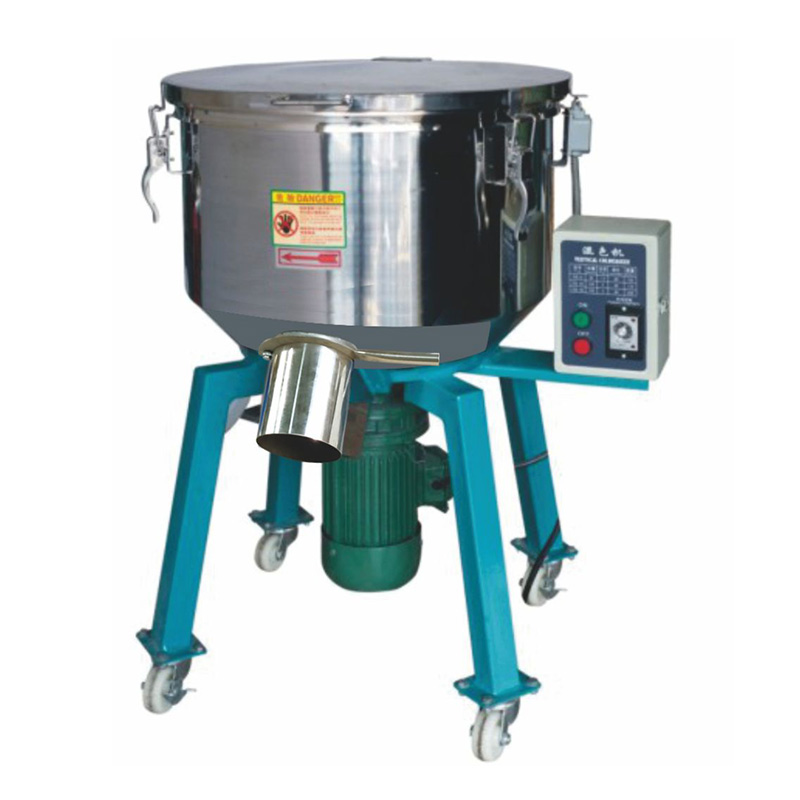
A Plastic Color Mixer Machine is designed to blend polymers with color masterbatch, additives, or regrind so the material feeds consistently into downstream processes such as extrusion, pelletizing, injection molding, or film production. The key question is not only which plastics can be mixed, but which material forms and combinations can be mixed reliably without separation, bridging, excessive dust, or uneven color distribution. A well-matched mixer improves color consistency, reduces batch-to-batch variation, and stabilizes production quality in both recycling and compounding operations.
This guide explains what materials plastic color mixer machines can handle, how to choose the right mixing approach for each material family, and what to watch for when mixing additives and regrind. HONGQI supplies practical mixing equipment for plastic processing lines. Explore the product here: plastic color mixer machine.
What counts as mixable material in real production
Plastic color mixers can handle many resin types, but real-world mixability is usually determined by material form and behavior during agitation. The same polymer can behave very differently as pellets, powder, flakes, or regrind with fines.
Material properties that affect mixing performance:
Particle shape and size distribution
Uniform pellets mix easily. Mixed flakes and fines can segregate or bridge.
Bulk density and flowability
Low-density fluffy regrind may require different agitation and discharge design.
Static tendency
Some resins and powders attract dust and cling to surfaces, affecting dosing accuracy.
Moisture content
Wet flakes can clump and cause color streaks or unstable feeding into the extruder.
Additive compatibility
Some additives are oily or sticky and can cause buildup inside the mixing chamber.
The most reliable approach is to classify your feed as pellets, powder, flakes, or mixed regrind and match mixing time, speed, and batch size to that classification.
Thermoplastic resins commonly handled by color mixer machines
Most plastic color mixers are used with common thermoplastics because these are the main materials in injection molding, extrusion, and pelletizing lines. In general, pellet-form materials are the easiest to mix uniformly, while powders and regrind require more attention to dust control and flow design.
Thermoplastics typically mixed in production:
Polyolefins
PE families such as HDPE, LDPE, LLDPE and PP are frequently mixed with masterbatch and additives for film, pipe, and molded parts.
Styrenics
PS, HIPS, and ABS are often mixed for appliance housings and consumer products, where color uniformity and surface consistency are important.
PVC compounds
Rigid and flexible PVC formulations can be mixed with pigments and stabilizers. Powder handling and dust control are important for stable performance.
Engineering plastics
PC, PA, POM, PET, PBT, and related blends can be mixed, but these materials are more sensitive to moisture and contamination, so handling discipline matters.
recycled blends
Post-industrial and post-consumer streams can be mixed effectively when size distribution and moisture are controlled, and when the mixer is sized for the bulk density of the feed.
If your operation includes both virgin and recycled feeds, keep separate handling standards to avoid contamination transfer, especially for light-color products.
Different material forms a color mixer can handle
A plastic color mixer is more about managing forms than resin names. Below are the most common forms and what makes them successful or risky.
Pellets and virgin resin granules:
Mixes quickly and uniformly because pellets flow well and do not clump easily
Works well for masterbatch addition at typical ratios
Produces stable feeding into injection and extrusion lines
Powders and dry blends:
Requires good dust control to avoid airborne fines and buildup
Needs stable discharge design to prevent rat-holing and bridging
Works best when moisture is controlled and powders are free-flowing
Flakes and film regrind:
Can be mixed, but needs attention to bulk density differences and static
Moisture must be controlled to prevent clumping and inconsistent color uptake
Fines can separate, so mixing time and batch size should be controlled
Crushed sprues and mixed regrind:
Needs consistent size reduction to avoid segregation
Sharp and irregular pieces can increase wear, so liner and blade design matter
Works well when regrind percentage and particle uniformity are controlled
A common failure pattern is trying to mix very light flakes with heavy pellets at high ratios without controlling static and size distribution. The mixture can separate during transfer, even if it looked uniform inside the mixer.
Additives, masterbatch, and fillers: what can be blended successfully
Color mixers are frequently used for more than pigment. They can blend small-dose functional additives and some fillers, as long as the material is free-flowing and does not form sticky agglomerates.
Typical inputs a color mixer can handle:
Color masterbatch pellets
Works well with most pellet-form resins, supporting stable dispersion in the extruder.
Liquid or oily additives
Can be handled in some processes, but they require careful dosing and cleaning routines to avoid internal buildup.
Anti-UV, anti-oxidant, slip, anti-block additives
Often used in film and sheet production, usually as masterbatch or dry additive blends.
Flame retardants and mineral fillers
Mixable when properly pre-blended and when dust control is addressed. Very high filler loading may require specialized mixing solutions and discharge design.
Recycled stabilizer packages
Useful for recycling lines, but compatibility with moisture and contamination must be managed.
If you plan to use multi-component recipes, define your target mix uniformity standard and verify it by sampling and measuring color variation or additive distribution downstream.
Practical material handling limits and how to avoid mixing defects
A color mixer can handle many materials, but some conditions raise risk and require process adjustments.
High-risk conditions:
Wet flakes or wet powders
Water causes clumping and uneven additive distribution. Drying or dewatering is often required before mixing.
Extremely dusty powders
Fine dust can build up on walls and sensors, affecting hygiene and maintenance. Dust extraction and cleaning intervals become critical.
High static materials
Static increases clinging and separation risk. Grounding, humidity control, and surface treatment strategies help.
Large density differences in one batch
Heavy pellets and light fluff can segregate during discharge and conveying. Use controlled transfer and adjust batch size.
Sticky additives
Oils can cause buildup and reduce effective mixing volume. Use controlled dosing and define cleaning procedures.
These limits do not mean the material is impossible to mix. They mean the system must be configured and operated for that material behavior.
A material compatibility table you can use for planning
The table below summarizes typical compatibility based on material form and common plant conditions. It is a planning tool for selecting mixing method, batch time, and handling controls.
| Material type | Common form | Mixability in standard color mixer | Main risks | Recommended control focus |
|---|
| PE, PP | Pellets | Strong | Segregation during transfer if ratios are extreme | Stable batch size, consistent discharge |
| ABS, PS, HIPS | Pellets | Strong | Static and dust in some grades | Grounding, clean interior surfaces |
| PVC | Powder/dry blend | Medium to strong | Dust, bridging, moisture sensitivity | Dust control, discharge design, drying |
| PET, PA, PC | Pellets | Strong | Moisture sensitivity | Pre-drying, sealed storage, short exposure time |
| Film regrind | Flakes | Medium | Static, low bulk density, moisture | Dewatering/drying, batch control |
| Mixed regrind | Irregular pieces | Medium | Segregation, wear, inconsistent feed | Size control, liner wear checks |
| Mineral-filled blends | Pellets/powder | Medium | Dust, density differences | Dust control, sampling validation |
If your production is a project buyer scenario with multiple SKUs, using a standard material classification method helps operators select the correct batch time and reduces color inconsistency.
Why HONGQI plastic color mixer machines support stable mixing across materials
Stable mixing is achieved by reliable mechanical design, consistent manufacturing accuracy, and practical service access. HONGQI has extensive experience in plastic processing equipment and provides complete recycling processing solutions. With in-house machining capability and production discipline, equipment components maintain consistent fit and performance, helping mixing behavior remain stable over long production cycles. HONGQI also supports practical after-service coordination for troubleshooting and routine maintenance planning.
For wholesale supply planning and multi-line deployment, consistent equipment specification helps standardize operating procedures and reduces operator learning time. If you need customization or would like to learn more, please contact us. Or explore the product here: plastic color mixer machine.
Conclusion
Plastic color mixer machines can handle a wide range of thermoplastics, including common resins like PE, PP, ABS, PS, and many engineering plastics, as well as different material forms such as pellets, powders, flakes, and regrind. The deciding factor is usually material behavior during agitation: moisture content, dust level, static tendency, and bulk density differences. When you classify materials correctly and apply the right handling controls, a color mixer can deliver stable, uniform blends that improve downstream processing and reduce color variation.