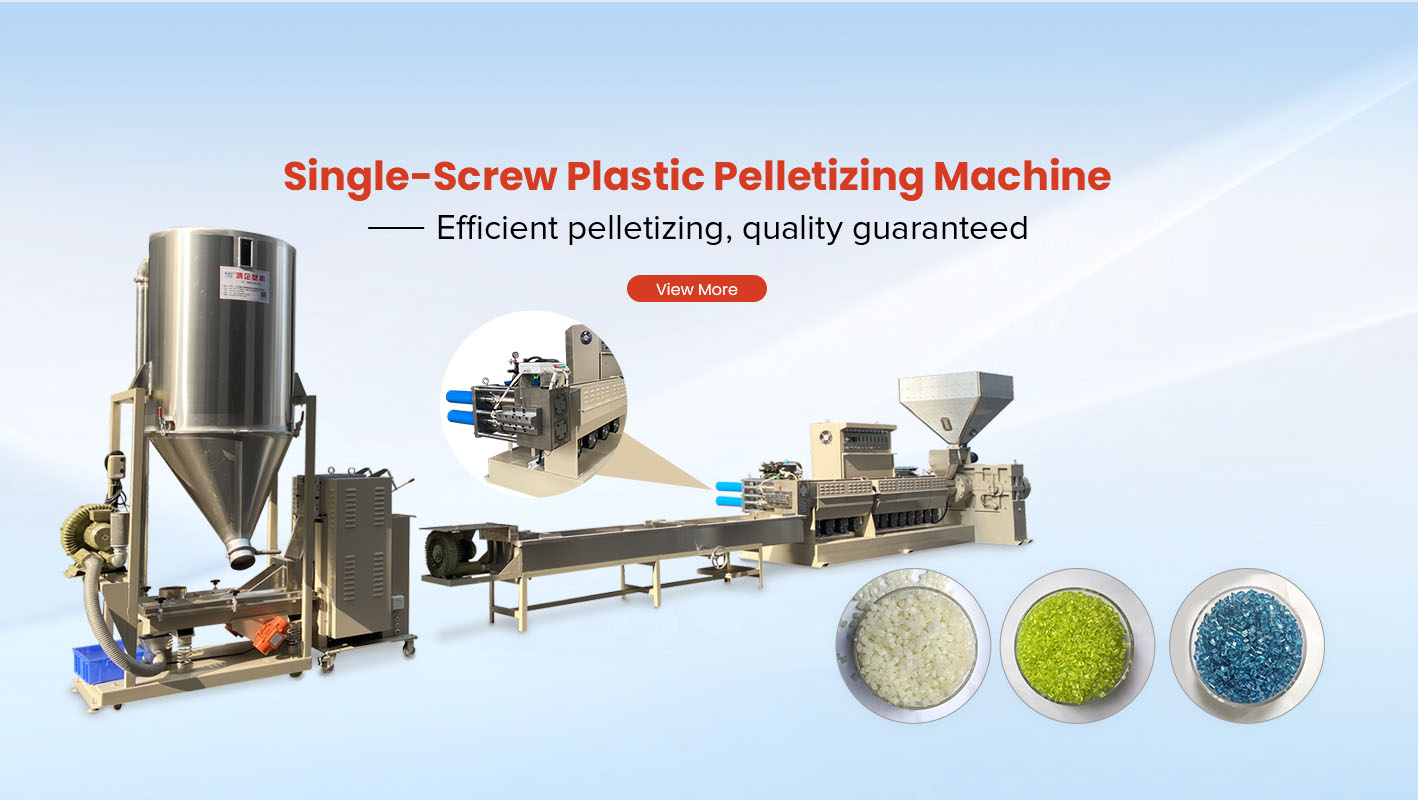
In plastic compounding, efficiency is not only about higher output. What buyers really care about is whether the machine can keep materials mixed evenly, run stably for long hours, reduce waste, and produce pellets that perform well in downstream molding or extrusion. That is where twin screw extrusion stands out.
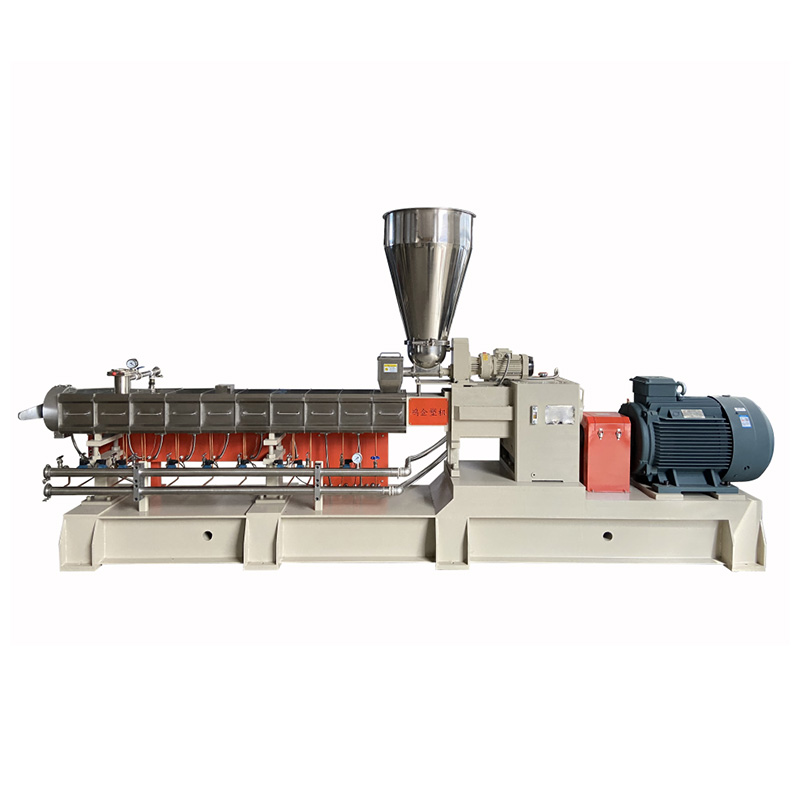
For manufacturers handling recycled plastics, masterbatch, filled compounds, or engineering material modification, twin screw systems offer a more reliable way to improve both processing quality and production efficiency. Our Polymer Recycling Plastic Extrusion Equipment is built around this need, helping processors achieve more stable mixing, better pellet quality, and smoother continuous production.
Better Mixing Creates Better Compounding Results
Plastic compounding depends on uniform dispersion. If additives, fillers, pigments, or recycled materials are not blended evenly, the final pellets may show unstable color, inconsistent physical properties, or poor processing performance later in production.
Twin screw extrusion improves this part of the process because the screws work together to create stronger shearing, kneading, and distributive mixing. This allows materials to be melted and blended more thoroughly inside the barrel. For buyers producing reinforced plastics, masterbatch, elastomers, or high filled compounds, this means better formulation consistency and less rework caused by uneven dispersion.
In practical terms, better mixing leads to more stable pellet appearance, more reliable downstream feeding, and improved end product quality. That is one of the main reasons why a twin screw system is often preferred over simpler compounding equipment.
Stable Feeding And Continuous Processing Improve Output
In many factories, the real production loss does not come from machine speed alone. It comes from feeding interruptions, unstable melt pressure, poor temperature control, and frequent process adjustments. A compounding line that cannot run smoothly over time quickly increases labor pressure and production cost.
Twin screw extrusion helps solve this by giving processors more stable conveying and more controlled material movement through the barrel. Our product is designed with automatic feeding, variable speed control, and a multi-zone temperature system, which helps the line maintain steady processing conditions during continuous operation. This matters for bulk order production, where output stability often matters more than short-term peak capacity.
For B2B buyers, stable output is directly linked to delivery schedules, batch consistency, and cost control. A line that can run more predictably helps factories reduce stoppages and keep production planning on track.
Stronger Process Control Helps Handle Complex Materials
Not all materials behave the same way in compounding. Recycled flakes, engineering plastics, elastomers, filled formulas, and additive-heavy blends all put different demands on the extrusion process. Buyers who work with more than one formulation need equipment that can adapt without losing consistency.
Twin screw extrusion is widely valued because it offers stronger control when processing complex materials. Our equipment is suitable for engineering plastics, recycled plastics, masterbatch, TPE, TPU, and highly filled materials, which makes it useful for processors who need flexibility in real production. When a line can handle both simpler and more demanding compounds, it gives suppliers and factories more room to expand their product range and respond to project-based demand.
This is especially important for contract manufacturing, custom compounding, and OEM or ODM supply projects, where different customers may require different raw material systems, performance targets, and pellet specifications.
Accurate Temperature Management Protects Material Quality
Compounding efficiency is not only about how fast a line runs. It is also about whether the material is processed under the right heat conditions. Too much heat can damage polymers, while uneven temperature can lead to poor dispersion, unstable melt quality, and lower pellet consistency.
A twin screw line with precise temperature control makes a big difference here. Our product uses a 10-zone temperature control system, which helps maintain stable thermal conditions across the extrusion process. For processors working with recycled polymers, additives, or sensitive compounds, this helps reduce degradation risk and improve repeatability from batch to batch.
When temperature control is stable, operators spend less time correcting process issues. That means more usable output, fewer rejected pellets, and better efficiency across the full line.
Degassing And Pellet Quality Support Downstream Efficiency
A compounding line should not only mix materials well. It should also help produce pellets that are clean, uniform, and easy to use in later production steps. If gases, moisture, or volatile residues stay in the melt, the final pellets may show defects or unstable performance.
Twin screw extrusion often works better for this because it supports stronger devolatilization and more controlled melt preparation. Our line includes vacuum support and downstream pelletizing components, helping processors improve pellet quality in recycling and compounding applications. For factories supplying pellets to molding plants or using them in further extrusion, better pellet quality means fewer feeding issues and more stable final product performance.
This is one reason why many buyers looking for a plastic granulation line pay close attention not only to the extruder itself, but also to how well the full system handles melting, degassing, cooling, and cutting.
Wear Resistance And Reliability Reduce Long-Term Cost
For industrial buyers, efficiency should always be measured over time. A machine that performs well for a short period but suffers from rapid wear or frequent maintenance will eventually cost more in downtime, Spare Parts, and lost production.
Twin screw extrusion lines used for recycled materials, fillers, or reinforced compounds need durable mechanical design. Our product uses wear-resistant screw and barrel materials together with a water-cooled barrel system, helping the line stay reliable under demanding operating conditions. For buyers planning long production runs or high-volume supply, durability plays a direct role in total ownership cost.
This is especially relevant in export projects and contract production, where delayed maintenance or unstable operation can affect delivery commitments and customer trust.
Application Range Matters For Business Growth
A good compounding line should not lock a factory into one narrow application. Buyers usually want equipment that can support current orders while leaving room for future products and new material programs.
Twin screw extrusion improves compounding efficiency partly because it supports a wider application range. Our equipment is suitable for polymer recycling, plastic modification, masterbatch production, thermoplastic elastomer processing, and high filled material compounding. That versatility can help factories respond more quickly to market changes and customer requests without investing in completely separate lines for every project.
For suppliers serving multiple industries, this flexibility is valuable. It supports broader business opportunities while keeping equipment utilization higher.
Supplier Capability Also Affects Compounding Efficiency
Compounding efficiency is not created by machinery alone. It also depends on whether the supplier understands process matching, configuration planning, installation, and after-sales support. Many overseas buyers have learned that the right technical guidance can save more time than simply buying the cheapest machine.
A reliable supplier should be able to discuss material type, expected output, pellet use, workshop conditions, and possible customization needs before the order is confirmed. For buyers managing private label projects, contract manufacturing, or region-specific production plans, support for OEM and ODM cooperation can also be an advantage during equipment selection and later expansion.
That type of support matters because the best extrusion line is not only the one with strong specifications. It is the one that fits the actual production target.
Conclusion
Twin screw extrusion improves plastic compounding efficiency by making mixing more uniform, feeding more stable, temperature control more precise, and pellet quality more consistent. It also gives processors stronger flexibility when handling recycled plastics, masterbatch, elastomers, engineering compounds, and other demanding formulations.
For factories looking to improve compounding quality and reduce production risk, our Polymer Recycling Plastic Extrusion Equipment offers a practical solution built for continuous processing and wider material adaptability. If you are comparing compounding lines and need help choosing a suitable configuration for your material and output goals, contact us for technical guidance. Our team can help you review your process needs and suggest a more suitable extrusion solution for your production plan.