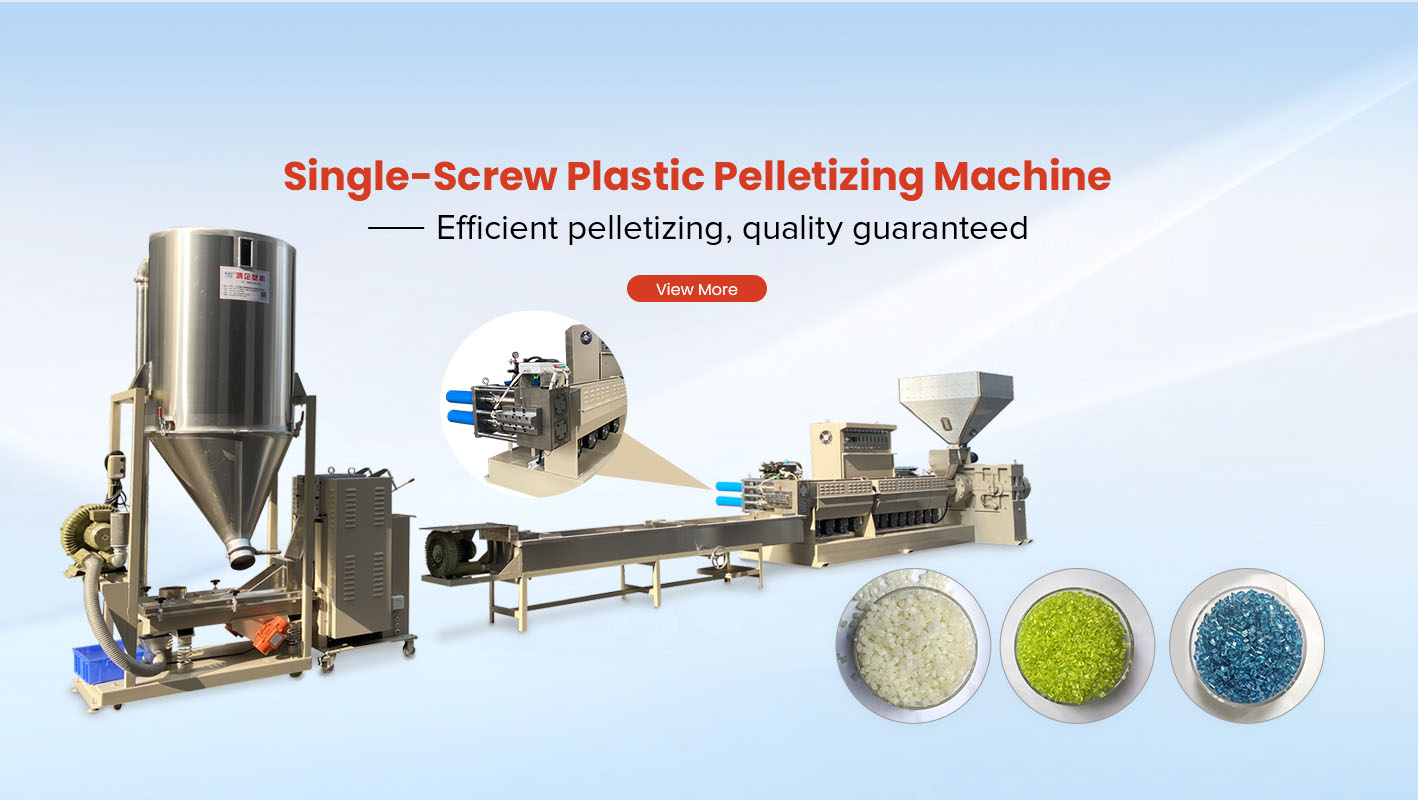
Stable output is a key factor in plastic recycling extrusion. For factories, unstable extrusion can lead to uneven pellets, higher waste rate, frequent machine adjustment, lower production efficiency, and delayed delivery. This problem is common when recycled materials have different sizes, moisture levels, impurities, or unstable feeding conditions.
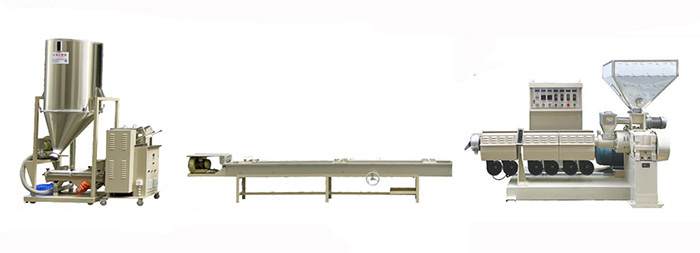
HONGQI provides plastic dana machines and single screw pelletizing extrusion equipment for plastic recycling and granule production. Our machines are suitable for processing PC, pmma, PS, and other materials used in plastic recycling applications. For buyers looking for a reliable plastic pelletizing extruder, the focus should not only be price, but also feeding stability, screw design, temperature control, filtration, and after-sales support.
Keep Material Feeding Consistent
Unstable feeding is one of the most common reasons for output fluctuation. If the material enters the barrel unevenly, the extrusion pressure will change, and the final pellets may become inconsistent.
Before production, factories should check:
Whether the recycled scraps are too large or too small
Whether the material contains too much moisture
Whether dust and impurities are mixed in
Whether feeding speed matches machine output
Whether workers can maintain continuous feeding
For PC, Pmma, and PS recycling, material preparation is especially important. These materials are often used in lighting parts, diffuser sheets, transparent panels, and electronic plastic parts. If feeding is unstable, the extrusion process may create bubbles, dark spots, uneven melt flow, or poor pellet appearance.
Choose A Suitable Screw Design
The screw is the core part of a Plastic Extrusion Machine. It controls how the material is conveyed, melted, mixed, and pushed toward the die head. If the screw design does not match the material, the machine may face unstable pressure, incomplete melting, low output, or poor pellet quality.
A suitable screw should help the material melt evenly and move smoothly through the barrel. For recycled PC and PMMA materials, stable plasticizing is very important because overheating may cause discoloration or material degradation.
When choosing a machine, buyers should not only ask about motor power or machine size. They should also confirm whether the screw structure is suitable for their material type, expected output, and final pellet application.
Control Temperature In Each Processing Section
Temperature control has a direct impact on output stability. If the temperature is too low, the material may not melt fully. If the temperature is too high, the plastic may burn, discolor, or lose performance.
For plastic recycling extrusion, each heating section should be adjusted according to the material and production speed. Stable temperature helps the melt flow smoothly and reduces sudden pressure changes.
For factories producing granules for LED diffuser materials, transparent parts, sheets, or injection molding, temperature stability can also affect the quality of downstream production. A machine with clear control settings and reliable heating performance helps operators keep production more stable.
Reduce Screen Blocking And Downtime
Recycled plastics may contain dust, small impurities, mixed particles, or color residues. These impurities can block the filter screen and cause pressure fluctuation. Once the pressure changes too much, output stability will be affected.
A practical screen changing system helps remove impurities and keeps the melt flow cleaner. For cleaner recycled materials, a simple and stable screen changer may be enough. For materials with more impurities, factories should improve sorting, cleaning, and screen replacement management.
Buyers should pay attention to whether the filtration structure is easy to operate and maintain. Good filtration can reduce downtime and improve pellet consistency during continuous production.
Match Cooling And Pelletizing Speed
Stable extrusion output also depends on the cooling and pelletizing process. If cooling is not enough, the plastic strands may stick or deform. If the cutting speed does not match extrusion speed, pellets may become too long, too short, or irregular.
Factories should keep the extrusion speed, cooling effect, traction speed, and pellet cutting speed in balance. Consistent pellet size helps downstream users achieve smoother feeding and more stable processing.
For bulk order production, this detail is important because buyers usually care about pellet appearance, size consistency, and processing reliability.
Work With A Supplier That Understands Factory Needs
Different factories have different production conditions. Some process clean factory scraps, while others handle recycled materials with more impurities. Some buyers need compact machines for limited space, while others need higher output for continuous production.
OEM / ODM support can help match the machine configuration with real production needs, including:
Material type
Capacity target
Voltage requirement
Workshop layout
Screw structure
Screen changing method
Control system
Pelletizing method
A suitable supplier should not only provide equipment, but also help buyers reduce trial-and-error costs and improve production efficiency.
Conclusion
Improving output stability in plastic recycling extrusion requires stable feeding, suitable screw design, accurate temperature control, effective filtration, balanced cooling, and consistent pelletizing. For factories processing PC, PMMA, PS, and other recycled plastics, these details directly affect pellet quality and production efficiency.
HONGQI provides plastic dana machines and single screw pelletizing extrusion equipment for recycling and granule production. If you are planning a new plastic recycling project or want to improve your current extrusion output, you can send us your material type, expected capacity, and final pellet application. We can help you review the production requirements and recommend a suitable machine configuration for your factory.