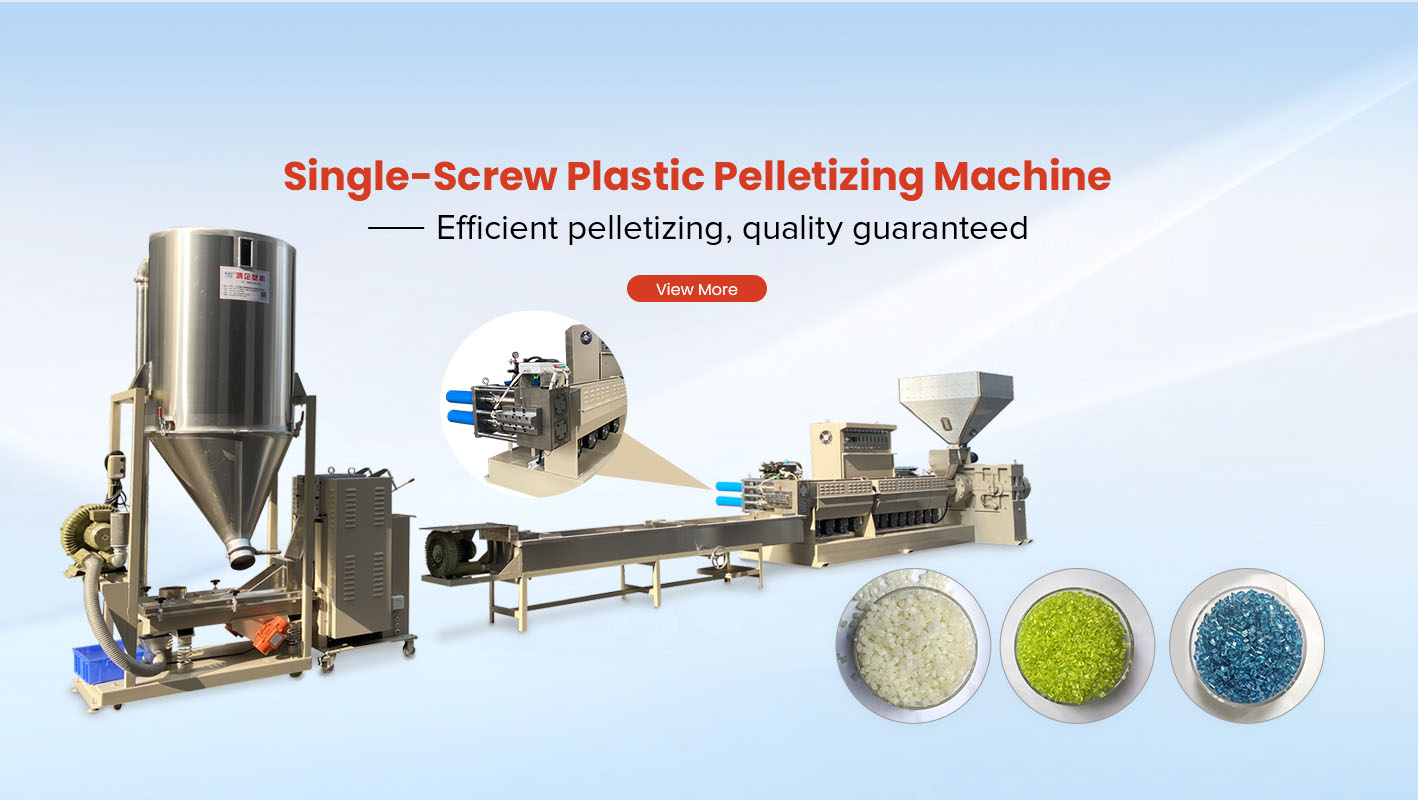
Before plastic enters an extrusion machine, the material preparation stage has already decided a large part of the final production result. If pellets, powder, recycled flakes, color masterbatch, or additives are not mixed evenly, the extrusion process may face unstable feeding, color difference, weak product performance, higher waste rate, and more machine adjustment.
For plastic factories, extrusion is not only about the extruder itself. A stable preparation system can make production smoother from the beginning. This is why many factories use a Vertical Plastic Mixer before extrusion. It helps prepare plastic raw materials in a more uniform way, especially when different materials need to be blended before entering the next process.
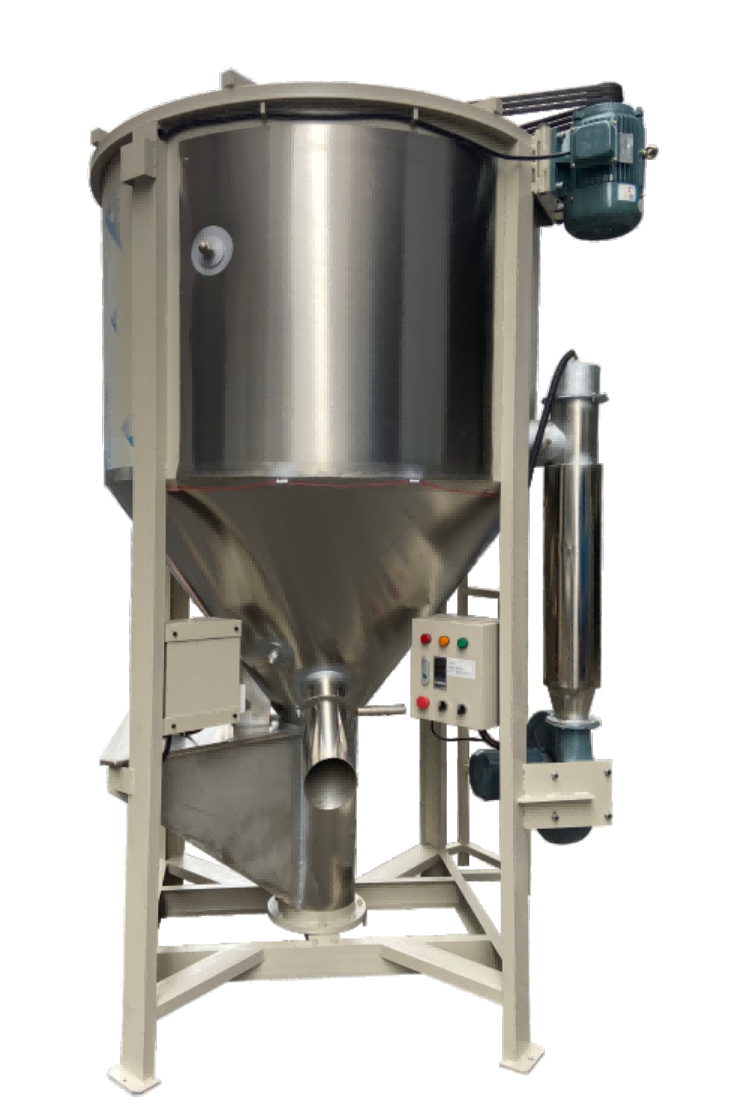
Our Vertical Plastic Mixers are designed for plastic granules, pellets, powder, recycled materials, and color masterbatch mixing. They are suitable for factories that need better material consistency before extrusion, injection molding, pelletizing, or plastic recycling production. For buyers looking for a practical plastic material mixer, the key is to choose equipment that improves mixing efficiency, reduces labor work, and supports stable factory output.
Why Material Preparation Matters Before Extrusion
Plastic extrusion requires steady material feeding and consistent raw material quality. If the material mixture changes during production, the extruder will also respond differently. The melt flow may become unstable, the color may change, and the final product may show defects.
Common problems caused by poor material preparation include:
Uneven product color
Unstable extrusion output
Poor surface appearance
Inconsistent product strength
Higher material waste
More frequent operator adjustment
Lower production efficiency
For factories producing plastic sheets, pipes, profiles, films, modified plastic granules, or recycled plastic pellets, material preparation is an important step. A mixer helps combine raw plastic, recycled material, powder, color masterbatch, and additives before feeding. This makes the extrusion process more predictable and easier to control.
How A Vertical Plastic Mixer Helps Production
A vertical plastic mixer is widely used in plastic processing because it can handle large batches of material while saving workshop space. The vertical structure allows materials to move through the mixing chamber and form a more even blend. Compared with manual mixing, it can reduce labor intensity and improve batch consistency.
In daily factory production, workers often need to mix plastic pellets with color masterbatch, recycled material, calcium carbonate powder, flame retardant additives, or other functional materials. If this work is done manually, the mixing result may depend heavily on worker experience. Batch differences can become obvious, especially in bulk order production.
Using a vertical plastic mixer helps factories keep the material ratio more stable. It can also shorten preparation time before extrusion, which is useful for workshops that need continuous production and faster material turnover.
What Materials Can Be Mixed
A vertical plastic mixer can be used for many plastic processing applications. It is suitable for mixing plastic granules, pellets, powder, crushed recycled materials, color masterbatch, and certain additive materials.
Typical application areas include:
Plastic extrusion factories
Plastic recycling plants
Injection molding workshops
Plastic pelletizing production
Color masterbatch mixing
Recycled material preparation
Sheet, pipe, profile, and film production
For extrusion factories, the mixer is often used before materials enter the hopper. It helps make the material blend more uniform, so the extruder can receive a more stable supply. For recycling plants, it can help mix recycled flakes or crushed materials with virgin resin or additives, improving reuse efficiency.
Key Points When Choosing A Plastic Mixer
When choosing equipment for material preparation, buyers should not only look at the tank size. The mixer should match the material type, production volume, workshop layout, and operation habit.
Several points are worth checking:
Capacity Requirement
The mixer capacity should match the factory’s daily material demand. If the mixer is too small, workers need to load and unload material too often. If it is too large, it may take more space and increase unnecessary investment.
Material Type
Different materials have different flow properties. Plastic pellets are easier to mix, while powder or recycled flakes may require better mixing control. Before ordering, buyers should confirm whether the mixer is suitable for their raw material condition.
Mixing Uniformity
Uniform mixing is the main purpose of using this equipment. If the machine cannot mix color masterbatch or additives evenly, the final extrusion product may still have quality problems.
Workshop Space
A vertical plastic mixer is a good option for factories that want to save floor space. Its upright structure is practical for many workshops with limited layout area.
Operation Convenience
The machine should be easy to load, discharge, clean, and maintain. Simple operation can reduce training time and help workers use the equipment more efficiently.
Why Stable Mixing Supports Better Extrusion
Extrusion machines work best when the material supply is stable. If the material ratio changes during production, the extruder may need frequent adjustments. This can slow down production and increase waste.
Stable mixing helps improve:
For factories handling bulk orders, these details are very important. Buyers usually care about stable quality from one batch to the next. A good material preparation process can help reduce complaints, rework, and production delays.
OEM And ODM Configuration For Factory Needs
Different factories may need different mixer configurations. Some buyers need a compact vertical mixer for small-batch production. Some need a larger machine for continuous material preparation. Some may need the machine to match existing extrusion, pelletizing, or injection molding equipment.
OEM / ODM support can help adjust the mixer according to capacity, voltage, material type, discharge height, workshop space, and production flow. For project buyers, this is useful because the equipment must fit real factory conditions, not only standard catalog data.
A suitable supplier should be able to understand the buyer’s material process and recommend a practical configuration. This helps reduce installation problems and improves production efficiency after delivery.
Conclusion
Material preparation is an important step before plastic extrusion. A suitable vertical plastic mixer can help factories improve material uniformity, reduce labor work, stabilize feeding, and support better extrusion output. For plastic granules, recycled materials, powder, color masterbatch, and additives, proper mixing can make the whole production process more stable.
Our vertical plastic mixers are suitable for plastic processing, recycling, extrusion, and pelletizing applications. If you are not sure which mixer capacity or configuration fits your factory, you can send us your material type, mixing ratio, expected output, and workshop layout. We will help you review the production needs and suggest a suitable mixing solution for your process.