Plastic scraps are a common challenge in many factories. During injection molding, extrusion, film production, sheet processing, or plastic product manufacturing, leftover edges, rejected parts, crushed materials, and production waste are difficult to avoid. If these scraps are not handled properly, they take up storage space, increase material cost, and reduce overall production efficiency.
A practical way to improve material reuse is to process plastic scraps into reusable pellets. With a suitable Plastic Dana Making Machine, factories can turn PP, PE, and other plastic waste into granules that can be used again in production. This helps reduce raw material waste, improve cost control, and build a more stable recycling process inside the factory.
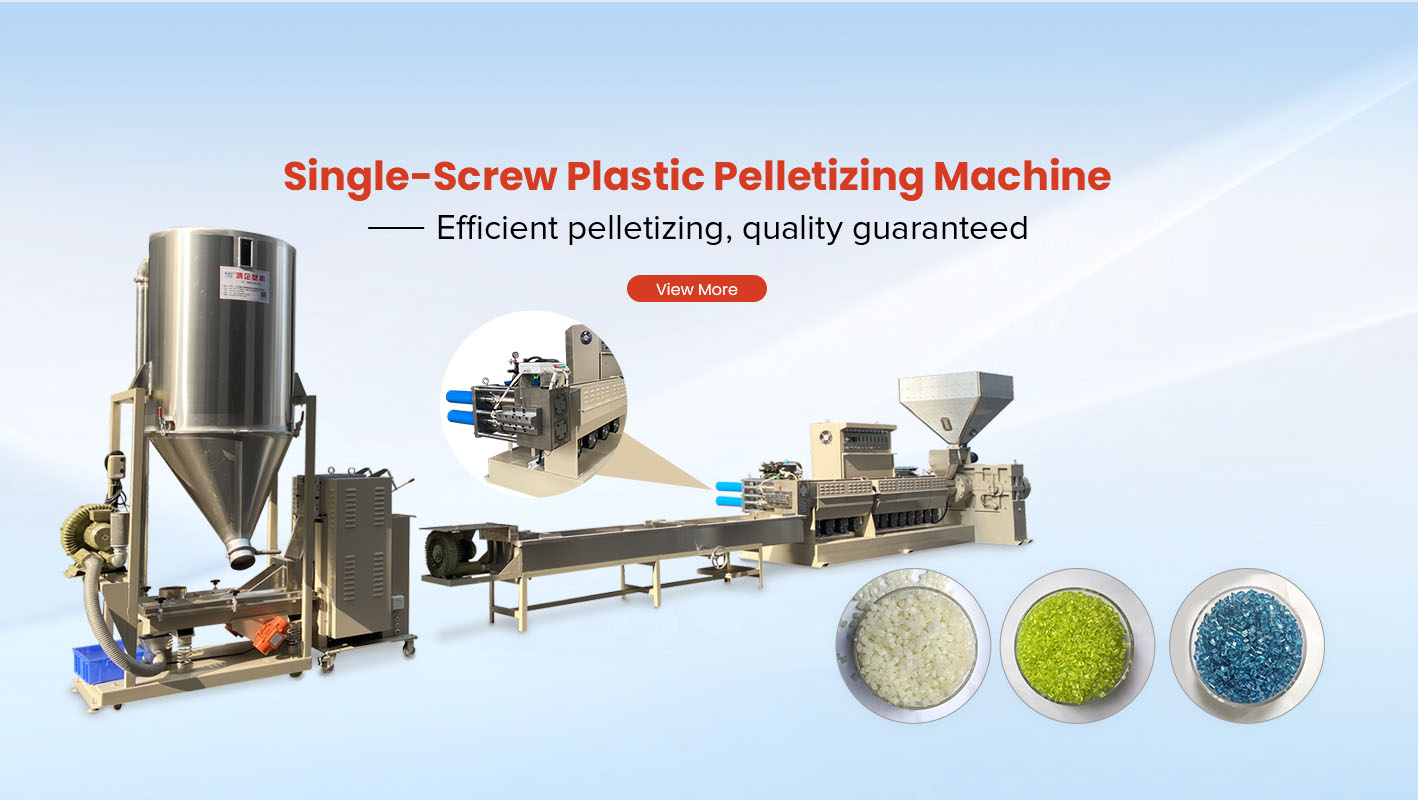
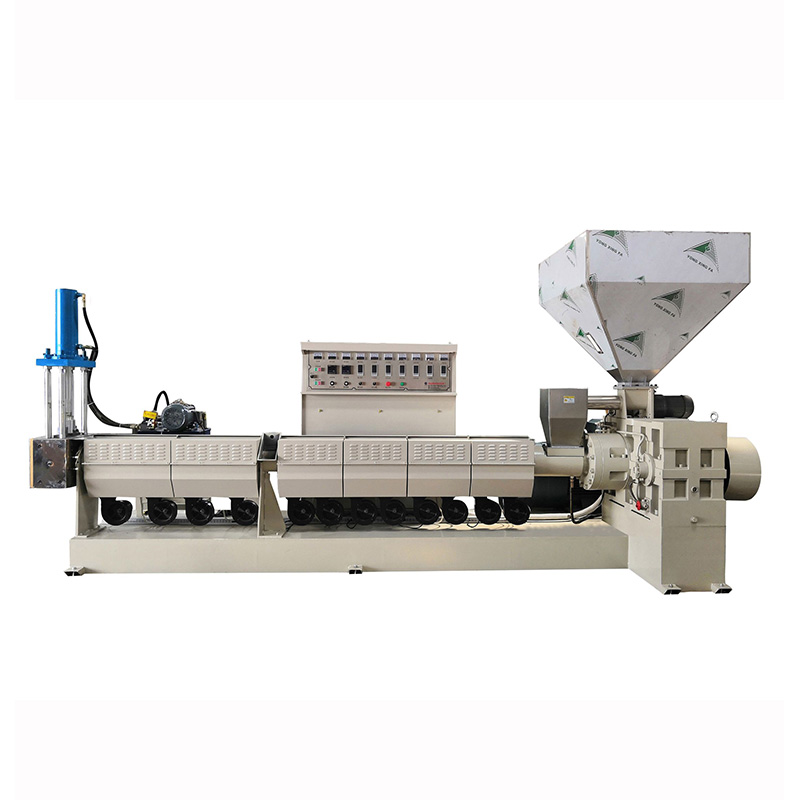
Our Single Screw PP Extruder Machine is designed for plastic pelletizing and recycling applications. It can help factories process plastic scraps through feeding, melting, extrusion, cooling, and cutting, turning waste material into more uniform pellets for reuse.
Why Plastic Scraps Should Be recycled Into Pellets
For many plastic factories, scraps are not useless waste. They still contain material value. The problem is that irregular scraps cannot usually be fed directly into production equipment. Large pieces, crushed flakes, mixed shapes, or uneven materials may cause unstable feeding, poor melting, and inconsistent finished products.
Pelletizing helps solve this problem. After plastic scraps are processed into regular granules, the material becomes easier to store, transport, measure, and reuse. Pellets can flow more smoothly into hoppers and feeders, which makes downstream production easier to control.
For factory buyers, this is not only about environmental responsibility. It is also about reducing material loss. When scraps can be reused properly, the factory can lower purchasing pressure for new raw materials and improve the value of existing production waste.
How Plastic Scraps Become Reusable Pellets
The pelletizing process usually includes several main steps. First, plastic scraps are collected and sorted. Materials should be separated by type as much as possible, because different plastics have different melting temperatures and flow properties. For example, PP and PE should not be mixed randomly with engineering plastics if the final pellet quality needs to remain stable.
After sorting, the material may need crushing or size reduction. Smaller and more even material size helps feeding become smoother. If the scraps contain dust, oil, moisture, or other impurities, cleaning and drying may be needed before extrusion.
Then the material enters the extruder. Inside the barrel, the screw conveys, compresses, heats, and melts the plastic. The melted plastic is pushed through the die head and formed into strands. After cooling, the strands are cut into pellets.
A stable pelletizing process should control:
When these factors are well controlled, the final pellets are more uniform and easier to reuse.
Why A Single Screw Extruder Is Commonly Used
A single screw extruder is widely used in plastic recycling and pelletizing because it has a practical structure, stable operation, and easier maintenance. For PP recycling and many common plastic scrap applications, it can offer a good balance between production efficiency and operating cost.
The screw plays an important role in this process. It helps move the material forward, melt it evenly, and create stable pressure before extrusion. If the screw design is not suitable, the factory may face low output, uneven melting, unstable pellets, or frequent machine adjustment.
For factories processing PP scraps, a suitable Single Screw PP Extruder Machine can help improve material plasticizing and support continuous production. This is useful for plastic product factories, recycling workshops, packaging material producers, and pellet suppliers that need stable granule output.
What Problems Can Affect Pellet Quality
Turning plastic scraps into pellets sounds simple, but in real factory production, several problems may affect the final result. Buyers should pay attention to these issues before choosing equipment.
Material impurity is one common problem. If the scraps contain mixed materials, metal pieces, dust, or other contaminants, the pellets may show black spots, poor appearance, or unstable processing performance.
Moisture is another factor. Wet materials may create bubbles, rough pellet surfaces, or poor melt stability. For some plastic materials, drying before extrusion is necessary.
Temperature control also matters. If the temperature is too low, the material may not melt fully. If the temperature is too high, the plastic may burn, discolor, or lose strength. Stable temperature control helps reduce waste and keeps the extrusion process smoother.
Cutting quality should not be ignored. If cooling and cutting are not balanced, pellets may become too long, too short, sticky, dusty, or irregular. Uniform pellet size helps downstream production run more smoothly.
How To Choose The Right Machine For Factory Use
When choosing a plastic pelletizing machine, buyers should not only compare price. The machine must match the real production condition. A low-cost machine may create higher hidden costs if it causes unstable output, frequent downtime, poor pellet quality, or difficult maintenance.
Before ordering, factories should confirm several key points:
What plastic material will be processed
Whether the scraps are clean or mixed
Required output per hour
Daily working hours
Factory voltage standard
Available workshop space
Final use of the recycled pellets
Whether customized configuration is needed
For project buyers and bulk production factories, OEM / ODM support can be helpful. Different factories may need different screw designs, machine layouts, motor power, cutting methods, or control systems. A supplier that understands plastic recycling applications can recommend a more suitable configuration instead of offering only standard equipment.
Where Recycled Pellets Can Be Used
Reusable pellets can be applied in many plastic production processes, depending on material quality and production requirements. PP recycled pellets, for example, may be used in plastic containers, household products, industrial parts, packaging products, pipes, sheets, or other molded items.
Factories should decide the final application before starting the pelletizing process. If the pellets will be used for higher-quality products, material sorting, filtration, temperature control, and pellet consistency must be stricter. If the pellets are used for general products, the production focus may be more on output efficiency and cost control.
This is why machine selection should be connected with the final product market. The goal is not only to make pellets, but to make pellets that can create real value in the next production stage.
Conclusion
Turning plastic scraps into reusable pellets is an effective way for factories to reduce waste, control material cost, and improve production efficiency. A suitable Plastic Dana Making Machine can help process plastic scraps through extrusion and pelletizing, making the material easier to store, feed, and reuse.
Our single screw PP extruder machine is suitable for plastic recycling and pelletizing applications, especially for factories that need stable operation and practical production performance. If you are planning to recycle PP scraps or improve your current pelletizing process, you can send us your material type, expected output, and factory conditions. We can help review your needs and suggest a suitable machine configuration for your production.