Factory scrap is often treated as a problem: bags of offcuts beside the machine, transparent sheet waste taking up storage space, rejected parts waiting for disposal, and operators spending time moving material that brings no direct return. For plastic processors, the question is not only how to clean the workshop. The bigger question is whether that scrap can become a usable material stream again.
A plastic recycling pelletizing machine can help factories turn suitable plastic waste into pellets that may be reused in production, sold to downstream processors, or supplied to customers who accept recycled engineering plastics. For factories working with PC, PMMA, PS, PETG, PA-12, PEEK, PSU, or similar materials, the value is not just waste reduction. The real value is recovering material cost and creating a more controlled recycling process inside the factory.
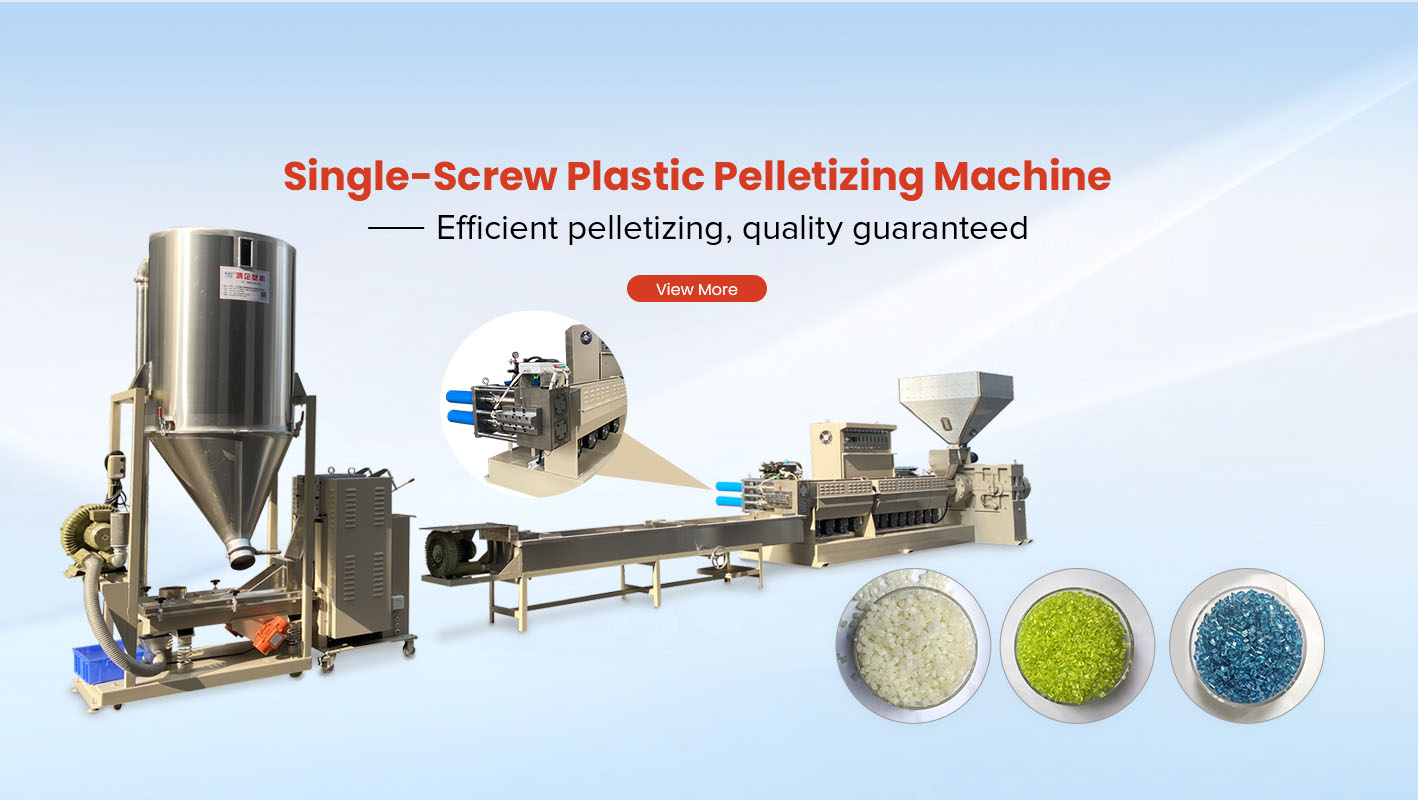
Our Plastic Recycling Granulator for PC And PMMA is made for engineering plastic scrap where clarity, melt flow, and material stability matter. It uses a single screw structure, manual rotary screen changer, stable heating control, and a compact layout for recycling workshops and plastic product factories that want to turn clean production waste into pellets with better resale or reuse potential.

Scrap Has Value When It Is Controlled
Not every plastic waste pile can become good pellets. The valuable scrap is usually clean, sorted, and traceable. For example, PC transparent sheets, PMMA acrylic offcuts, optical panel waste, injection molding runners, clean rejected parts, and trimmed production edges can be easier to recycle than mixed or contaminated waste.
This is why factories should look at scrap as a material category, not just waste. If the material type is clear and the waste source is stable, the factory has a better chance to produce pellets that downstream users can accept.
For PC and PMMA recycling, keeping the original material characteristics is especially important. Transparent plastics may lose value if they discolor, contain black spots, or show unstable melt flow. Our granulator is built to help preserve MFR and reduce discoloration during recycling, which can help factories keep more value from their scrap instead of selling it as low-grade waste.
Recycled Pellets Can Create More Than One Profit Path
Factories usually think of recycling as cost saving, but it can create several kinds of value.
Some factories use recycled pellets back into internal production when the application allows it. This can reduce the amount of virgin material purchased for non-critical parts, trial production, or lower-grade applications.
Some factories sell recycled pellets to other processors. If the pellets are clean, stable, and sorted by material, they may be easier to sell than loose scrap.
Some factories use pelletizing to improve waste handling. Pellets are easier to store, weigh, pack, and transport than irregular offcuts or crushed material.
The profit does not come from the machine alone. It comes from sorting the right material, running stable production, controlling pellet quality, and matching the recycled pellets with the right buyer or internal use case.
Why PC And PMMA Need More Care
PC and PMMA are not the same as common mixed plastic waste. These materials are often used in optical parts, light covers, display panels, automotive components, electronic housings, and acrylic products. Buyers care about clarity, strength, color stability, and processing behavior.
If the recycling process overheats the material, keeps the melt in the barrel too long, or fails to remove impurities, the final pellets may lose value quickly. That is why a factory recycling PC and PMMA should care about screw design, temperature control, screen changing, feeding stability, and cooling process.
Our machine uses a manual rotary screen changer, which is suitable for cleaner transparent plastic materials. The ceramic heating ring helps maintain die-head temperature, supporting smoother material movement from barrel to screen and die. For a factory trying to sell pellets at a better price, these processing details can affect whether the recycled material looks clean enough for the next buyer.
Output Should Match Daily Scrap Volume
A factory should not buy pelletizing equipment only by looking at the largest model. The better starting point is daily scrap volume.
If the workshop produces a small but steady amount of clean PC or PMMA waste, a lower-output setup may be more practical. If the factory handles larger scrap flow from multiple production lines, then higher capacity becomes more important.
The available machine options cover different output ranges, such as 25–50kg/h, 80–130kg/h, and 200–300kg/h, depending on the configuration. Buyers should calculate the average daily scrap amount, peak waste volume, number of working shifts, and storage pressure before deciding the right capacity.
We can help buyers review material type, scrap size, moisture condition, expected output, workshop space, and electricity conditions before recommending a configuration. For OEM or ODM project needs, our team can also discuss feeding method, layout, pelletizing process, and Auxiliary Equipment matching based on the actual recycling plan.
Cleaner Pellets Are Easier To Monetize
The resale value of recycled pellets depends heavily on consistency. Buyers of recycled PC or PMMA usually ask basic questions:
Is the material clean and sorted?
Does the color remain stable?
Is the pellet size even enough for downstream feeding?
Is the melt flow suitable for processing?
Can the supplier provide repeated batches?
If a factory wants to turn scrap into sellable pellets, it needs to think like a material supplier. Random recycling may clear waste from the floor, but stable pellet quality is what supports real profit.
A proper recycling setup helps make the material easier to pack, store, test, and resell. It also helps factory managers record output and compare recycling income against waste disposal cost, outsourced recycling cost, and virgin material purchase cost.
A Practical Example For Factory Scrap
A PMMA sheet factory may generate edge trims and rejected transparent sheets every day. If the waste is mixed and sold as loose scrap, the selling price is usually limited. After crushing, drying, and pelletizing, the factory can turn clean PMMA waste into more uniform granules.
These granules may be reused in selected production tasks or sold to processors making lower-grade acrylic items, modified plastics, or non-optical parts. The factory gains better control over waste value instead of depending only on outside recyclers.
A PC parts factory can follow a similar approach. Clean runners, rejected parts, and transparent scraps can be processed into pellets when the material is properly sorted. The more stable the input material, the easier it is to keep output quality consistent.
Factory Profit Comes From Process Discipline
Pelletizing equipment can create value, but factory discipline decides how much value can be recovered. Buyers should prepare a simple internal process before starting:
Separate PC, PMMA, and other plastics clearly.
Keep transparent materials away from colored or contaminated scrap.
Remove metal, dust, labels, and mixed materials where possible.
Control moisture before feeding.
Test pellet quality after production.
Store recycled pellets by batch and material type.
We can help buyers discuss a suitable recycling workflow before ordering. Instead of only selecting a machine size, our team can review the full process from scrap collection to feeding, extrusion, pelletizing, cooling, packing, and later use.
Conclusion
Plastic pelletizing equipment can turn factory scrap into sellable pellets when the material is clean, sorted, and processed with the right configuration. For PC, PMMA, and other engineering plastics, the main goal is not only to reduce waste volume. The bigger opportunity is to recover material value, reduce raw material pressure, and create a new profit path from production scrap.
Our plastic recycling granulator for PC and PMMA can support plastic product factories, recycling workshops, modified plastic producers, optical material processors, and engineering plastic recyclers. Send us your material type, scrap form, daily waste volume, target output, workshop layout, and pellet use plan. Our team can help review the recycling process and suggest a configuration that makes factory scrap easier to turn into commercial value.