Plastics are created by turning small chemical building blocks into long polymer chains. These chains can then be processed into pellets, sheets, films, pipes, fibers, molded parts, packaging, and many other products. The basic idea is simple: small molecules are linked together to form materials with useful strength, flexibility, clarity, heat resistance, or chemical resistance.
In industrial production, plastics are not only “made once.” They may also be compounded, recycled, filtered, pelletized, and processed again into new products.
From Monomers to Polymers
Most plastics begin with monomers. A monomer is a small molecule that can join with other similar molecules. Through polymerization, these monomers become long polymer chains.
Different monomers create different plastics. Polyethylene, polypropylene, polystyrene, PET, ABS, nylon, and polycarbonate all have different structures and properties.
This is why plastic materials can be soft, rigid, transparent, impact-resistant, heat-resistant, or flexible depending on their chemistry.
Additives Give Plastics More Functions
A polymer alone may not meet the final product requirement. Additives are often used to improve color, UV resistance, flame resistance, flexibility, lubrication, processing flow, or strength.
Common additives include color masterbatch, stabilizers, fillers, plasticizers, impact modifiers, antioxidants, and processing aids.
The formula must be controlled carefully. Too much filler may reduce toughness. Poor color mixing may create streaks. Unstable additives may cause odor, discoloration, or poor processing.
Pellets Make Plastics Easier to Process
After polymer production or compounding, plastics are often turned into pellets. Pellets are easier to store, transport, dose, dry, mix, and feed into production machines.
Pellets are used in injection molding, blow molding, extrusion, film production, pipe extrusion, sheet production, and compounding.
For factories, pellet size and consistency matter. Uneven pellets can cause unstable feeding, melting problems, poor output, and inconsistent finished products.
How Recycled Plastics Are Created Again
Recycled plastics are created by collecting plastic waste, sorting it, crushing it, washing it when needed, drying it, melting it, filtering impurities, and cutting the melt into pellets.
The quality of recycled pellets depends on the input material and the recycling process. Clean and well-sorted waste usually gives better pellets than mixed contaminated waste.
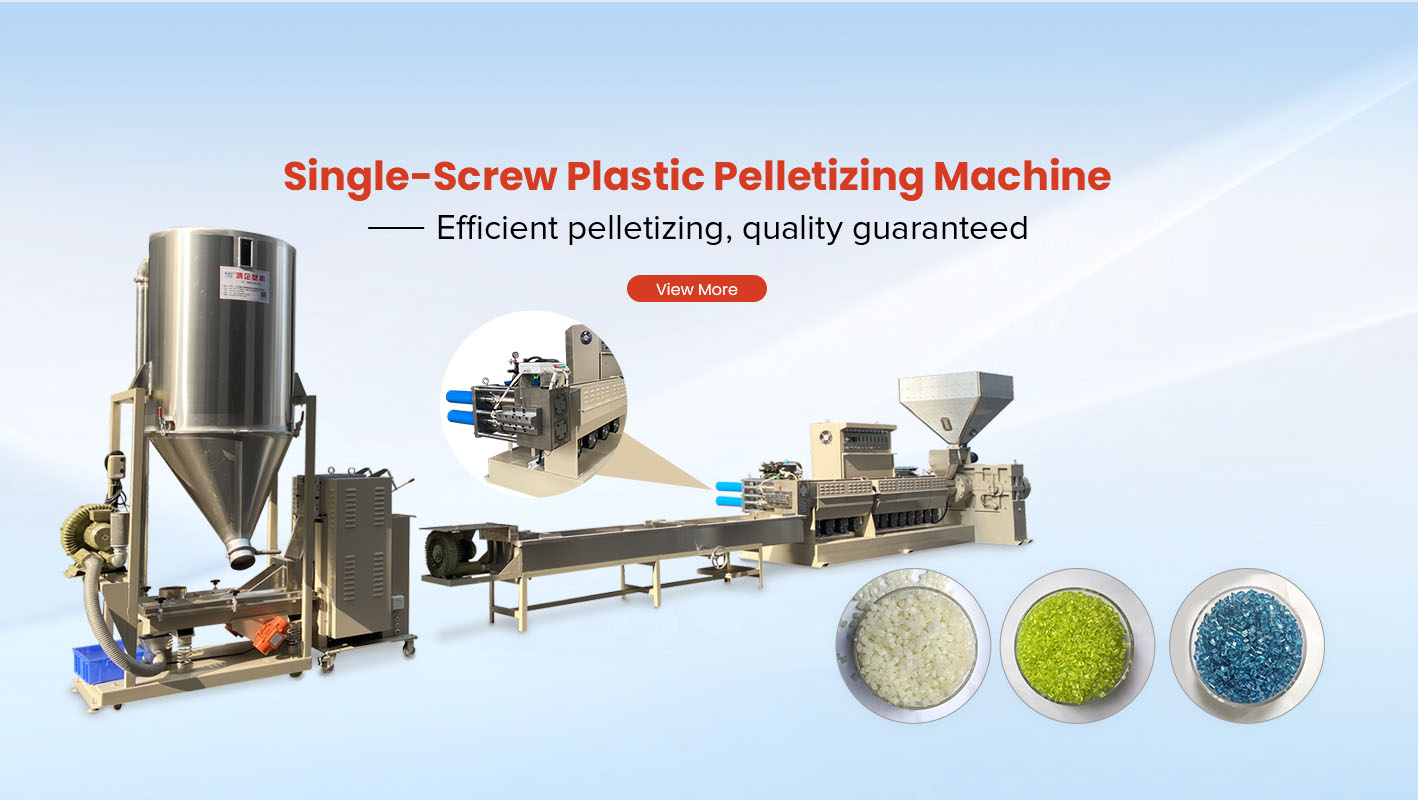
Our plastic recycling pelletizing solutions are designed to help factories turn suitable plastic waste or scrap into reusable pellets for downstream production.
Single-Screw and Twin-Screw Processing
Single-screw pelletizing machines are commonly used for many plastic recycling and extrusion pelletizing applications. They are practical for materials that do not require highly complex mixing.
Twin-screw pelletizing machines provide stronger mixing and compounding ability. They can be useful when the plastic formula includes fillers, additives, color masterbatch, modified materials, or engineering plastics.
Our Twin Screw Plastic Pelletizing Extrusion Machine can support more demanding compounding and plastic processing needs.
Why Drying and Degassing Matter
Some plastics absorb moisture before processing. If they are melted while wet, bubbles, degradation, poor surface quality, or unstable pellet shape may appear.
Degassing helps remove moisture, volatile substances, and trapped air during extrusion. This is especially important for recycled materials, printed films, washed flakes, or engineering plastics.
A well-designed pelletizing line should match the material condition rather than use one fixed configuration for every plastic.
Plastic Creation in Real Factories
In real production, plastics are created and recreated through several connected stages: polymer selection, formula design, mixing, extrusion, pelletizing, drying, molding, and quality control.
For recycling plants and plastic product factories, the pelletizing stage is a key bridge between waste material and reusable raw material.
We provide plastic pelletizing machinery with design, production, sales, and after-sales support. For buyers, machine configuration should be based on material type, output target, contamination level, moisture level, and final pellet use.
What Buyers Should Prepare Before Choosing Equipment
Before purchasing a pelletizing machine, buyers should define the material clearly. PP film, HDPE flakes, PET scrap, ABS regrind, PC waste, and PA material may need different screw design, heating, filtration, and cutting systems.
Clear material information helps reduce wrong machine selection and improves production stability.
Main Manufacturing Insight
Plastics are created through polymer chemistry, but usable plastic products depend on processing. Pellets make plastic easier to transport and manufacture, while pelletizing equipment helps convert plastic material into a more stable form for reuse or production.
Ask About Plastic Pelletizing Equipment
Send us your material type, feeding form, moisture level, output requirement, pellet use, space layout, and automation needs. We can recommend suitable single-screw, twin-screw, or recycling pelletizing solutions.