Acetone can melt, soften, swell, crack, or damage some plastics, but it does not affect every plastic in the same way. The result depends on the plastic type, exposure time, acetone concentration, temperature, surface stress, and whether the part is coated, printed, or blended with additives.
This is why acetone should never be used blindly on plastic surfaces. It may clean one material with little visible effect but destroy another within seconds.
Plastics That Are More Sensitive to Acetone
Acetone is known to attack several common plastics. ABS is one of the most familiar examples. Acetone can soften ABS, which is why it is sometimes used in controlled smoothing or bonding processes.
Polystyrene, acrylic, and some other plastics may also be damaged by acetone. The surface may become cloudy, sticky, cracked, or deformed.
Thin parts, stressed parts, and transparent parts are especially risky because damage may appear quickly and permanently.
Plastics That May Resist Better
Some plastics have better resistance to acetone under certain conditions. Polyethylene and polypropylene may resist acetone better than ABS or polystyrene in many short-contact situations.
However, “resistant” does not mean always safe. Long exposure, high temperature, stress, additives, recycled content, or surface coatings can change the result.
A small hidden-area test is always safer before applying acetone to any plastic product.
Why Acetone Damages Plastic
Acetone is a strong solvent. It can interact with polymer chains and reduce the material’s surface strength. This can lead to softening, swelling, cracking, or dissolving depending on the plastic.
Some plastics are more vulnerable because their molecular structure is more compatible with acetone as a solvent.
In production, this principle matters when choosing cleaning agents, printing inks, adhesives, coatings, and recycling processes.
Acetone and Recycled Plastic Quality
If plastic scrap is contaminated with solvents such as acetone, the recycling process may become more difficult. Solvent contamination can create odor, bubbles, unstable melt flow, discoloration, or safety concerns during heating.
Before pelletizing recycled material, factories should sort and inspect the input plastic. Contaminated material may need separate handling or rejection.
Our plastic recycling pelletizing solutions are designed for suitable plastic waste and factory scrap, but the quality of the final pellet depends strongly on the input material condition.
Material Sorting Before Pelletizing
Different plastics should not be mixed casually. ABS, PP, PE, PET, PC, PA, and PS process differently. They have different melting behavior, drying needs, and chemical resistance.
If acetone-damaged plastic is mixed with clean material, it may affect the whole batch.
For better recycling results, factories should sort by plastic type, remove heavily contaminated pieces, and control moisture before feeding the pelletizing line.
Cleaning Plastic Parts Safely
For general plastic cleaning, mild soap and water are usually safer than acetone. If a stronger cleaner is needed, the user should check the material datasheet or product instructions.
Do not use acetone on unknown plastic, transparent covers, painted parts, printed labels, coated surfaces, or stressed components unless testing confirms compatibility.
In industrial settings, solvent compatibility should be confirmed before process approval.
Equipment Perspective
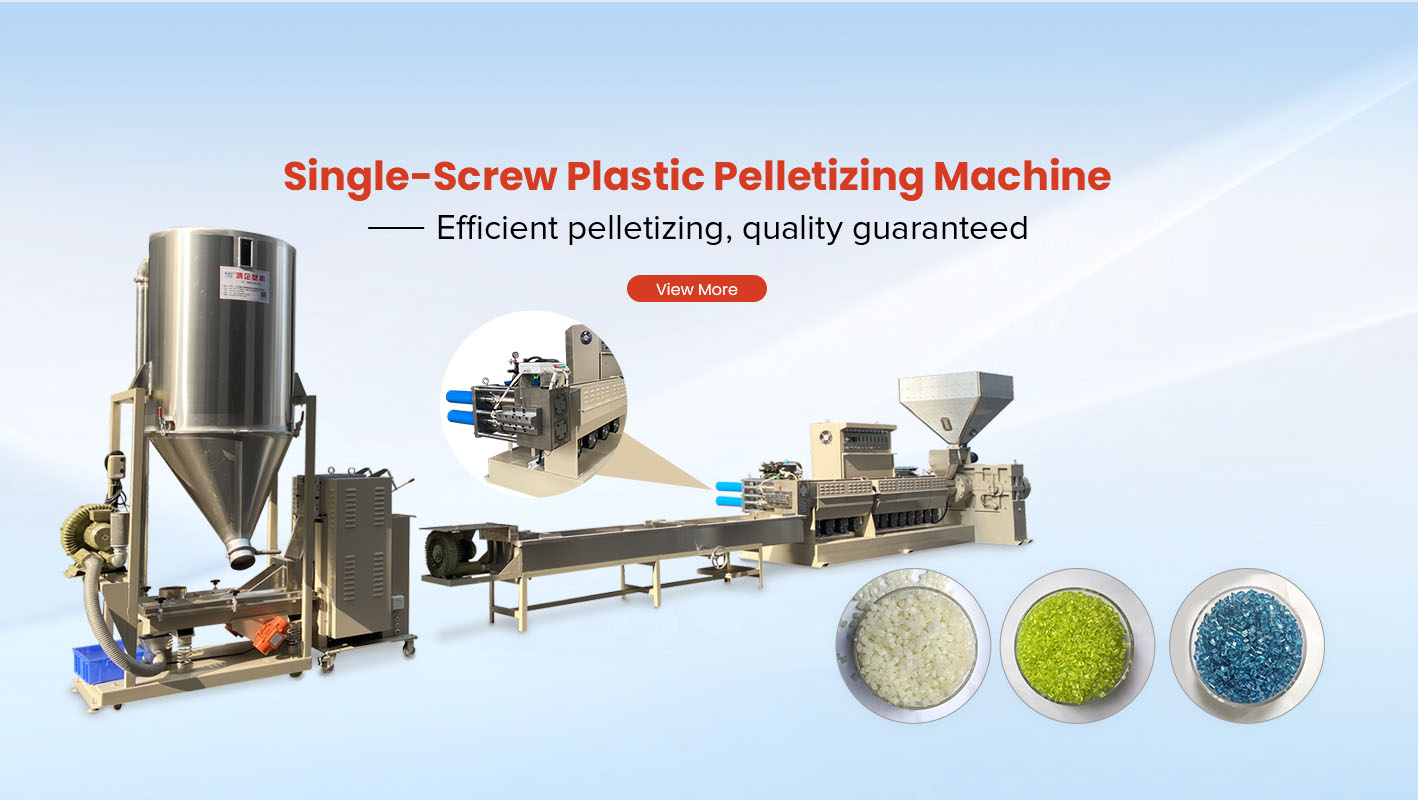
Our Single Screw Plastic Extruder Machine for Recycling and pelletizing solutions can help convert suitable plastic scrap into reusable pellets. But machine performance cannot fully fix poor sorting or chemical contamination.
A good recycling line should be supported by material identification, washing, drying, filtration, degassing, and quality inspection.
This is especially important when processing post-industrial scrap from factories that use solvents, inks, adhesives, or coatings.
What Processors Should Remember
Acetone can damage many plastics, especially ABS, acrylic, and polystyrene. Other plastics may resist better, but testing is still necessary.
For recycling and pelletizing, keep solvent-contaminated plastics separate and avoid feeding unknown chemical residues into the machine.
Request a Plastic Recycling Process Review
Send us your plastic type, scrap source, contamination condition, washing status, moisture level, required output, and pellet application. We can recommend suitable pelletizing equipment and process direction for your material.