Milk cartons can be confusing because many are made from paperboard combined with plastic coating, and some shelf-stable cartons may also include an aluminum layer. Whether they go into paper or plastic recycling depends on your local recycling program.
In many places, cartons are collected through a separate carton recycling stream or accepted with paper containers after specialized processing. In other places, they may not be accepted at all. The best answer is to check local recycling rules before placing milk cartons in the bin.
Why Milk Cartons Are Not Simple Paper
A milk carton may look like paper, but the paperboard is usually coated to hold liquid. Without the coating, the carton would absorb milk and become weak.
This multi-layer structure makes carton recycling different from ordinary paper recycling. The paper fibers need to be separated from plastic and sometimes aluminum layers.
That is why cartons cannot always be treated like office paper or cardboard boxes.
Why They Are Not Simple Plastic Either
Milk cartons are also not normal plastic bottles. They are not made from one plastic type like HDPE or PET bottles. Their structure is usually laminated and layered.
This means they should not automatically go into plastic recycling unless your local program specifically accepts them.
Mixed material packaging needs suitable sorting and processing.
What Happens in Recycling?
Where carton recycling is available, cartons may be pulped so the paper fibers separate from the plastic coating. The recovered fiber can be used in new paper products, while the remaining plastic or aluminum mix may be handled differently depending on the facility.
Clean and empty cartons are easier to process. Leftover liquid creates odor and contamination.
For consumers, the simple habit is to empty, rinse if required locally, and follow local bin instructions.
Milk carton recycling is a good example of why material separation matters. Mixed materials cannot be treated like clean PP, PE, ABS, or PET scrap.
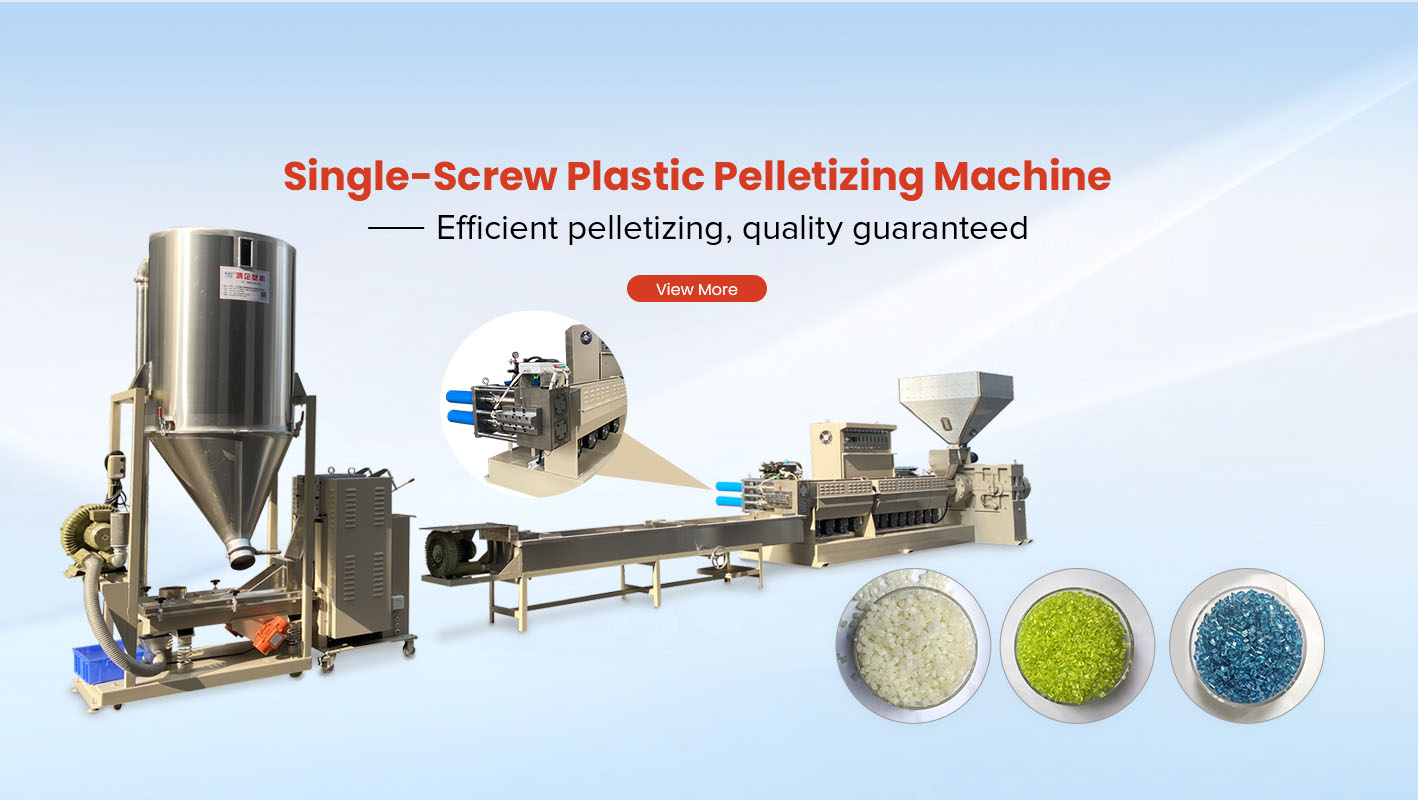
Our factory mainly produces plastic recycling and pelletizing equipment for materials such as PP, PE, ABS, PC, PET, PBT, PA, HDPE, LDPE, and PS. For plastic recycling projects, we also supply mixers, dewatering machines, pelletizers, vibrating screens, conveyors, and Auxiliary Equipment.
When a recycling project involves coated or layered material, buyers need to confirm whether the plastic layer can be separated, cleaned, dried, and pelletized effectively.
De-Coating and Cleaning Considerations
Some recycling work requires removing coatings, paint, plating, labels, or surface contamination before pelletizing. Our Plastic De-Coating Machine and washing-related equipment can support selected recycling processes where surface treatment affects the final material.
For industrial plastic recycling equipment buyers, the first step is always material analysis. Clean factory PP scrap and coated composite packaging are completely different projects.
A machine line should be selected after understanding material structure, contamination level, moisture, and target pellet use.
Why Recycling Buyers Should Be Careful
A recycling line cannot turn every mixed waste stream into high-quality pellets automatically. Material sorting is the foundation.
Before investing in equipment, buyers should confirm:
This helps avoid buying equipment that does not match the waste material.
Clear Answer
Milk cartons may go into carton recycling, paper recycling, or general waste depending on local rules. They should not automatically be placed in plastic recycling because many cartons are layered materials, not single-plastic products.
For recycling businesses, mixed packaging shows why correct sorting and suitable processing equipment are essential.
Recycling Line Consultation
Send us your waste material type, plastic content, contamination level, required output, washing and drying needs, and target pellet application. We can help review suitable plastic recycling, dewatering, pelletizing, and auxiliary equipment for your project.