PP 5 can be safe for microwave use when the container is designed, tested, and labeled for microwave heating. But the number 5 only identifies the plastic family as polypropylene. It does not guarantee that every PP 5 item can safely handle microwave conditions.
This is why a yogurt cup, takeout box, food storage container, and industrial PP part should not be treated the same way. They may all be PP, but they are made for different uses.
Why People Trust PP 5
PP has better heat resistance than many common packaging plastics. It is also lightweight and widely used in food containers, caps, trays, and household products.
Because of this, many microwaveable plastic containers are made from PP. Still, the container must be marked for microwave use. A recycling code is not a heating instruction.
A safe container should keep its shape, avoid odor, and be used within the recommended time and temperature conditions.
When PP 5 Should Not Be Microwaved
Do not microwave a PP 5 item when it is damaged, too thin, stained from repeated use, warped, or not labeled for microwave use. Also be careful with oily or sugary foods because they can reach high temperatures.
Lids, seals, labels, or printed areas may use different materials from the main body. These parts may not react the same way in a microwave.
For food packaging buyers, this is why container structure and material traceability are important.
Manufacturing View: PP Is More Than a Code
For manufacturers, PP 5 is not only a recycling symbol. It is a material that must be processed correctly for different products.
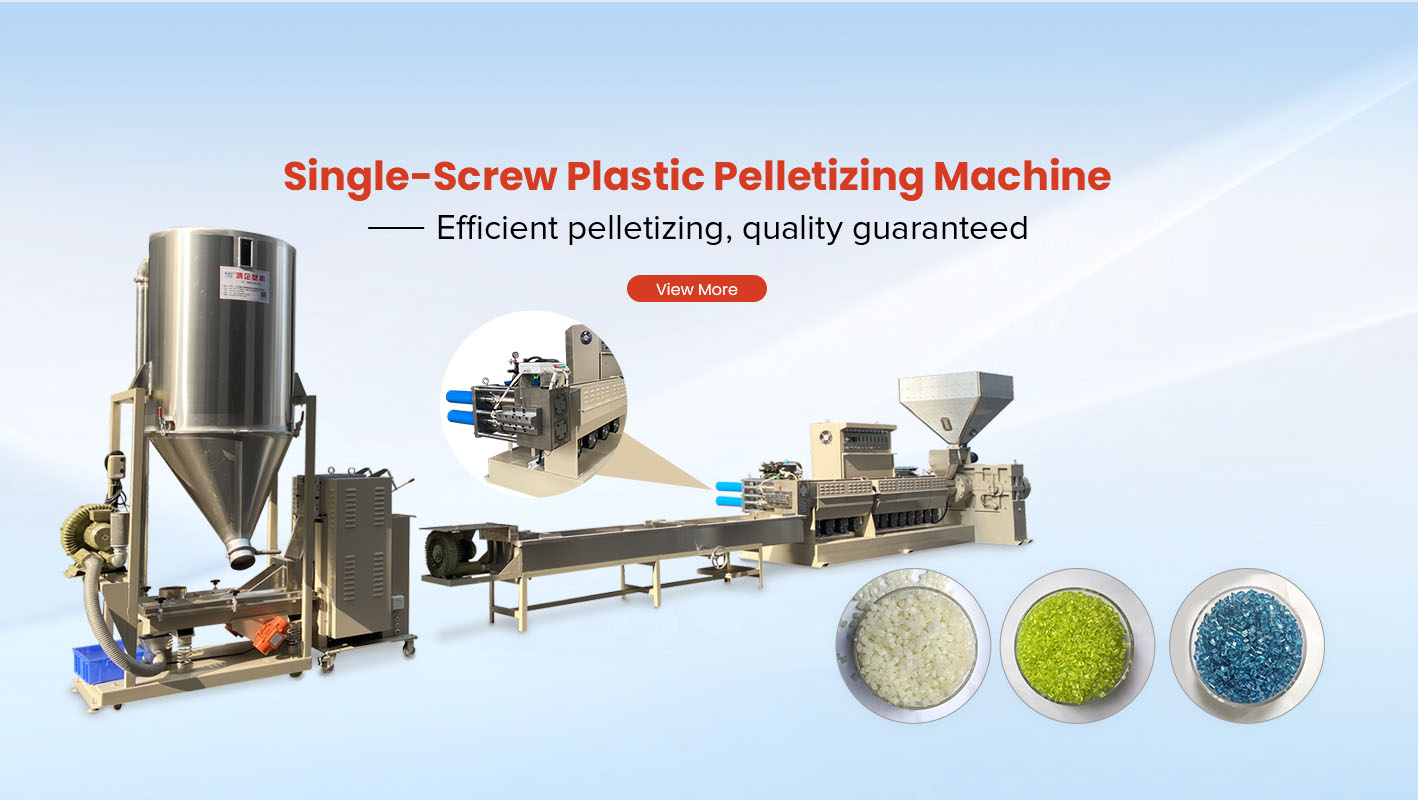
Our factory mainly manufactures plastic pelletizing machines and Auxiliary Equipment used in plastic recycling and pellet production. We provide single screw extrusion pelletizing machines, twin screw extrusion pelletizing machines, plastic color mixers, vertical dewatering machines, Strand Pelletizers, vibrating screens, Screw Conveyors, and Spare Parts.
For PP plastic recycling machine projects, clean feeding, stable melting, filtration, dewatering, and pellet cutting all affect recycled pellet quality.
Food Grade and Recycled PP Are Different Topics
Microwave food containers need to meet food-contact and heating requirements. Recycled PP is often used in non-food products unless the material and process meet strict standards for the target market.
This distinction is important. A recycled PP pellet may be suitable for buckets, trays, furniture parts, automotive components, or industrial products, but not automatically suitable for microwave food packaging.
For buyers, product application should be confirmed before choosing material or equipment.
Equipment Matching for PP Pellet Production
PP comes in many forms: rigid scrap, film, woven bags, injection waste, mixed pieces, and washed flakes. Different material forms may need different feeding, crushing, washing, drying, and extrusion setups.
For PP film or washed material, moisture control is important. For mixed color PP, a plastic color mixer may help improve batch consistency. For final pellet quality, a vibrating screen can separate irregular particles and powder.
For OEM/ODM plastic pelletizing line projects, we can discuss screw design, output capacity, pelletizing method, auxiliary equipment, and layout before production.
Better Questions for Buyers
Instead of asking only whether PP 5 is safe, manufacturers should ask:
What is the final product?
Is it food-contact or non-food?
Is microwave heating required?
Is the material virgin, recycled, or blended?
What pellet quality is needed?
What production output is expected?
What cleaning and drying system is required?
These questions lead to better material and equipment decisions.
Practical Answer
PP 5 can be microwave-safe when the container is designed and labeled for microwave use. The number 5 alone is not enough.
For plastic processors, PP quality depends on raw material selection, extrusion control, pelletizing stability, and final product requirements.
PP Pellet Production Support
Share your PP waste type, final pellet application, expected capacity, feeding condition, drying requirement, and bulk order plan. We can help match PP plastic recycling and pelletizing equipment for your production needs.