Polycarbonate is not the same as pmma. Polycarbonate is abbreviated as PC, while Pmma is polymethyl methacrylate, commonly known as acrylic. Both materials can be transparent, but their strength, optical performance, surface behavior, heat resistance, and processing requirements are different.
Confusing the two materials can lead to incorrect drying temperatures, unstable extrusion, poor product performance, or contamination during recycling.
Why They Are Often Confused
PC and PMMA are both used as transparent alternatives to glass. They can appear similar when supplied as clear sheets, molded components, lenses, covers, or recycled flakes.
Both materials are used in:
LED lighting
Advertising displays
Building panels
Automotive parts
Optical products
Furniture components
Protective covers
Electronic housings
Appearance alone is not a reliable way to identify them. Resin markings, supplier documentation, density testing, thermal analysis, or professional material identification may be required for recycling operations.
How Their Properties Differ
PMMA is usually selected for high transparency, gloss, outdoor weather resistance, and good surface hardness. It is commonly found in signs, display panels, decorative lighting, skylights, and optical applications.
PC is chosen when toughness, impact resistance, dimensional stability, and heat performance are more important. It is widely used for protective glazing, machine guards, electrical parts, automotive lighting, and durable housings.
PC can withstand much stronger impact than standard PMMA, but it may scratch more easily. PMMA produces a brighter, glass-like appearance, but it is more likely to crack after a concentrated impact.
Can PC and PMMA Be Mixed?
PC and PMMA should not be mixed casually during recycling or pellet production.
They have different processing windows and are not automatically compatible as one melt system. Even a small amount of the wrong transparent polymer may cause haze, reduced impact performance, unstable melt behavior, or visible defects in the next product.
Before feeding recycled material into an extruder:
Separate PC and PMMA scrap.
Remove protective film, labels, metal, dust, and other polymers.
Confirm whether the material contains coatings or flame retardants.
Dry the material according to its resin requirements.
Run a controlled trial before full production.
Check the pellets for color, bubbles, black spots, and melt consistency.
Clean transparent scrap is normally easier to process than mixed post-consumer material.
Why Drying Is Important
Both PC and PMMA can absorb moisture during storage. When wet material enters a hot barrel, the moisture may create bubbles, silver streaks, unstable extrusion, reduced molecular performance, or surface defects.
PC is particularly sensitive to hydrolytic degradation at elevated processing temperatures. Effective pre-drying and controlled material handling are therefore essential.
The correct drying conditions depend on the resin grade, scrap size, storage history, and equipment. Generic temperature settings should not replace the raw-material supplier’s data.
Selecting Equipment for Transparent Plastics
A stable transparent-plastic line needs more than a basic extruder. The screw design, residence time, temperature zones, filtration, die heating, cooling, cutting, and material-contact cleanliness must work together.
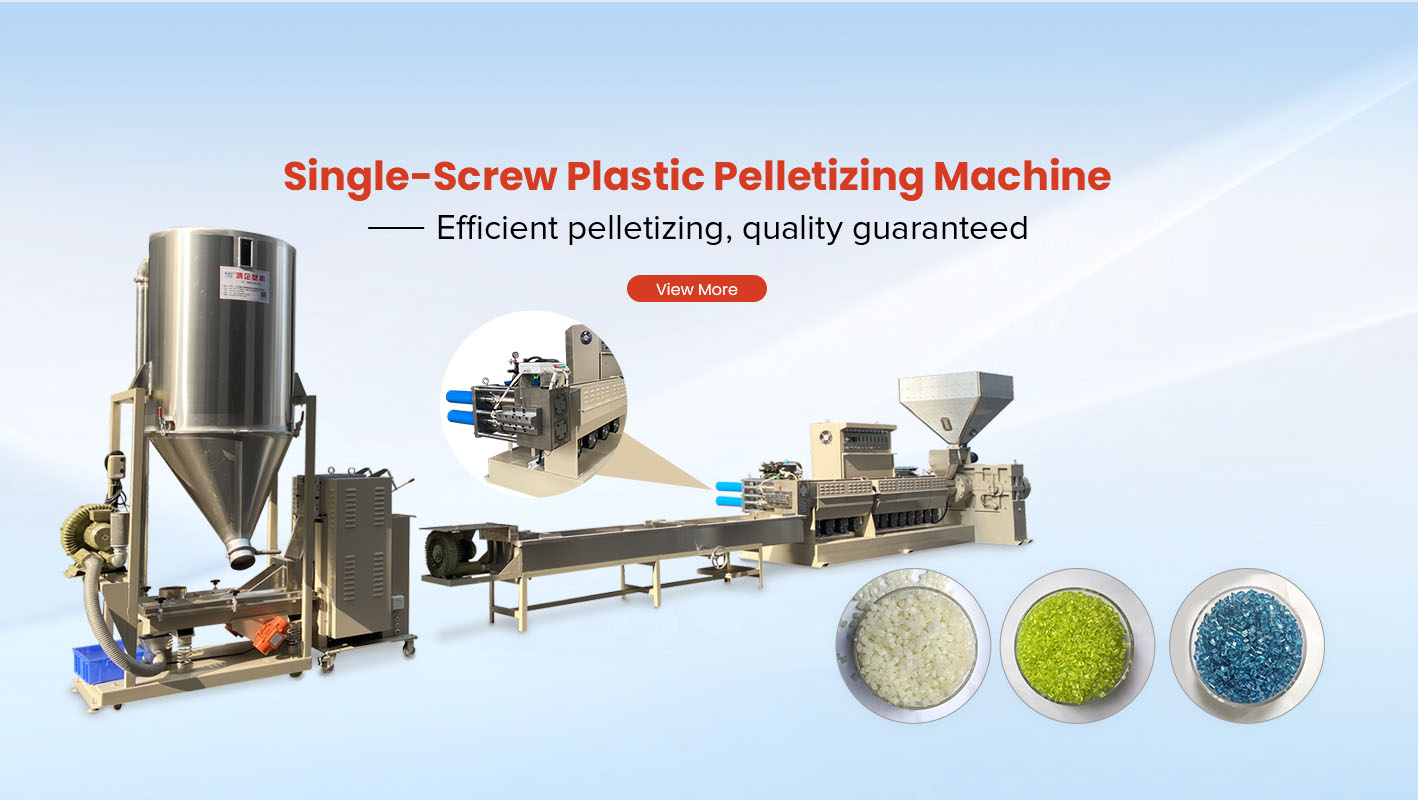
Our factory supplies PC and PMMA recycling granulators designed to reduce unnecessary thermal stress and maintain more consistent pellet appearance.
As a Wholesale Supplier of plastic recycling granulators, we can provide configurations for small trials, medium production lines, and larger industrial output.
Available services include:
Screw and barrel configuration
Manual or hydraulic screen changing
Automatic feeding
Water cooling
Strand pelletizing
Vibrating screening
Dust and contamination control
Complete line layout
Spare-parts supply
Remote technical support
Our single-screw pelletizing series includes different screw diameters and output levels, allowing buyers to select equipment according to actual material volume instead of oversizing the complete line.
Get a Transparent Plastic Recycling Quote
Provide the PC or PMMA grade, scrap photographs, hourly output, contamination level, drying equipment, available power supply, and workshop dimensions.
Our engineers can prepare a machine proposal and explain the recommended screw, temperature-control, filtration, cooling, and pelletizing arrangement. Contact us for wholesale pricing, installation guidance, production training, and long-term technical service.