PC is generally much stronger than standard acrylic when strength refers to impact resistance. Polycarbonate can absorb substantial impact and deform without breaking, while acrylic is more likely to crack or fracture after a sharp blow.
However, “stronger” can mean impact resistance, tensile strength, stiffness, surface hardness, heat resistance, or resistance to outdoor aging. PC does not lead in every category.
Where PC Performs Better
Polycarbonate is used in applications where sudden impact or accidental damage is a major concern.
Typical examples include:
Its toughness allows thinner components to survive handling conditions that may break ordinary pmma.
PC also offers better heat performance than standard acrylic. This makes it useful around LED modules, electrical components, or equipment that produces continuous operating heat.
Where Acrylic Performs Better
Acrylic offers several advantages that are not captured by impact-strength comparisons.
It generally provides:
Higher light transmission
Better surface hardness
Stronger natural UV resistance
Better long-term outdoor clarity
A bright, glass-like finish
Easier polishing after minor surface damage
Acrylic is therefore widely used in displays, signs, decorative panels, outdoor covers, light guides, and applications where visual quality is more important than severe impact resistance.
Does Thickness Change the Answer?
Thickness strongly affects the performance of both materials.
A thick acrylic panel may resist more load than a very thin PC sheet. Component geometry, support distance, screw holes, edge quality, temperature, and loading direction also affect whether a part bends or breaks.
Designers should not replace one material with the other using identical dimensions without checking:
Required impact performance
Deflection under load
Operating temperature
Outdoor exposure
Flame requirements
Surface scratching
Chemical contact
Fastener stress
Required transparency
Material cost
The specific resin grade matters as well. Impact-modified Pmma and coated PC can narrow some of the performance differences.
Processing Strength Begins With Resin Quality
A strong finished PC component can still fail when the material has degraded during drying, extrusion, or repeated recycling.
Excess moisture, excessive temperature, long residence time, contamination, and uncontrolled shear may reduce polymer performance. Recycled PC should therefore be processed with a line designed around the material condition.
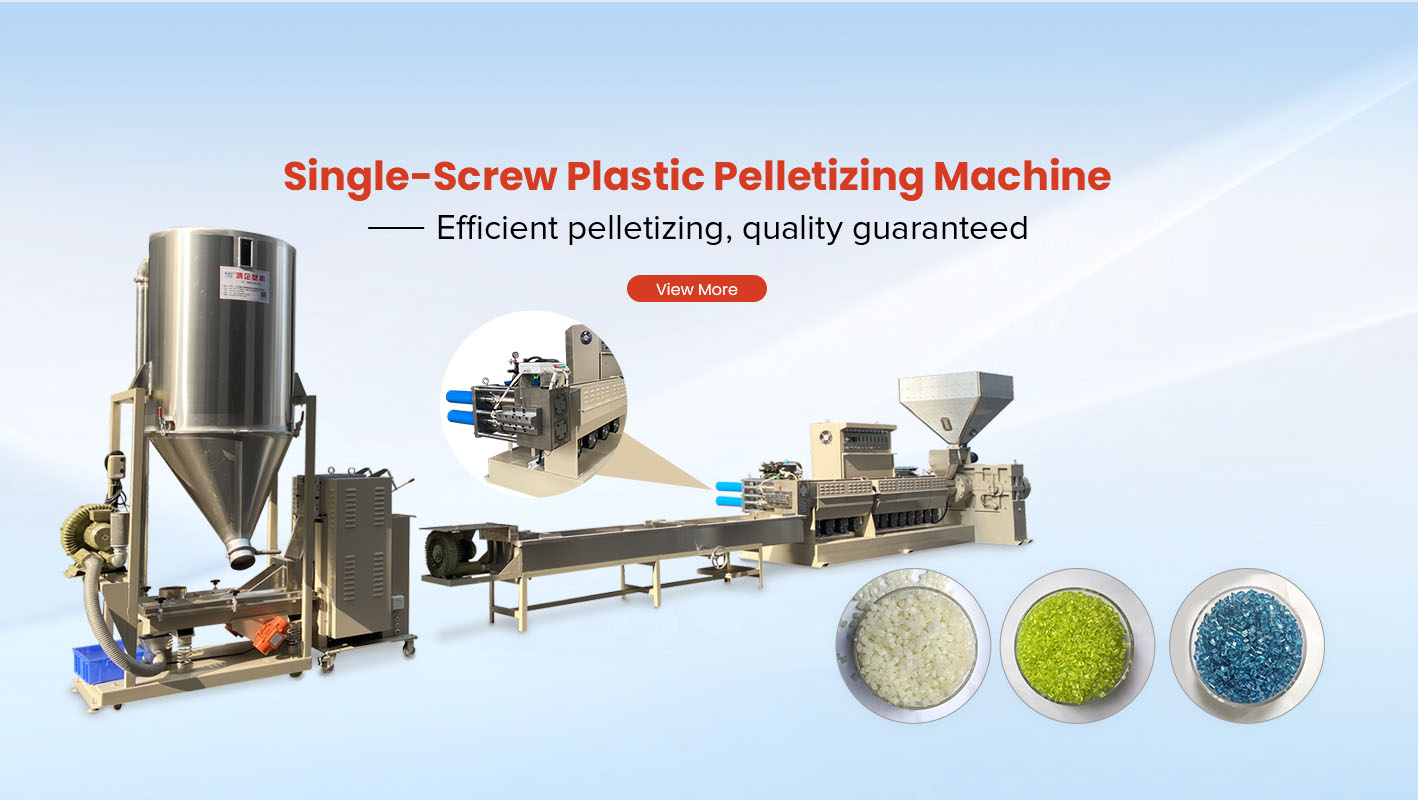
Our Commercial Grade PC plastic pelletizing machines are developed for transparent and engineering-plastic recycling where melt consistency, color control, and stable output are important.
Our factory supports:
PC scrap and runner recycling
PC and PMMA transparent-material granulation
ABS/PC and engineering-plastic processing
Additive and masterbatch production
Single-screw pelletizing
Twin-screw compounding
Two-stage extrusion
Washing and Auxiliary Equipment
Advanced CNC machining centers are used to support screw, barrel, and equipment accuracy. Machine configurations can be customized with different motor powers, screw diameters, control systems, degassing units, and screen changers.
Discuss Your PC Recycling Requirements
Share the PC grade, product source, moisture condition, additives, target pellet quality, hourly output, and end application.
Our team can recommend drying, feeding, extrusion, filtration, cooling, and cutting configurations. Request a commercial-grade equipment quotation covering technical planning, machine production, trial support, installation guidance, training, and after-sales service.