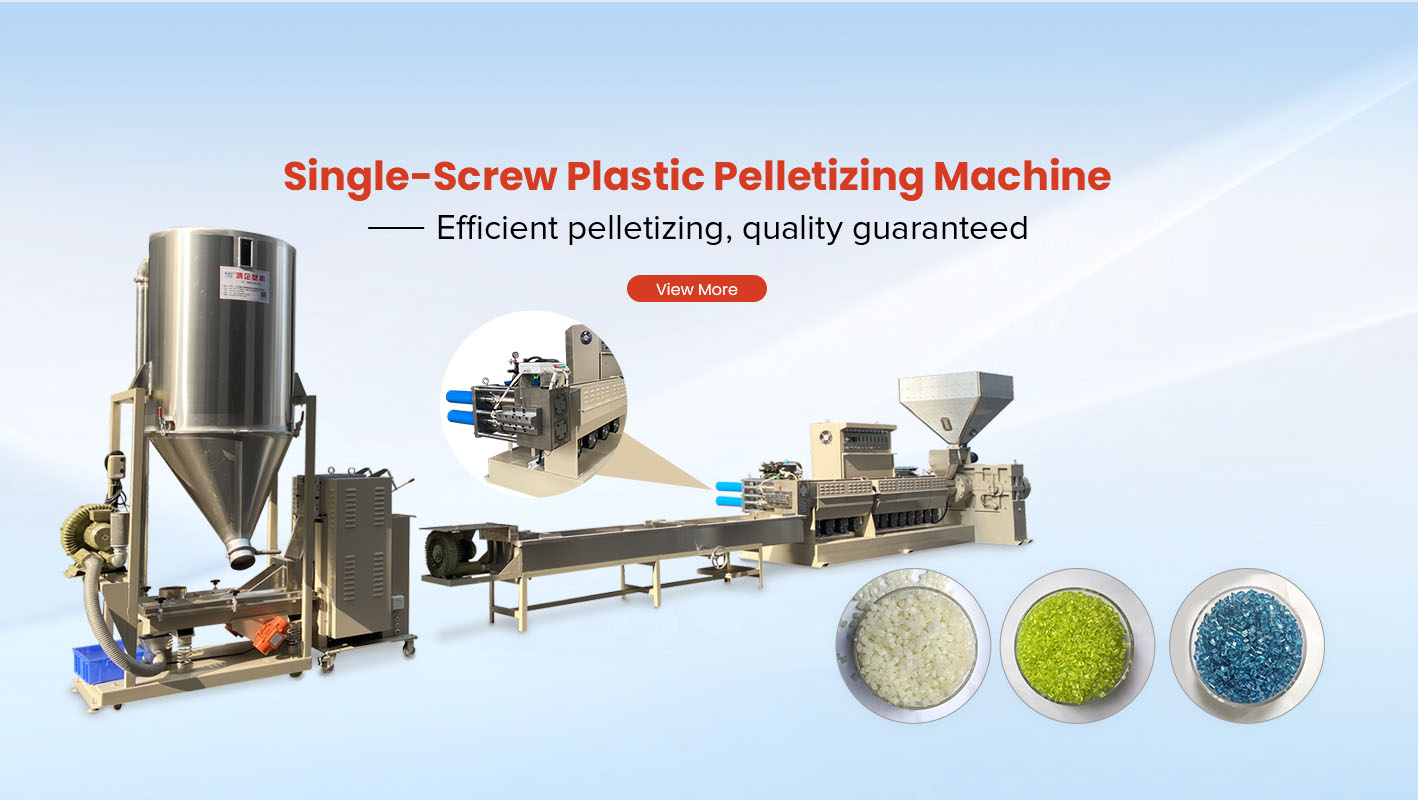
Industrial plastics are polymer-based materials used to manufacture components, packaging, panels, electrical housings, automotive parts, pipes, machinery elements, and countless other products. The term does not describe one resin. It covers a wide range of materials selected for their processability and combinations of strength, weight, insulation, chemical resistance, appearance, or cost.
Most industrial plastics arrive at a converting factory as pellets, powder, flakes, or compounded granules. They are then processed by extrusion, injection molding, blow molding, thermoforming, rotational molding, or other manufacturing methods.
Why Industry Uses Plastics
Metals, glass, wood, ceramics, and plastics each solve different engineering problems. Plastics are often selected because manufacturers can shape complex parts efficiently while integrating color, texture, insulation, flexibility, or impact performance into the material.
Their performance can also be adjusted through formulation. Adding glass fiber may increase stiffness, an elastomer may improve impact resistance, pigments provide color, and flame-retardant systems address specific fire-performance requirements.
These benefits depend on correct material selection. A plastic that performs well in indoor packaging may fail quickly under outdoor heat, ultraviolet exposure, fuel contact, or structural loading.
Industrial Plastic Is More Than Virgin Resin
Industrial production may use:
Virgin resin from polymer producers
Off-specification pellets
Factory edge trim and production scrap
Post-industrial regrind
Post-consumer recycled flakes
Masterbatch
Filled or reinforced compounds
Blends of compatible polymers
Recycled material should not be judged only by appearance. Melt-flow behavior, moisture, odor, contamination, color stability, ash content, and mechanical properties may vary between batches.
From Waste Plastic to Reusable Pellets
A typical mechanical recycling route may include sorting, crushing, washing, dewatering, drying, feeding, melting, filtration, degassing, pelletizing, cooling, and screening. Not every project needs every stage.
Clean injection-molding runners can follow a relatively short route. Printed film containing water and organic residue requires much more preparation. Engineering-plastic scrap may need careful drying and low-contamination handling to protect performance.
Pellet uniformity is influenced by feed stability, melt temperature, screen condition, screw speed, pressure, cooling, and cutter operation. The extruder is central to the line, but upstream preparation and downstream pellet handling are equally important.
Single Screw or Twin Screw?
A single-screw extruder is often effective for stable conveying, melting, pressure generation, and recycling a reasonably uniform thermoplastic stream. Its relative simplicity can make operation and maintenance straightforward.
A twin-screw extruder is commonly selected for compounding, blending, additive dispersion, reactive processing, intensive venting, or feedstocks that benefit from stronger mixing control. Screw Elements can be arranged around the process objective.
Neither design is automatically superior. The correct choice depends on whether the main task is straightforward re-pelletizing or controlled modification of a formulation.
Where Industrial Plastic Pellets Are Used
Reprocessed or compounded pellets may be converted into:
Packaging films and containers
Construction panels and profiles
Plastic furniture
Automotive interior and exterior components
Appliance housings
Electrical components
Pipes and fittings
Light-diffusion products
Household items
Suitability must be validated for the intended product. Recycled pellets are not automatically appropriate for medical, food-contact, pressure-bearing, electrical, or safety-critical applications simply because their resin name matches.
Industrial Production Support From Our Factory
Our factory designs, produces, sells, and services plastic pelletizing machinery, drawing on more than 20 years of industry experience. We supply plastic recycling equipment and complete processing solutions for materials such as PP, PE, ABS, PVC, PC, PMMA, PA, PET, PBT, and PS.
For customers seeking commercial-grade industrial plastic pelletizing machines, our team reviews raw-material samples, hourly capacity, pellet size, moisture, filtration, degassing, cooling, plant utilities, and available floor space. CNC machining supports equipment accuracy, while line configuration can be adapted through screw sizing, motor selection, controls, and Auxiliary Equipment.
We also manufacture the supporting equipment needed to connect individual processing stages. Mixers, conveyors, dewatering machines, Strand Pelletizers, de-coating machines, and vibrating screens can be matched to the selected extrusion route rather than purchased as unrelated units.
What Information Should a Machinery Supplier Receive?
A useful project inquiry should include photographs and samples of the material, resin identification, source of the waste, particle size, moisture level, contamination, current production steps, target capacity, available voltage, and the desired pellet application.
The phrase “industrial plastic” is too broad for machine selection. Defining the actual polymer, material condition, additives, process objective, and final quality standard turns a general request into a workable recycling or compounding project.