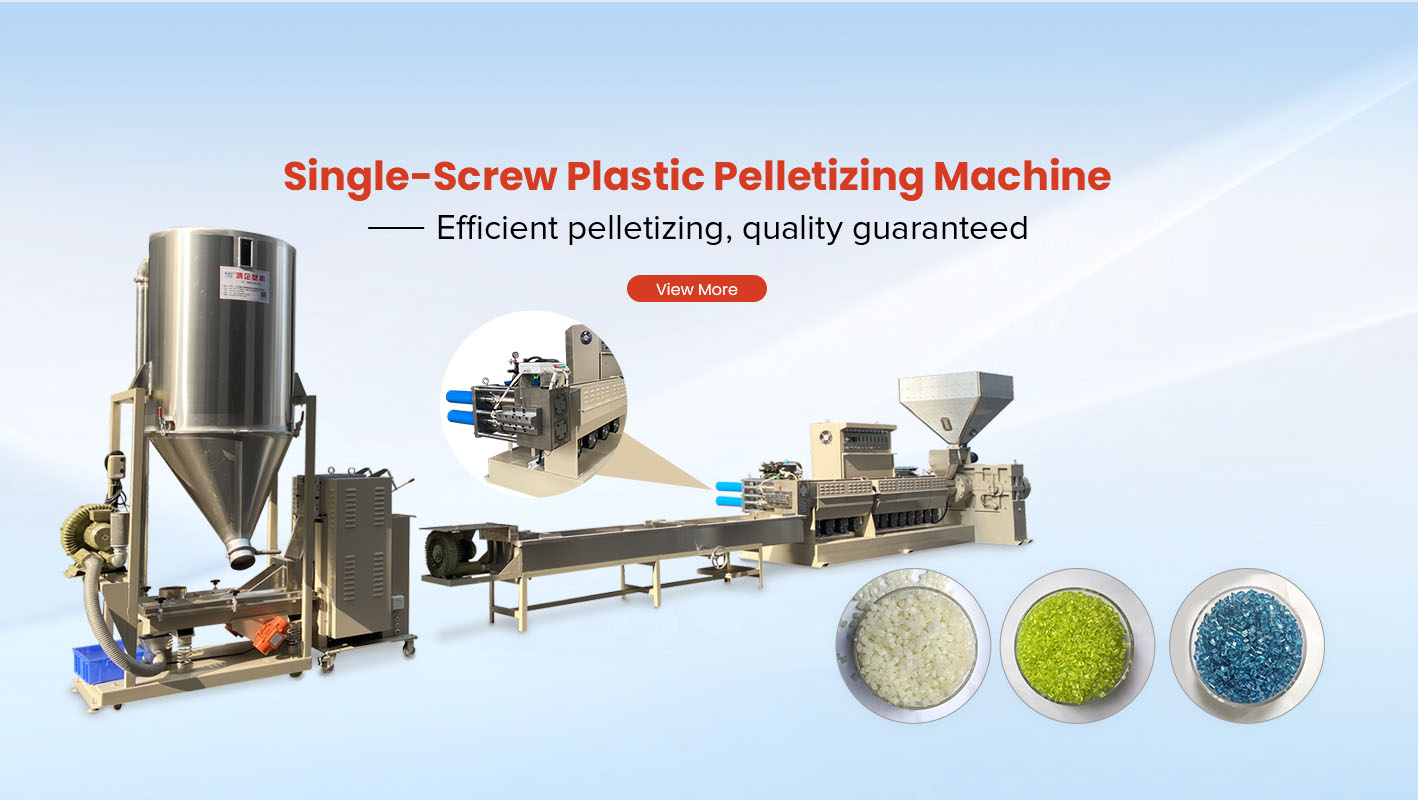
Vertical mixers are tall industrial machines that circulate bulk material upward and return it through gravity to create a more uniform batch. Plastic factories and recycling plants use them to prepare pellets, granules, flakes, regrind, masterbatch, and selected powders before the next production stage. A heavy duty Vertical Plastic Mixer becomes valuable when large batches, limited floor space, or combined mixing and drying are central to the process.
The Production Problem a Vertical Mixer Solves
Plastic material rarely arrives at the production machine as one perfectly uniform ingredient. A typical batch may contain virgin resin, recycled material, color masterbatch, filler, and smaller amounts of functional additives.
When these ingredients remain unevenly distributed, the extrusion or molding process can receive different formulations at different moments. This may contribute to color variation, inconsistent processing, or unstable downstream results.
A vertical mixer repeatedly circulates the material before it reaches the next machine. It does not correct an inaccurate recipe, but it helps distribute a correctly measured recipe more evenly.
Why Large Batches Need Controlled Circulation
Hand mixing becomes unrealistic as batch weight increases. It is physically demanding, difficult to repeat, and exposes the result to operator variation.
A large-capacity vertical mixer provides a defined chamber, powered circulation, timed operation, and controlled discharge. Published models can process from 1,000 kg to 12,000 kg, allowing buyers to choose a machine that corresponds with their production scale.
Capacity should be based on working load rather than chamber volume alone. Plastic film, dense pellets, powder, and regrind can have very different bulk densities. Two materials occupying the same volume may place very different loads on the motor and mixing system.
Why Vertical Layout Saves Floor Space
The tall chamber places much of the material above a relatively compact base. This makes vertical mixers useful where factories need batch capacity but cannot dedicate a wide area to horizontal equipment.
Floor-space efficiency does not mean the machine fits every building. Ceiling height, roof beams, cranes, feeding equipment, access platforms, lighting, ventilation, and maintenance clearance must all be checked.
The discharge point also needs to align with the next process. If material must travel to an extruder or storage hopper, the plant may require an auger conveyor or another feeding system.
Why Material Form Changes the Configuration
Standard pellets and granules generally flow well through a vertical mixer. Lightweight film, flakes, or sheets can behave differently. They may bridge at the inlet, float inside the chamber, or feed inconsistently.
A forced feeder can push these materials into the mixing section at a more controlled rate. The feeder is not simply an accessory; it should be selected according to material shape, bulk density, feed method, and expected throughput.
Fine powders present another challenge. They may separate from heavier pellets or escape through poorly sealed areas. Dust control, sealing, grounding, and cleaning access should therefore be considered before the machine is approved.
Why Add Heating and Drying?
Moisture can interfere with some plastic processing operations. A vertical mixer equipped with heating tubes and a fan can circulate warm air through the material while it is being mixed.
This arrangement is useful for pellets, granules, and recycled material that need general moisture reduction before further processing. It may also reduce the need to transfer material between separate mixing and drying machines.
Heating should not be added without a process target. The buyer needs to define the resin, inlet condition, required temperature, drying time, and acceptable outlet condition. Some hygroscopic engineering plastics require specialized drying control beyond a general heated mixer.
Why Timers and Automatic Shutoff Matter
A timer creates a more repeatable cycle than relying on an operator to estimate when mixing is complete. Published vertical configurations include timer-based automatic shutdown.
Repeatable time does not guarantee repeatable mixing if batch weight, ingredient ratio, or material condition changes. Operators still need a controlled recipe and loading procedure.
Automatic shutoff also does not replace normal safety practices. Emergency stops, electrical protection, guarding, and lockout procedures remain necessary around moving industrial equipment.
When Is a Vertical Mixer Worth Buying?
A vertical mixer deserves consideration when a factory experiences one or more of these conditions:
Manual blending cannot keep up with production.
Large quantities of pellets or recycled material are prepared per batch.
Workshop floor space is restricted.
Material needs to be mixed before extrusion or pelletizing.
Recycled flakes require a forced-feeding system.
Mixing and hot-air drying should occur in the same machine.
Batch time needs to be controlled more consistently.
A production line requires an integrated feeding and mixing stage.
A machine should not be purchased only because production volume may grow someday. Oversized equipment occupies more height, consumes more power, and may not mix small loads effectively.
Selecting the Correct Model
Start with the real batch weight and material bulk density. Then calculate how often the mixer must discharge to keep the downstream line supplied.
Check motor power, chamber construction, heating capacity, fan power, machine dimensions, weight, inlet height, and discharge position. Confirm whether the machine needs a forced feeder, conveyor, platform, storage hopper, or direct connection to an extruder.
A material trial or detailed application review is valuable when the recipe combines powders, flakes, pellets, and additives with very different characteristics.
Our Manufacturing Support
Our heavy duty Vertical Plastic Mixer range includes standard mixers, heating and drying models, air-driven configurations, and systems with integrated forced feeding. Stainless-steel structures are used on published models to support corrosion resistance and routine cleaning in plastic processing environments.
We can also review customized barrel capacity, motor configuration, heating system, feeding arrangement, and production-line connection. The correct configuration begins with the material and workflow rather than a generic equipment list.
Plan Your Vertical Mixing System
Provide the material type, batch size, required cycles per hour, heating target, workshop dimensions, electrical supply, and downstream process. Click here to request a heavy-duty vertical mixer proposal, and we will evaluate the machine around your production conditions.