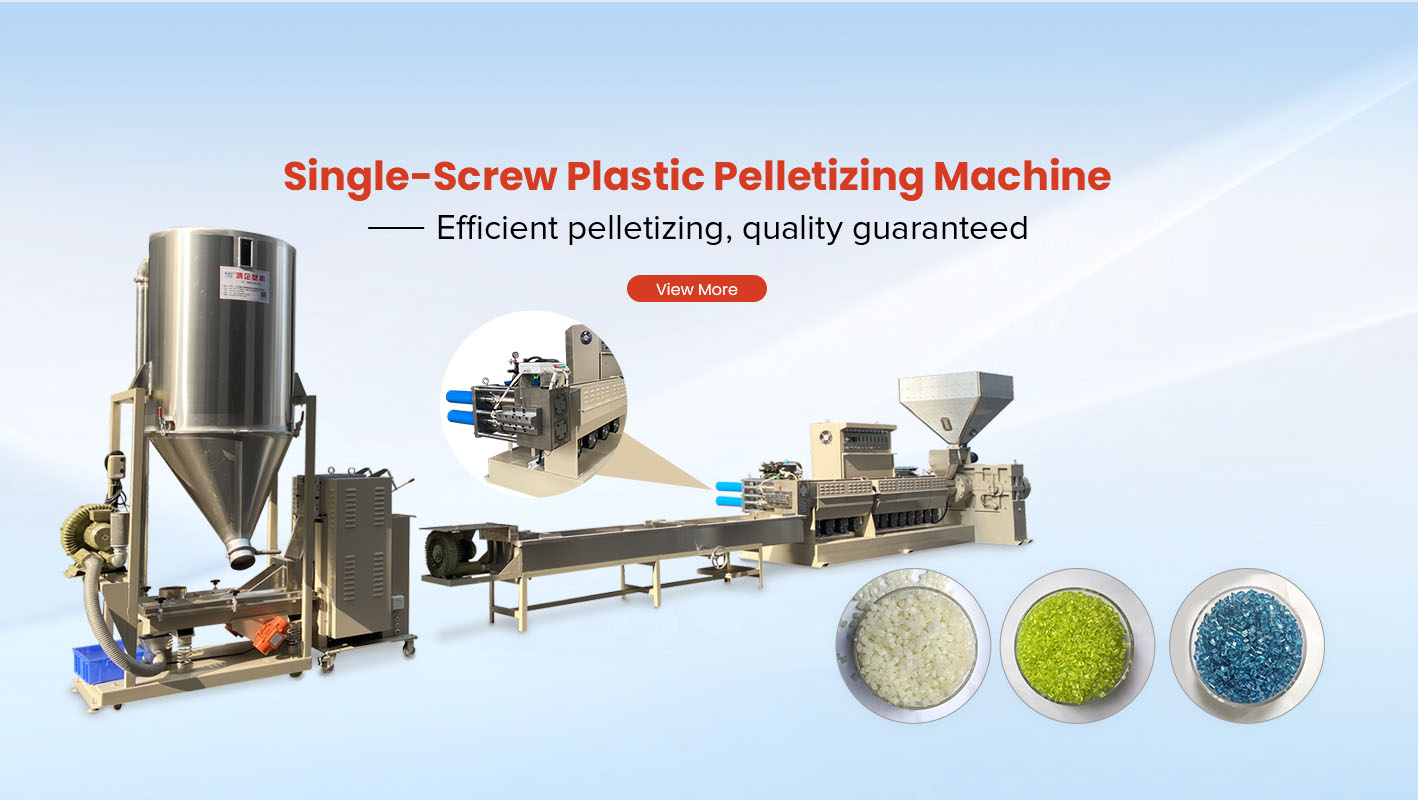
A vertical mixer for plastic resin is an industrial machine that circulates pellets, granules, regrind, flakes, powders, or additives through a tall mixing chamber. Material is lifted from the lower section and returned through gravity, creating repeated circulation until the batch reaches the required distribution. An OEM/ODM Vertical Plastic Mixer manufacturer can adapt capacity, feeding, heating, and discharge arrangements to the actual resin preparation process.
What Materials Can a Vertical Mixer Process?
Vertical mixers are commonly used with PP, PE, PVC, ABS, PET, PS, and other plastic materials in pellet, granule, regrind, or flake form. Whether a specific model can process the material efficiently depends on more than the polymer name.
Important properties include:
particle size and shape;
bulk density;
moisture level;
proportion of powder or additive;
tendency to bridge or clump;
electrostatic behaviour;
required batch uniformity.
Smooth pellets usually circulate more easily than lightweight film. Irregular recycled flakes may bridge near the inlet, while fine powder may cling to the chamber or separate from heavier resin.
For this reason, buyers should provide a representative material sample, photos, or a clear description before confirming the machine.
How Does Vertical Mixing Work?
Material enters the lower section of the mixer and is carried upward through an internal tube or conveying mechanism. It then falls back into the surrounding chamber.
Each circulation changes the position of the particles. After repeated movement, the base resin, recycled material, masterbatch, or additive becomes more evenly distributed through the batch.
Mixing time depends on batch size, fill level, particle differences, additive ratio, and the required result. A fixed cycle time should not be applied to every formulation without testing.
The machine should not be filled beyond its designed working level. Material needs sufficient room to circulate, and overloading can increase motor load while reducing mixing performance.
What Is the Capacity Range?
Our vertical plastic mixer models cover published capacities from 1,000 kg to 12,000 kg.
The range includes:
HQ-1000 with a 4 kW main motor;
HQ-2000 with a 5.5 kW main motor;
HQ-3000 with a 7.5 kW main motor;
HQ-5000 and HQ-6000 with 11 kW main motors;
HQ-8000, HQ-10000, and HQ-12000 with 18.5 kW main motors.
Machine dimensions and weight increase with capacity. The HQ-3000, for example, is listed at 2100 × 3650 mm with a machine weight of approximately 700 kg.
These are published configurations rather than a universal recommendation. Actual selection should consider working batch weight, material bulk density, motor load, cycle time, and factory layout.
When Is a Forced Feeder Needed?
Lightweight plastic flakes, film, sheets, or powders may not enter a standard vertical mixer smoothly. They can bridge, float, or accumulate near the feed opening.
An integrated forced-feeding vertical mixer helps maintain a more stable material flow into the chamber. This configuration is particularly relevant to recycling lines that process mixed flakes or low-density material.
Forced feeding does not solve every flow problem. Material shape, contamination, moisture, and particle size still need to be evaluated. The feeder must also be matched to the mixer and upstream conveyor so it does not deliver material faster than the chamber can accept it.
Can the Mixer Heat and Dry Resin?
A vertical mixer can be configured with heating tubes and fan-assisted hot-air circulation. This combines mixing with moisture reduction and can simplify material preparation before extrusion or pelletizing.
Published heating configurations range from 18 kW on smaller models to 30 kW on larger models. Fan power also changes according to the selected capacity.
The drying result depends on initial moisture, air temperature, airflow, batch depth, residence time, and resin sensitivity. Hygroscopic polymers may require more controlled drying than a general hot-air mixer can provide.
Temperature-sensitive material also needs careful control. Excessive heat may cause softening, agglomeration, discoloration, odor, or degradation.
Where Are Vertical Resin Mixers Used?
Plastic Manufacturing
Resin pellets, color masterbatch, fillers, and additives can be prepared before extrusion, injection molding, blow molding, or other downstream processes.
Plastic Recycling
Recycled flakes and regrind from different batches can be circulated to reduce material variation before pelletizing or reuse.
Plastic Modification
Base resin can be mixed with flame-retardant, wear-resistant, reinforcing, or other functional additives before compounding.
Masterbatch Preparation
Pigments and carrier resin can be pre-mixed before entering the main processing equipment.
The vertical mixer prepares material but does not replace accurate dosing. Where the additive ratio is critical, weighing and feeding equipment must control the formulation before mixing begins.
What Maintenance Does the Machine Need?
Operators should inspect the motor, transmission, bearings, paddles, internal tube, fasteners, discharge system, and electrical controls according to the maintenance schedule.
Material buildup should be removed before it affects flow or contaminates the next batch. Heating ducts, fans, and temperature controls also require regular inspection on drying models.
Before cleaning or entering the machine, the power supply must be isolated and the manufacturer’s lockout procedure followed. Safety covers and interlocks should never be bypassed to shorten cleaning time.
How We Support Customized Resin Mixing
As an OEM/ODM Vertical Plastic Mixer manufacturer, we can review chamber capacity, motor power, forced feeding, heating, fan configuration, discharge height, stainless-steel structure, and connections with conveyors or extrusion lines.
Our published vertical mixer construction includes stainless-steel contact areas, 2 mm outer panels, a 6 mm paddle bottom, a 4 mm upper section, and a 3 mm inner tube on relevant configurations. Final construction should be confirmed against the selected model and application.
Configure a Vertical Resin Mixer
Send us the resin type, particle form, batch weight, moisture condition, heating requirement, available workshop height, and downstream equipment. Click here to request a customized vertical mixer quotation, and our technical team will review the required configuration.