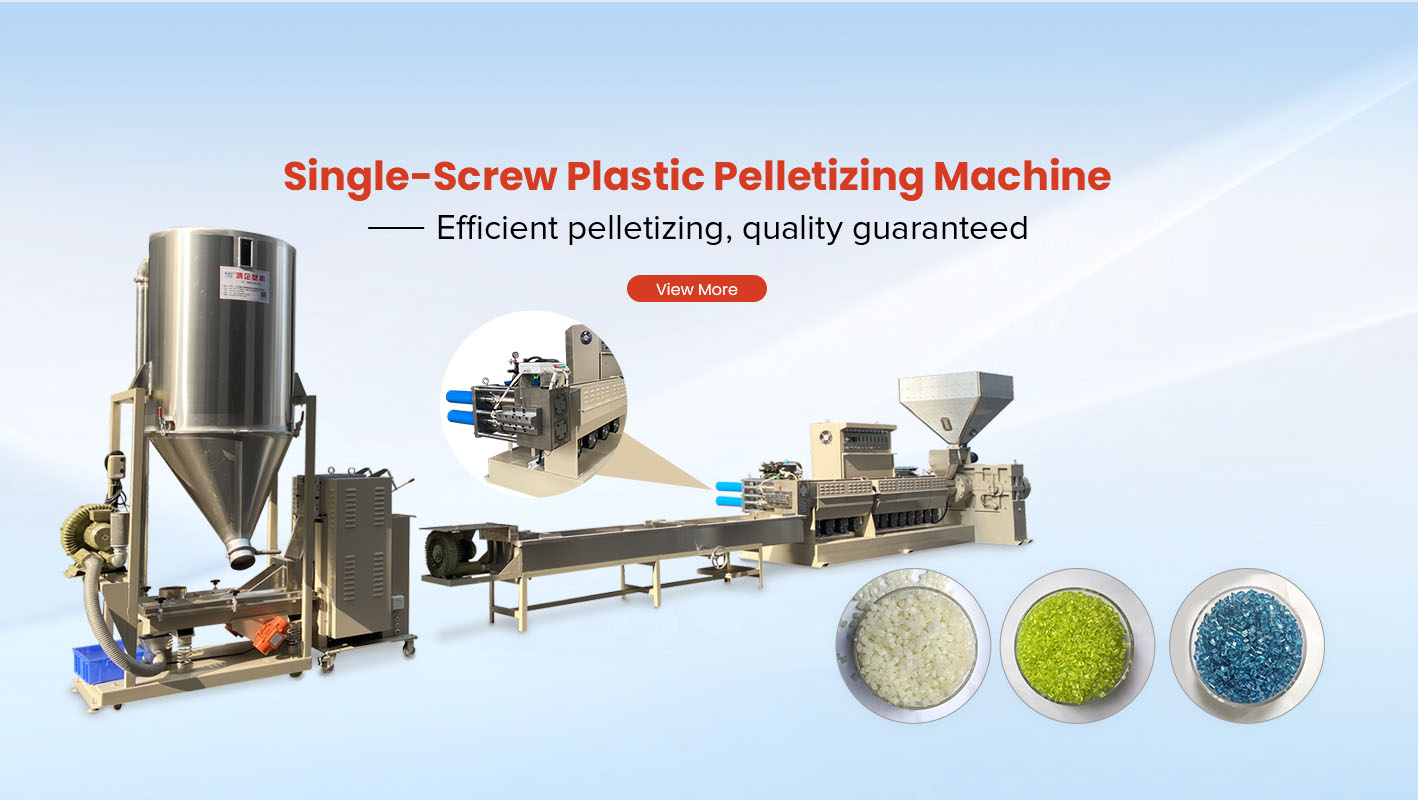
Buying a plastic pelletizing machine from China can help recycling plants and plastic processors reduce material waste, but a low quotation does not always mean a lower total cost. For PVC recycling, cable material, pipe scrap, profile waste, soft PVC, rigid PVC, and mixed recycled materials, buyers need to check the equipment configuration carefully before placing a bulk order.
A reliable plastic pelletizing line manufacturer should help buyers confirm the raw material condition, output target, extrusion structure, cooling method, cutting system, screening process, electrical control, Spare Parts, and installation support. Our double-stage PVC pelletizing extrusion equipment is made for buyers who need stable pellet quality, better degassing, and continuous recycling production.
Start With The Material, Not The Price
Many sourcing mistakes start when buyers only ask for the cheapest machine. PVC materials can be very different. Some factories process clean PVC powder, while others handle recycled PVC pipes, profiles, films, cable material, or mixed scrap with moisture and impurities. If the supplier does not ask about the material first, the quotation may not match the real production need.
Before ordering, buyers should send clear material information, including material type, moisture level, impurity condition, required pellet size, and expected hourly output. This helps avoid problems such as unstable feeding, poor plasticizing, bubbles, black spots, and uneven pellets after installation.
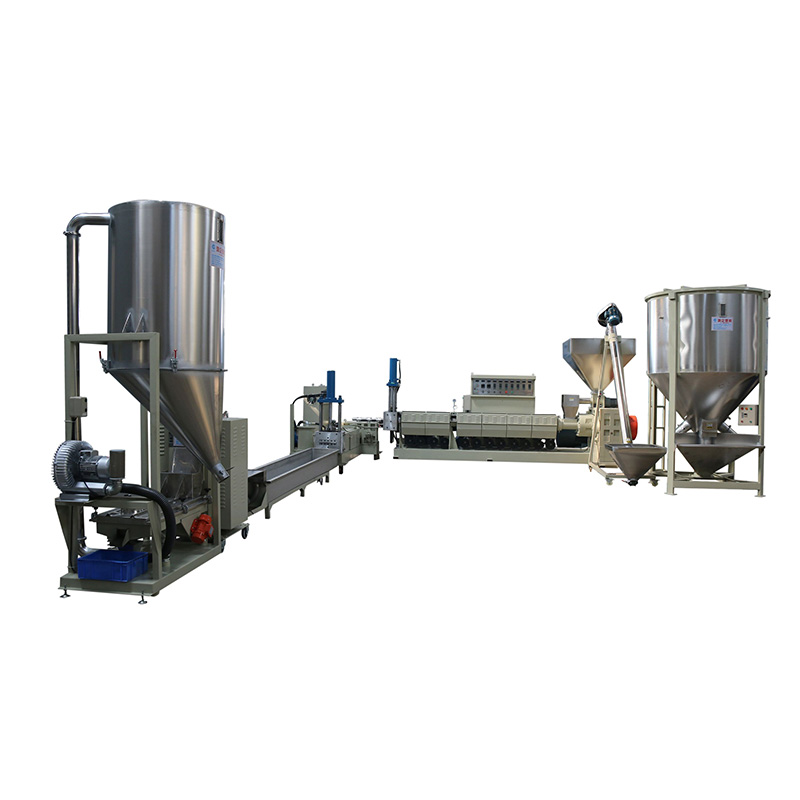
Our PVC pelletizing extrusion equipment is designed for recycled PVC and PVC blends. The double-stage extrusion structure gives the material more processing space, which is useful when the raw material needs better melting, filtering, pressure control, and degassing.
Check The Extruder Configuration Carefully
The extruder is the core part of the whole system. Buyers should not only look at the machine photo. They should check screw diameter, L/D ratio, motor power, barrel material, heating zones, cooling design, gearbox system, and screen changer type.
Our equipment uses a first-stage extruder with a 75KW main motor and a screw diameter of Φ100, supporting an output of about 300-350KG per hour under suitable material conditions. It also uses multi-zone temperature control, helping operators adjust processing temperature more accurately during PVC extrusion.
For buyers, this matters because PVC is sensitive to temperature. Poor control can lead to discoloration, unstable melting, or material degradation. When comparing suppliers, ask for the real configuration list instead of only comparing machine size and total price.
Do Not Ignore Degassing And Filtration
Recycled PVC often contains moisture, dust, additives, and small impurities. If the equipment cannot remove trapped gas and filter impurities well, the final pellets may have bubbles, weak quality, or unstable appearance. These problems can affect later processing in pipe, profile, cable, injection, or extrusion applications.
A double-stage structure is useful because the first stage focuses on melting and plasticizing, while the second stage helps stabilize pressure and improve material quality before pelletizing. The hydraulic screen changer also helps filter impurities during continuous operation.
Before ordering, buyers should ask whether the supplier can match the filtration method with the raw material condition. For dirty recycled PVC, this detail can affect pellet quality more than many buyers expect.
Review The Cooling And Cutting System
Pelletizing quality is not decided by extrusion only. Cooling and cutting also affect pellet shape, size, and downstream usability. If cooling is uneven, strands may deform or break. If the cutter is weak or unstable, pellets may become irregular, dusty, or difficult to screen.
Our equipment includes a 304 stainless steel cooling water tank and a pellet cutting machine with SKD-11 or tungsten steel rotary blades. The cutter uses variable frequency speed control, which helps adjust pelletizing speed according to material flow and target pellet size.
For recycling plants, uniform pellet size can make storage, packaging, and later processing easier. Buyers should always check blade material, cutter power, cooling tank size, and whether spare blades are easy to obtain.
Ask About Screening And Final Pellet Cleanliness
Some buyers only focus on extrusion output but forget the screening step. In real production, oversize pellets, dust, fine particles, and irregular granules can reduce the value of recycled PVC pellets. A screening system helps separate unsuitable particles before final collection.
Our equipment uses a vibrating screening structure with 304 stainless steel screen material. For buyers who need better pellet consistency, screening should be treated as a necessary part of the recycling setup, not an optional accessory.
Before confirming an order, ask the supplier how the final pellets are collected, screened, and transferred. This can help reduce manual handling and improve production efficiency.
Confirm Delivery, Installation, And Spare Parts
A machine order does not end when the equipment leaves the factory. Buyers should confirm lead time, shipping terms, installation support, operator training, spare parts supply, and troubleshooting communication before payment.
Our equipment supports common international trade terms such as FOB, CFR, CIF, and EXW, with an average lead time of about 1-2 months. For project buyers and recycling equipment distributors, clear delivery planning is important because installation delays can affect production schedules.
For OEM and ODM needs, buyers can discuss output requirements, configuration adjustment, electrical control options, machine layout, and supporting equipment before production. This is especially useful for recycling plants handling different PVC materials or planning future capacity expansion.
Conclusion
Before ordering a plastic pelletizing machine from China, buyers should check material suitability, extruder configuration, degassing ability, filtration method, cooling system, cutter quality, screening process, delivery schedule, and after-sales support. These details are more important than comparing the lowest quotation.
If you are preparing a PVC recycling project, factory scrap reuse plan, equipment upgrade, or wholesale machinery order, send us your raw material photos, target output, pellet size requirement, factory layout, and voltage standard. Our team can help review the suitable PVC pelletizing configuration and give practical guidance before you place the order.