In a plastic pelletizing line, strand breakage can look like a small interruption at first. One strand slips, another becomes too soft, the operator pulls material back into position, and the cutter restarts. But when this happens many times in one shift, the loss becomes obvious: unstable feeding, irregular pellets, more operator attention, slower line speed, and higher waste around the cutter.
For recycling plants, masterbatch producers, compounding factories, and plastic pelletizing line buyers, a plastic Strand Pelletizer should not be selected only by capacity. The real question is whether the machine can keep strands feeding smoothly when material behavior is not perfect.
The Breakage Point Is Usually Before The Cutter
Strands Need The Right Cooling Condition
A Strand Pelletizer works well only when the plastic strands enter the cutter in the right condition. If the strands are too hot, they may stretch, flatten, or stick before cutting. If they are too cold or brittle, they may snap during pulling and feeding.
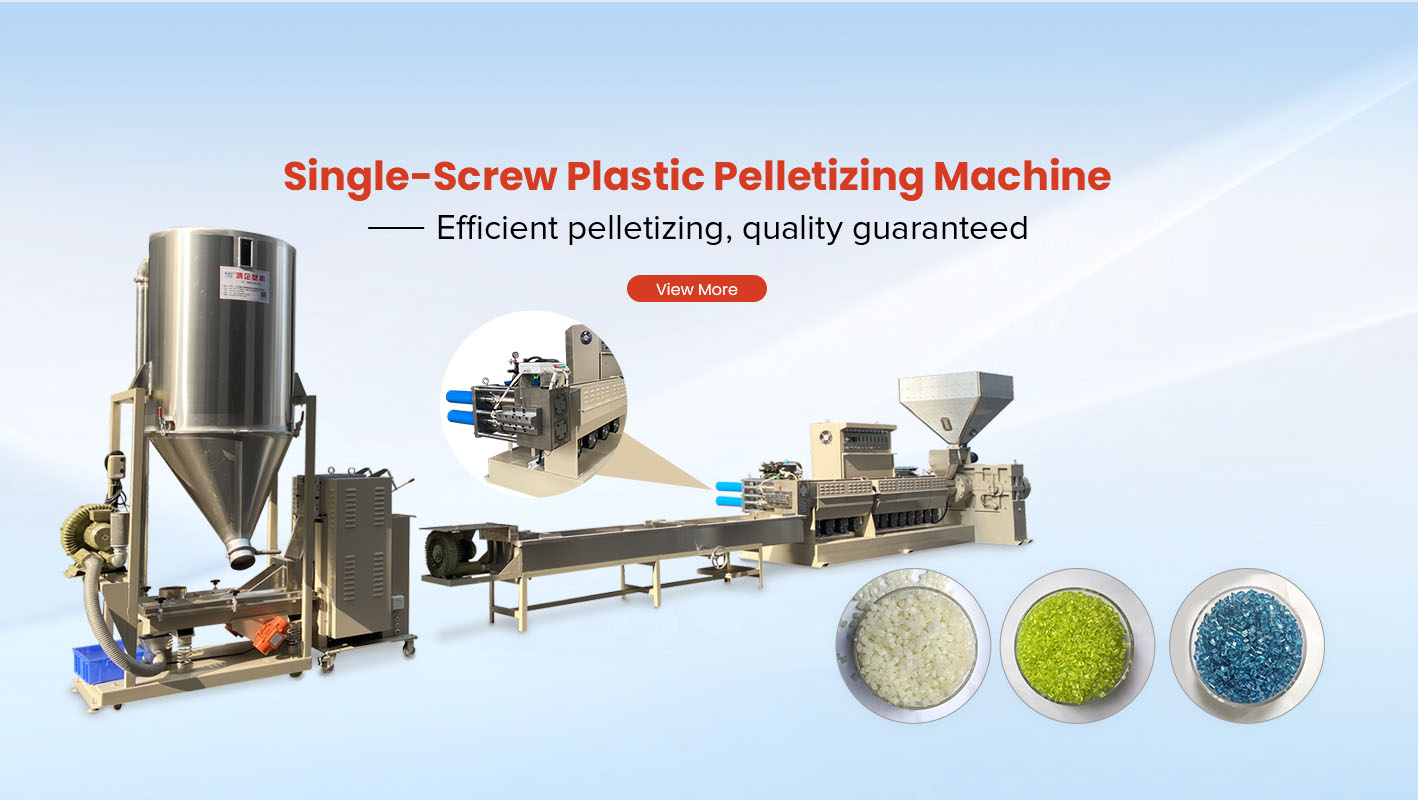
In water-cooling strand pelletizing lines, cooling length, water temperature, strand spacing, and haul-off stability all affect the final cutting result. A buyer should not treat the pelletizer as an isolated machine. The cooling section, pulling condition, and cutter feeding must work together.
Irregular Strand Thickness Creates Feeding Trouble
Recycled materials and filled compounds often produce strands that are not perfectly stable. Some sections may be thicker. Some may have small knots. Some may move unevenly after cooling. When the cutter cannot adapt to these changes, strands break or jump during feeding.
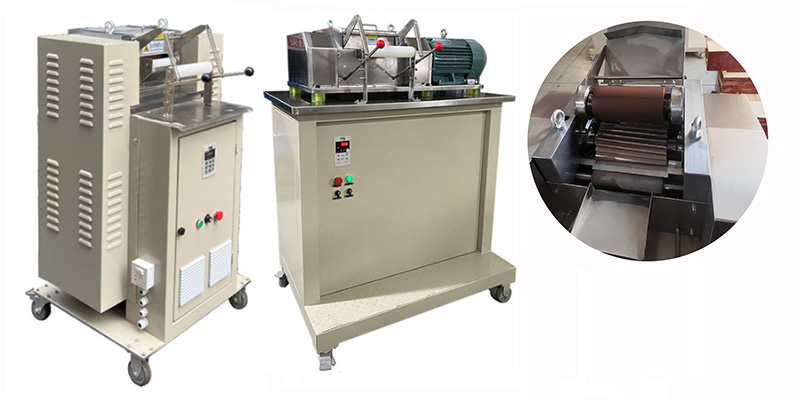
The strand pelletizer uses a spring-loaded cutting mechanism designed to handle unstable strands such as uneven thickness or knots. For factories that process recycled plastics, engineering compounds, or mixed material batches, this kind of feeding tolerance can reduce unnecessary stoppages.
High Speed Should Not Come Before Feeding Stability
Fast Cutting Is Useless If Strands Keep Falling Out
Many buyers ask about output first, but speed alone does not solve production problems. A machine may have high capacity, yet operators may still need to slow down if strands cannot enter the cutter smoothly.
Different models can cover production needs from smaller lines to higher-output pelletizing work. The practical choice should follow the real line condition: strand number, material type, cooling stability, operator skill, and target pellet size.
A plastic strand pelletizer for high-speed production should help the line stay continuous, not force operators to chase broken strands all day.
VFD Speed Control Helps Match The Line
The pelletizer uses variable frequency drive control for speed adjustment. This is useful because not every material should be cut at the same feeding speed. PP, PE, ABS, PC, soft plastics, hard plastics, masterbatch, and recycled compounds can behave differently after extrusion and cooling.
Instead of forcing one fixed speed, operators can adjust cutting speed to match strand condition. This gives the line more room to stabilize before increasing output.
Pellet Quality Shows Whether The Line Is Balanced
Uneven Pellets Are A Warning Sign
When strands are unstable, pellet size often becomes unstable too. Long pellets, short pellets, tailing, powder, crushed edges, or stuck pieces can appear. These problems may later affect packaging, drying, mixing, feeding into the next machine, or customer acceptance.
A reliable pelletizing setup should create uniform pellets because downstream buyers often judge material quality by pellet shape and consistency before they even process the resin.
Cutting Blades Should Match The Material
Soft plastics and rigid plastics do not cut the same way. Some materials need sharper cutting. Some need stronger blade resistance. Some filled materials may increase blade wear faster.
The equipment can use specialized cutting blades for different plastic materials. For buyers, blade choice should be discussed together with the material formula, not selected after cutting problems appear.
Operator Workload Is A Real Production Cost
Frequent Strand Breakage Keeps Workers Near The Machine
A stable line allows one operator to monitor several points. An unstable line forces workers to stand near the cutter, guide strands manually, clear jams, remove bad pellets, and restart the process again and again.
This increases labor pressure and reduces the value of high-capacity equipment. A pelletizer that handles unstable strands more smoothly can help operators focus on line monitoring instead of constant correction.
Cleaner Feeding Reduces Waste Around The Cutter
Every breakage creates waste. Strands may be cut incorrectly, pulled out, dropped on the floor, or re-fed after cooling has changed. These materials may need reprocessing or may be downgraded depending on contamination and plant rules.
For factories working with colored compounds, engineering plastics, or customer-specific batches, reducing this waste is important because every kilogram may already carry higher raw material cost.
Different Materials Need Different Machine Decisions
Recycling Lines Need More Tolerance
Recycled plastic feedstock is often less predictable than virgin resin. Melt flow, contamination level, moisture, filler, color, and strand behavior may change from batch to batch. A pelletizer used in recycling work needs more tolerance for unstable feeding.
The machine is suitable for plastic pelletizing operations involving materials such as PP, PE, ABS, PC, and other engineering plastics. For recycling buyers, material testing should be part of the selection process before confirming bulk equipment purchase.
Masterbatch Lines Need Cleaner Pellet Shape
Masterbatch buyers often care about pellet uniformity because the material will be mixed with base resin later. If pellets are uneven, dosing and dispersion may become less stable in downstream production.
For masterbatch producers, cutter precision and stable strand feeding are not only production details. They affect customer confidence in the final pellet product.
Line Layout Can Prevent Cutting Problems Earlier
Water Tank And Cutter Distance Should Be Planned
If the distance between cooling and cutting is not suitable, strands may enter the pelletizer in poor condition. Too much sagging, bending, or tension change before the cutter can increase breakage risk.
Before installation, buyers should review the line layout: die head position, cooling tank length, strand guide position, air knife or dewatering method, cutter height, and operator access. A good pelletizer still needs a proper feeding path.
The Machine Should Fit Existing Lines Smoothly
Some buyers add a pelletizer to an existing extrusion line. In that case, machine integration becomes important. The pelletizer should match current line height, output range, strand number, and available floor space.
The modular design supports integration into existing production lines. This is useful for factories upgrading a weak cutter section without rebuilding the entire pelletizing process.
Before Strand Breakage Becomes A Daily Loss
A plastic strand pelletizer should be chosen by looking at the full production scene: material type, cooling condition, strand stability, cutting speed, blade choice, line layout, and operator workload. Frequent strand breakage is rarely caused by one single point. It usually comes from several small mismatches between extrusion, cooling, feeding, and cutting.
If your factory needs a strand pelletizer for recycling, compounding, masterbatch, engineering plastic, or water-cooling pelletizing lines, come to us to plan the cutting section properly. Send the material type, strand number, target output, cooling method, current breakage problem, pellet size requirement, and existing line layout. Our team can help match the pelletizer model, cutter setup, blade direction, and speed control with your real production conditions, so the line runs more smoothly and loses less time to broken strands.