plastic recycling plants usually calculate profit by tonnage, not by machine appearance. When the pellet output is lower than expected, the problem quickly moves beyond the workshop. Delivery schedules become tight, labor hours increase, power consumption rises, and customers waiting for recycled pellets may start looking for other suppliers.
For plants processing PET flakes, film waste, bottle material, or mixed plastic streams, a plastic granulating machine must do more than run. It needs to keep stable output across long working hours, handle material changes without frequent shutdowns, and produce pellets that meet downstream processing requirements.
Low Output Often Begins Before The Machine Stops
Feeding Instability Reduces Real Capacity
Many plants compare equipment capacity by the rated output shown during purchasing. In daily operation, the actual output may be much lower because feeding is not stable enough.
When material enters the machine unevenly, the screw cannot maintain consistent melting and extrusion pressure. Operators may slow down the line to avoid blockage, overheating, or unstable pellet shape. The machine is still running, but the plant is already losing capacity hour by hour.
Material Moisture Changes Production Rhythm
Recycled plastic often carries moisture, dust, labels, oil, or uneven particle size. PET material is especially sensitive to drying and feeding control.
If moisture is not properly managed before processing, extrusion can become unstable. Pellet quality may fluctuate, and the operator may need to stop for cleaning or adjustment. These interruptions reduce the real production volume far more than buyers expect.
Frequent Faults Damage Delivery Confidence
Shutdowns Create More Than Repair Cost
A machine failure does not only create spare part expenses. It interrupts production planning, delays pellet supply, and forces the plant to reorganize labor.
When a plastic granulating machine stops unexpectedly several times in one week, the plant may miss delivery commitments even if the order quantity looked manageable at the beginning.
Operators Lose Time On Repeated Adjustments
Some equipment requires constant temperature correction, screw speed adjustment, screen cleaning, or cutter checking. These small tasks may not look serious during a short test run.
In full production, repeated adjustment takes time away from output. The workshop becomes busy, but pellet volume does not increase at the same pace.
The Screw System Decides How Stable Production Can Be
Melting Quality Affects Pellet Consistency
The screw is not just a conveying part. It influences plastic melting, pressure building, mixing, and discharge stability.
If the screw structure does not match the material, pellets may become uneven, brittle, hollow, or poorly shaped. Operators may reduce speed to improve quality, but this directly lowers production capacity.
Better Matching Reduces Waste During Operation
For recycling plants, every unstable batch creates waste. Material that needs to be reprocessed takes up time, power, and labor.
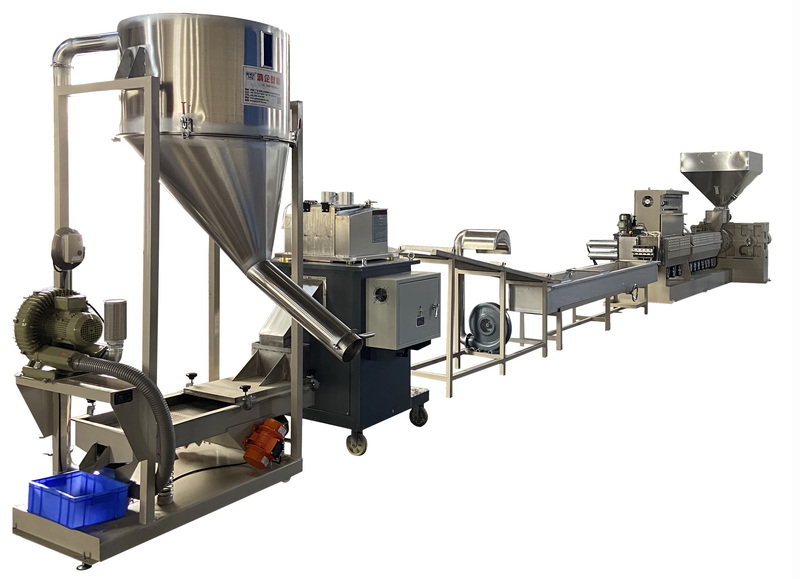
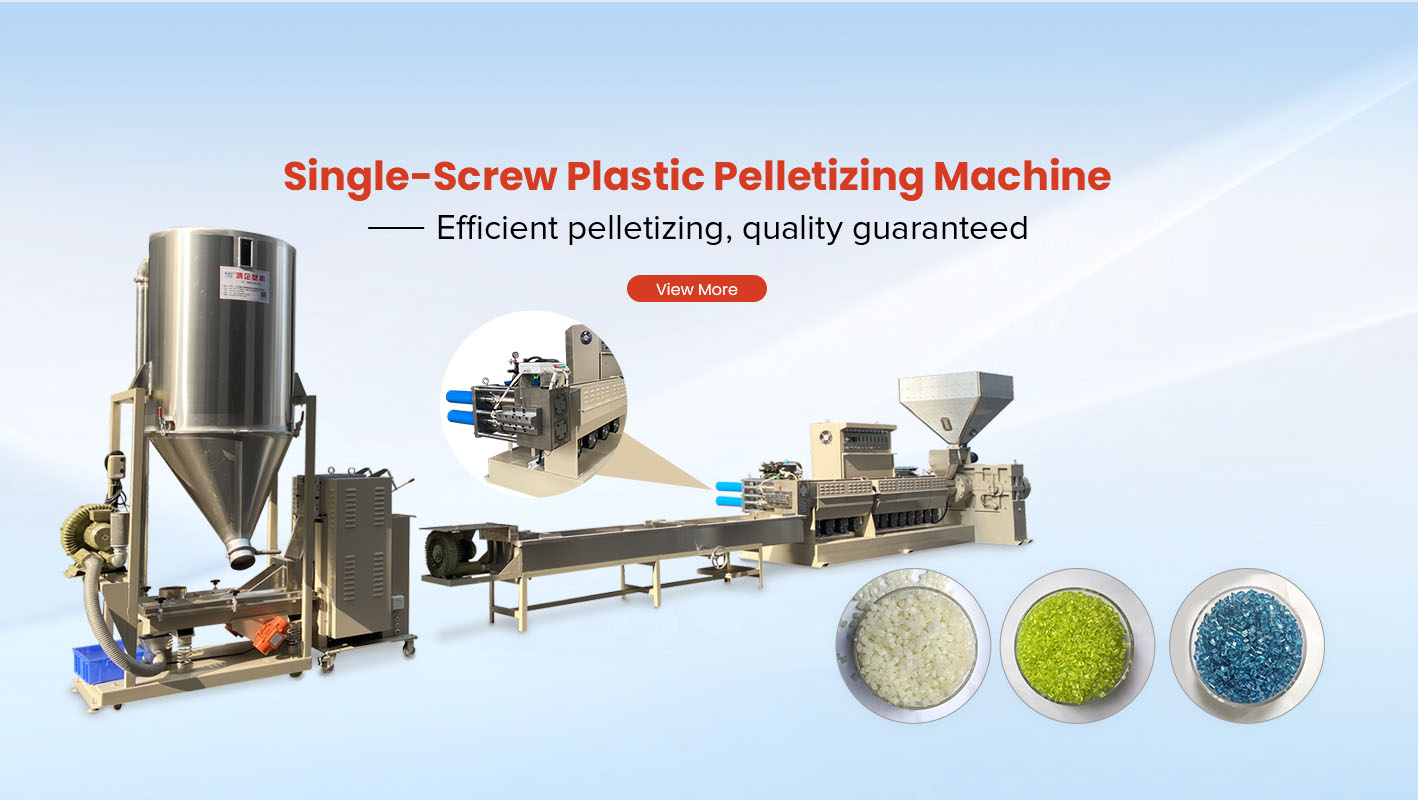
Our PET granulator machine can be reviewed by buyers who need to improve PET pelletizing stability, reduce unnecessary shutdowns, and support more predictable recycled pellet production.
Output Problems Are Often Linked To Cooling And Cutting
Poor Cooling Creates Irregular Pellets
Even when extrusion is stable, pellet quality can still fail if cooling is not controlled properly. Uneven cooling may cause pellets to stick, deform, or carry excess moisture.
This affects storage, packing, and downstream use. Plants may need to slow down production or reprocess material, which reduces daily output.
Cutting Stability Protects Final Pellet Value
Cutter wear, unstable speed, or poor alignment can create pellets with uneven length and shape. Buyers of recycled pellets often pay attention to appearance and processing consistency.
When pellet shape is unstable, the recycling plant may face price pressure from customers. Good cutting stability helps protect both output and sales value.
Maintenance Access Affects Long-Term Capacity
Hard-To-Clean Areas Increase Downtime
Recycling material can create residue inside the system. If the machine is difficult to clean, maintenance time becomes longer after each blockage or material change.
Plants handling different plastic streams need equipment that supports easier inspection and cleaning. Shorter maintenance time directly supports higher monthly output.
Spare Parts Planning Reduces Emergency Stops
A recycling plant cannot wait too long for basic replacement parts. Screen changers, blades, heating components, bearings, and control parts all affect production continuity.
Before purchasing equipment, buyers should discuss spare parts availability and maintenance guidance. This reduces the risk of long downtime after a minor fault.
Why Rated Capacity Is Not Enough For Procurement
Real Output Depends On Working Hours
A machine rated at a certain hourly capacity may not deliver that result across a full shift. Buyers should ask how the system performs after several hours of continuous operation.
Stable output over time is more important than a high number in a quotation. A lower-maintenance machine with smoother production may generate better monthly profit than equipment that only performs well during demonstration.
Energy And Labor Should Be Counted Together
Low-output equipment often consumes more hidden resources. Operators spend more time adjusting the line, power is wasted during unstable production, and raw material may need reprocessing.
A better purchasing decision should compare the cost per ton of usable pellets, not only the machine price.
Keep Orders Moving With More Predictable Pellet Production
Start With The Material You Actually Process
Different recycling plants face different material problems. PET flakes, bottle waste, washed film, and crushed rigid plastic all require different feeding, heating, extrusion, cooling, and cutting control.
Before choosing equipment, buyers should share material type, moisture condition, expected pellet size, target hourly output, and daily operating schedule. This helps our engineering team recommend a more practical solution instead of relying on general machine selection.
Turn Production Stability Into Delivery Strength
When a recycling plant can maintain stable pellet output, it becomes easier to accept larger orders, plan delivery dates, and protect profit margins.
Our team can support plastic recycling plants with equipment selection, production discussion, and practical machine configuration for long-term pelletizing operation. To review more recycling equipment and factory information, you can visit our website at https://www.gdhongqijixie.com/.