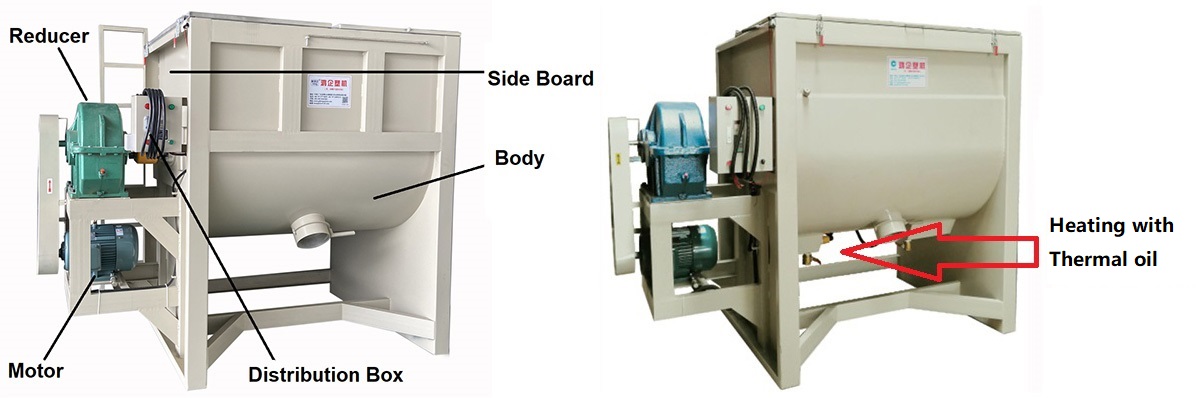
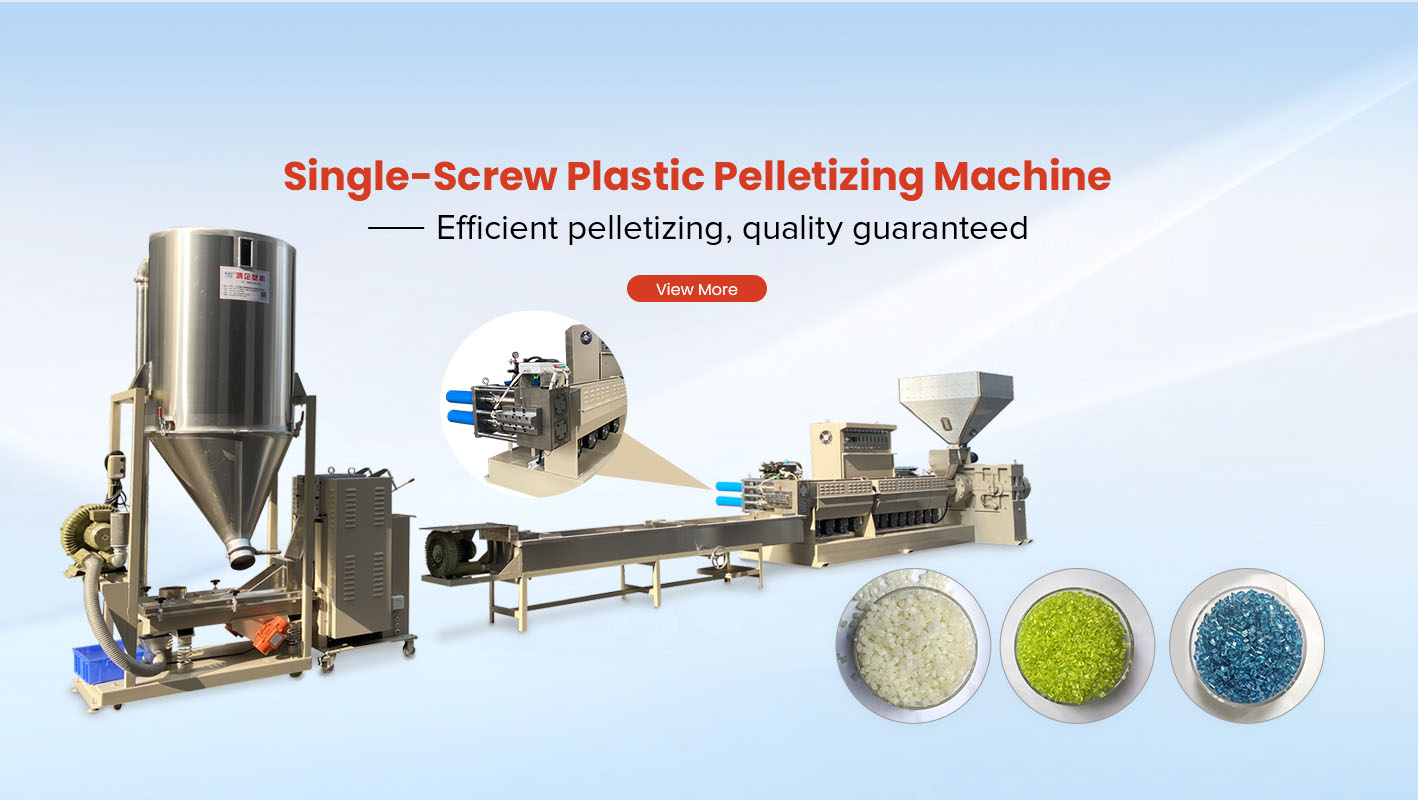
In modern plastic processing factories, distributors and bulk buyers rely on plastic mixer machines to ensure consistent product quality. While operators may carefully follow temperature, speed, and cycle time parameters for mixing, color variations in pellets, sheets, or molded items still frequently appear. This is a significant concern for clients producing color-sensitive products, private label items, or consumer-grade plastics intended for export.
Even if a batch meets the nominal parameters, variations can occur due to subtle differences in raw materials, pigment dispersion, and residual material from previous batches. A single overlooked factor can result in uneven coloration, affecting aesthetics and functional properties. For distributors and OEM buyers, these color discrepancies can trigger customer complaints, reprocessing, or even batch rejection.
Why Color Variations Occur Despite Correct Parameters
Color inconsistencies can stem from several causes, even when mixer settings are correct:
Raw Material Differences: Pigments, masterbatches, or resins from different suppliers or production lots may vary slightly, influencing final color.
Residual Material in the Mixer: Any remaining color traces from previous runs can create streaks or uneven tones in new batches.
Temperature Fluctuations: Even minor deviations in mixer temperature profiles can affect pigment dispersion and bonding.
Cycle Time and Mixing Speed Variations: Operator adjustments or inconsistent automated cycles may cause uneven blending of pigments.
Material Moisture Content: Slight differences in moisture levels can alter pigment absorption, producing subtle but noticeable color shifts.
For B2B buyers, these factors create real risk, especially in large-scale production where even a 2–3% color deviation across hundreds of kilograms can impact downstream processing and final product acceptance.
Real-World Impacts on Bulk Buyers
In practical terms, inconsistent color distribution can have several consequences:
Reprocessing Costs: A batch that fails color quality checks often requires remixing or partial disposal, increasing labor and energy costs.
Delivery Delays: If color mismatch is detected late, the entire production schedule can be delayed, affecting downstream extrusion or molding lines.
Customer Complaints: Retailers or OEM clients receiving mismatched color items may refuse shipment, request compensation, or demand replacements.
Brand Reputation Risks: For private label or premium product lines, color inconsistency diminishes perceived quality and may lead to negative reviews or reduced repeat orders.
These risks illustrate why careful pre-production monitoring and batch testing are essential for industrial buyers.
How Buyers and Distributors Can Reduce Risks
To mitigate these risks, buyers can take several proactive measures:
Sample Testing Across Multiple Batches: Evaluate several production runs to ensure consistent color blending.
Raw Material Standardization: Source pigments, masterbatches, and base resins from trusted suppliers and maintain consistent lot tracking.
Mixer Cleaning Protocols: Ensure thorough cleaning between batches to eliminate cross-color contamination.
Process Monitoring: Regularly check temperature, mixing speed, and cycle times to detect deviations early.
Reference Samples: Maintain approved color standards for comparison against production batches, especially for export or private label items.
Properly implemented, these strategies prevent minor variations from escalating into costly quality issues.
Cost and Project Implications
Color inconsistencies have tangible financial impacts:
Operational Cost Increase: Additional labor, electricity, and machine wear from reprocessing or remixing.
Material Waste: Discarded or reworked batches increase material consumption and reduce profitability.
Delivery Penalties: Late shipment may incur contractual penalties for bulk or project buyers.
After-Sales Management: Handling complaints or returns consumes human resources and time.
For industrial clients and project suppliers, these costs are compounded across multiple production lines and bulk orders, making early quality control essential.
Request Bulk Order Consultation
We provide plastic mixer machines suitable for distributors, OEMs, and private label buyers. To receive a quotation or consultation, you can provide:
Target production volume and batch size
Raw material and pigment types
Desired mixing parameters and color standards
Destination market and environmental conditions
Our team will review specifications, suggest sample testing, and prepare a quotation to ensure consistent color quality and minimize customer complaints. Visit HONGQI to submit your inquiry and receive tailored guidance on bulk plastic mixer machine procurement.